AI Furniture Visualizer – See Any Furniture in Your Room Before You Buy
Test real pieces at room scale so you catch bulky sofas, tiny rugs, and blocked walkways before checkout.
Free to try. Sign in only to save your design.
Try the studio
Build your furniture preview here.
Upload a room, choose a style, then sign in only when you are ready to generate and save it.
1. Start with your room
Upload a photo or choose a sample to get started.
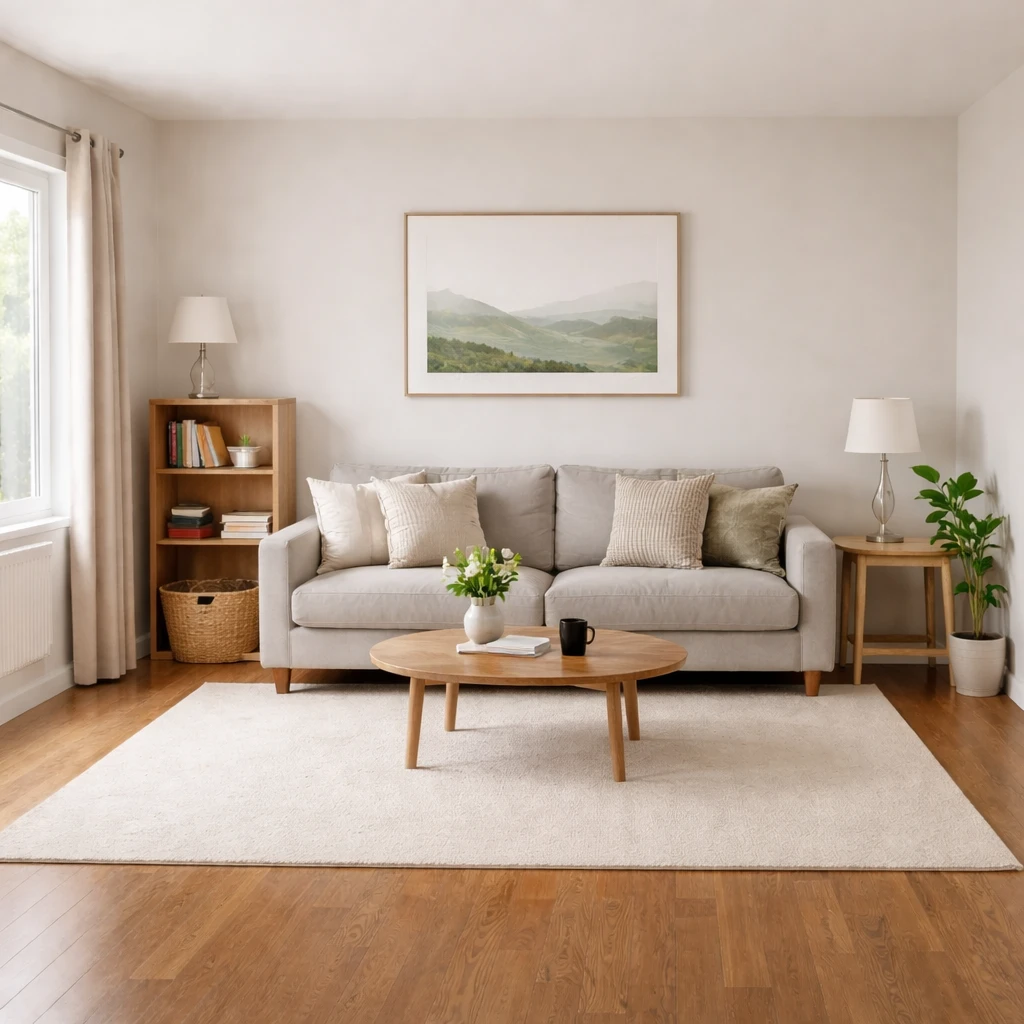
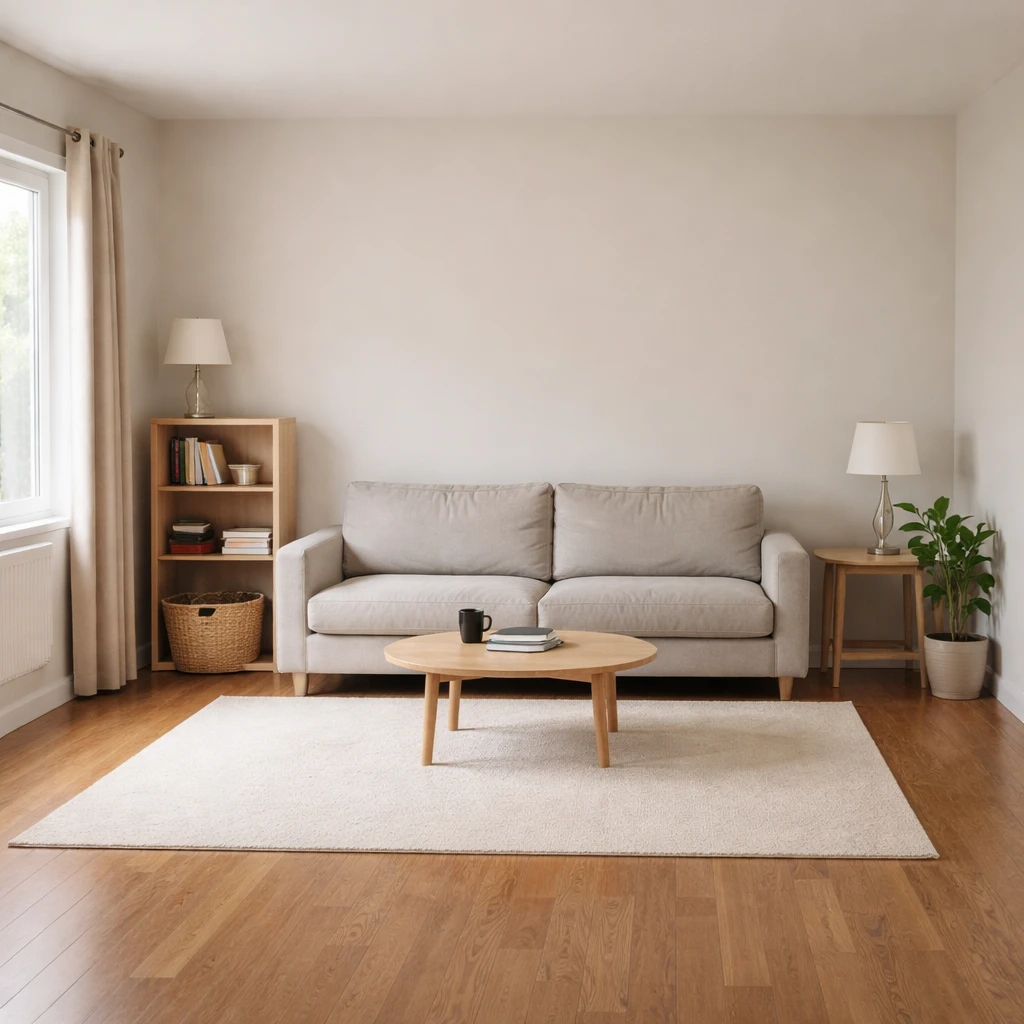
Examples
Real rooms, before and after
Tap or hover to see each transformation.
A furniture visualizer helps you stop buying from showroom photos instead of room reality. The sofa looked generous online, then arrived and swallowed the wall. The rug looked large enough, then landed in the room like a bath mat. The mistake is usually not style. It is scale.
If you are trying to work out how to see furniture in your room before buying it, the useful test is simple: check size, clearance, and visual weight against your actual walls, windows, and walkways. The real question is not whether a piece is beautiful. It is whether it belongs in this room.
This matters most in the living room, where the big-ticket pieces live. A living room furniture visualizer earns its keep on sofas, couches, rugs, accent chairs, and coffee tables — the categories where a few inches can ruin a layout, close a walkway, or make every other piece feel badly judged. Testing a sofa or sectional specifically? The dedicated couch visualizer runs the same test: fit and circulation before checkout.
Visualization is valuable because it eliminates the obviously wrong options early. When you visualize furniture in room conditions you actually live with — your light, your walls, your walkways — the wrong depth, the wrong rug size, and the wrong visual weight all show up before the delivery truck does. It will not replace real measurements or delivery checks, but it will stop you from paying to learn the hard way that the room cannot absorb what you wanted to buy. If you searched for a furniture visualiser, the goal is exactly the same: preview the piece in your own room before checkout.
How it works
Snap your room, compare design directions, and use the best result as your shopping and styling brief for ai furniture visualizer – see any furniture in your room before you buy.
Capture the actual decision zone
Photograph the exact wall and seating zone where the piece would live. Include the full width of the wall, the nearest walkway, the rug edge if there is one, and any nearby doors or windows. The goal is not a pretty room photo. It is an honest record of the space the furniture must survive.
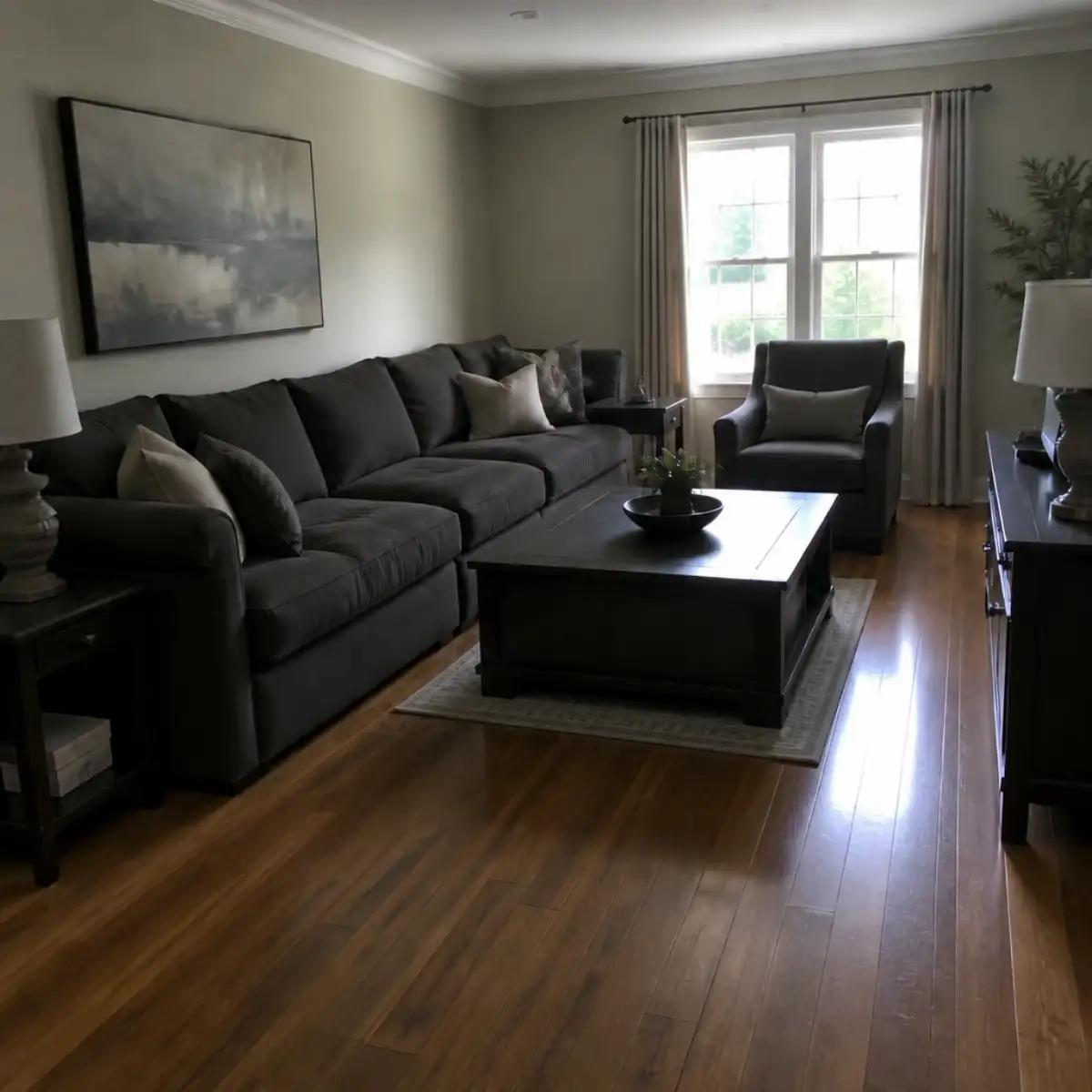
Lock the non-negotiables first
Write down the fail conditions before you compare any product: minimum walkway width, maximum sofa depth, minimum rug size, required seat count, and the budget ceiling. This keeps you from falling in love with a product page that was never going to work in the room.
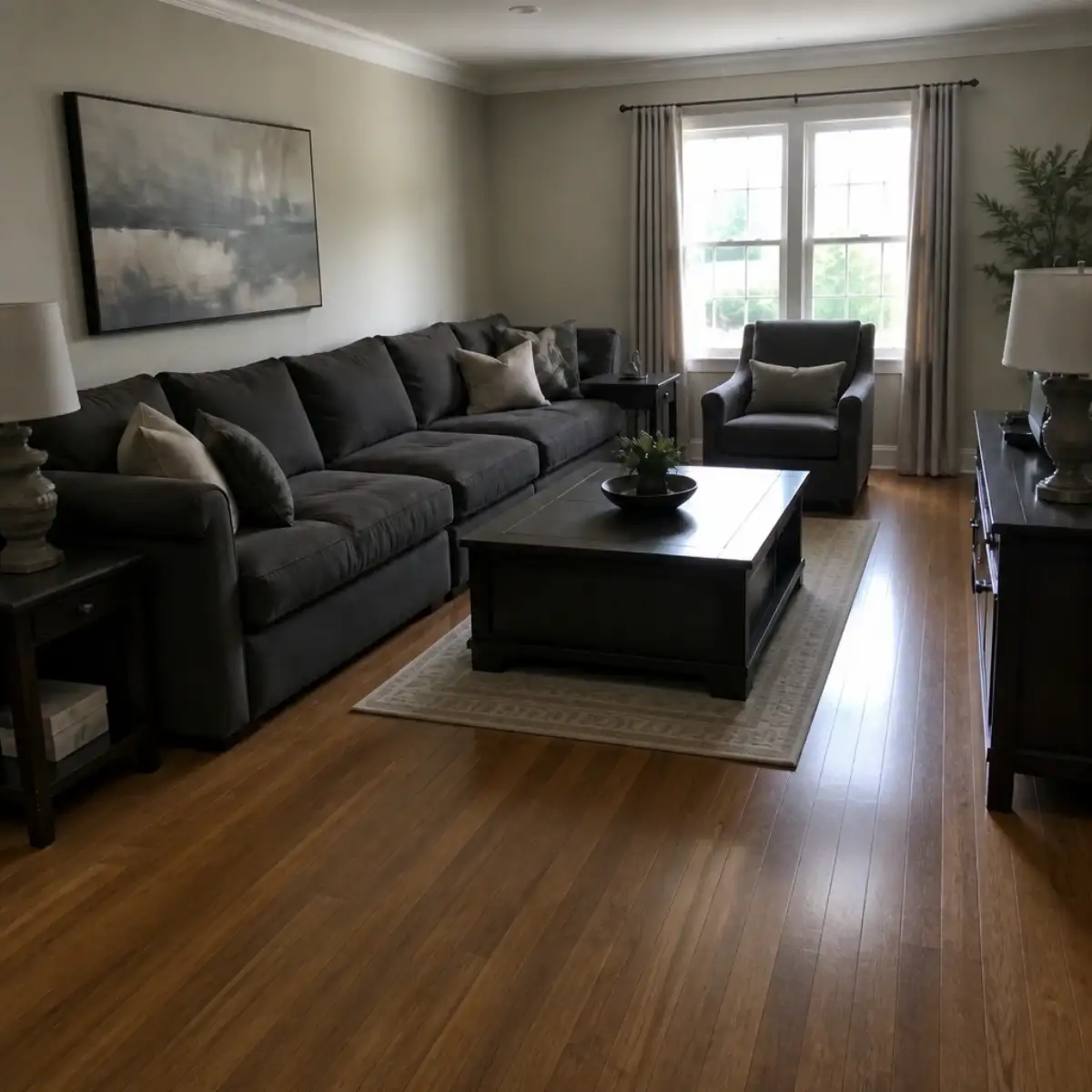
Compare bold, safe, and right-sized options
Test at least three realistic directions: one piece that is visually bold, one that plays safer and lighter, and one that feels most correctly proportioned to the room. Seeing those options in the same room reveals whether the dramatic choice is genuinely worth the lost floor space.
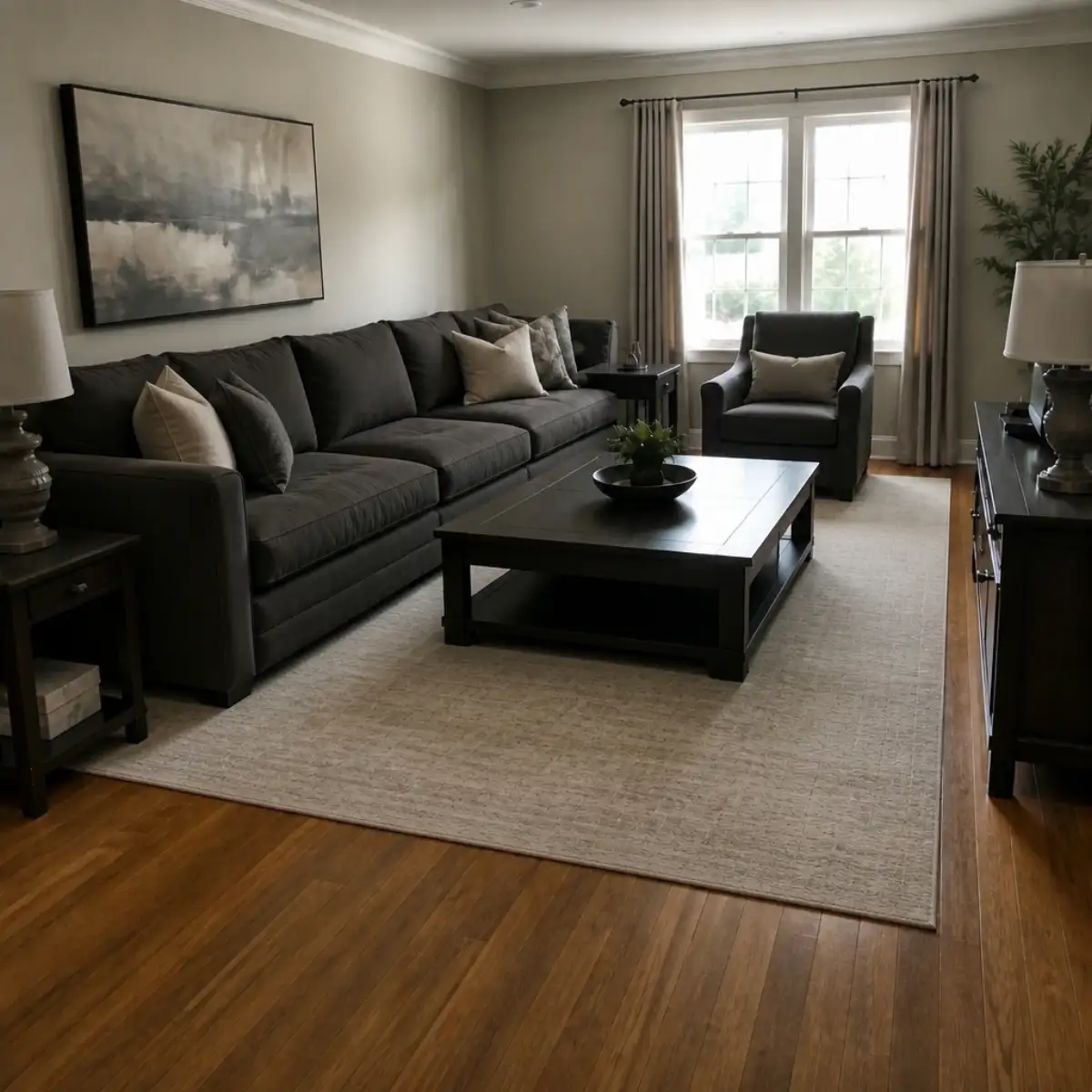
Swap products without losing the layout win
Once one direction clearly works, compare lower-cost, mid-tier, and premium versions inside that same room setup. This is where you discover whether you need the exact 96-inch sofa you liked, or whether an 88-inch version gives you the same look with a far better walkway.
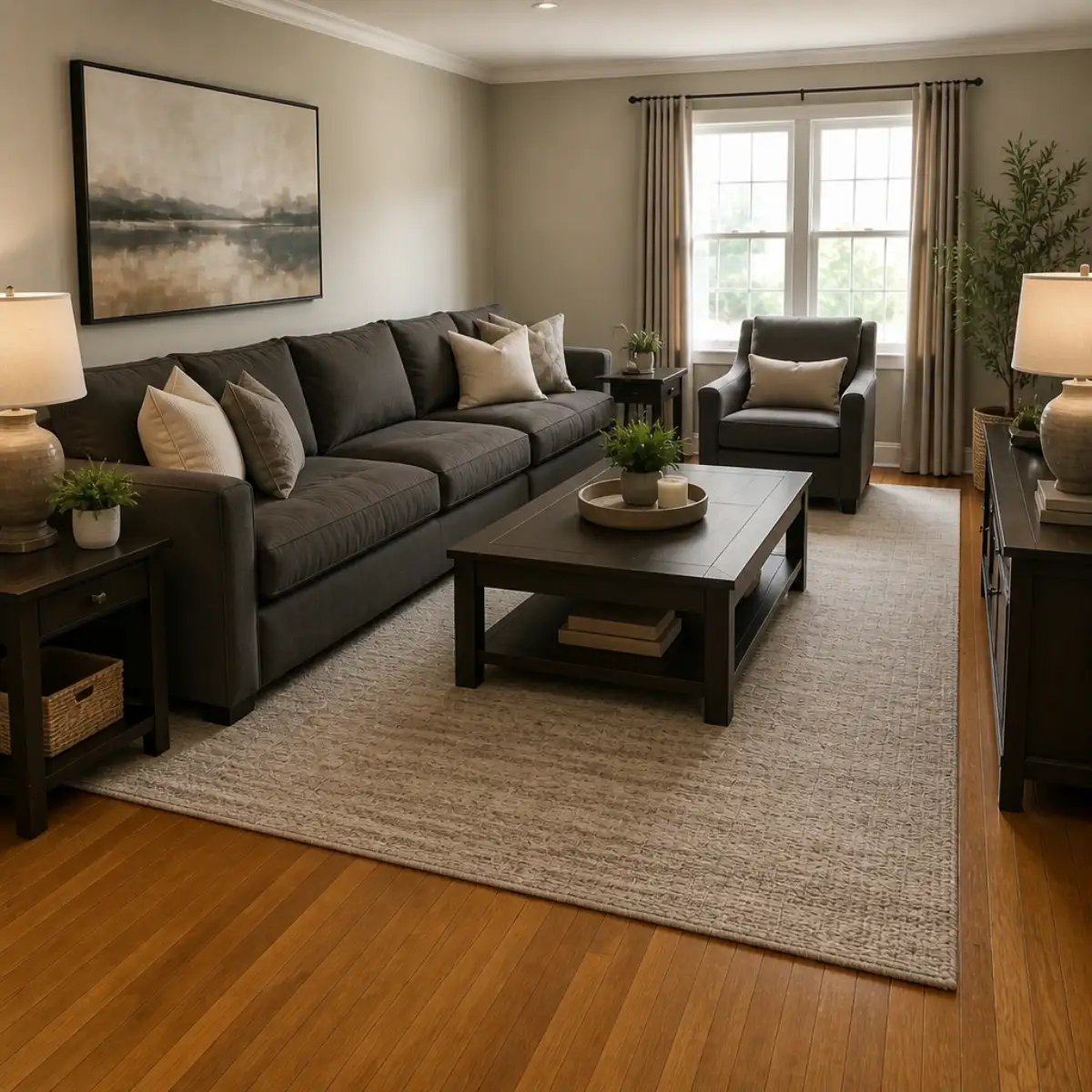
Choose the version you can actually live with
Before purchase, do one last reality check: verify delivery access, tape out the footprint on the floor, and confirm that chairs, doors, and bodies still move comfortably around the piece. The winning option is not the one that photographs best. It is the one that still feels right once the room has to function every day.
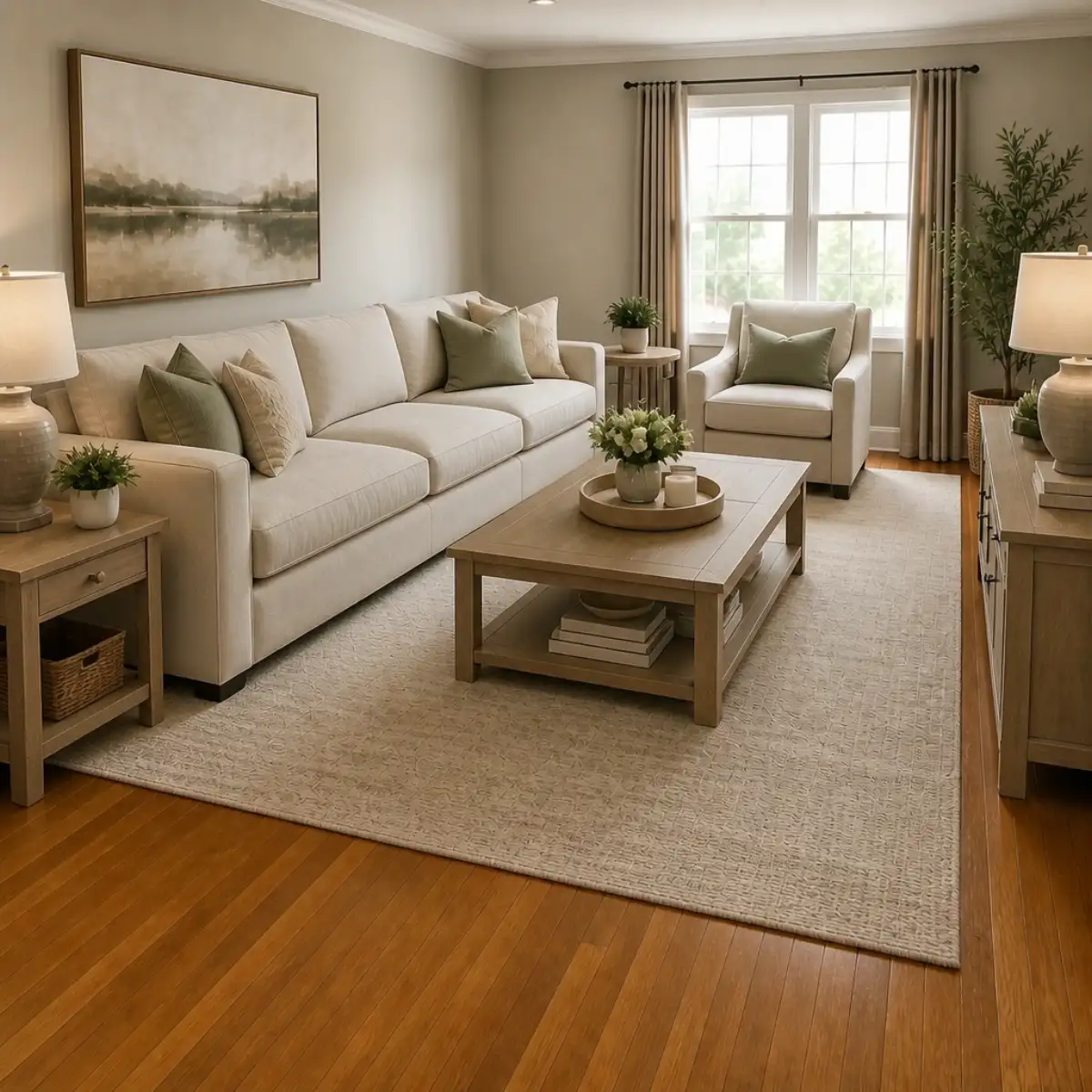
Do this first
- 1Use one wide room photo with doors, windows, and the major furniture zone visible.
- 2Decide what you are testing first: layout, style direction, or product fit.
- 3Generate at least two or three directions before choosing a winner.
- 4Use the strongest result as the brief for your next purchase decisions.
Before you buy
- !Check measurements before buying large items, even if the concept looks right.
- !Compare at least one lower-cost and one higher-cost alternative before checkout.
- !Review delivery windows and return terms for larger pieces.
- !Save the chosen direction so future purchases stay visually consistent.
Best for
- Sofa, rug, accent chair, and decor comparisons
- People trying to avoid expensive returns
- Choosing between budget, mid-tier, and premium alternatives
Know before you start
- iNot a guarantee of exact dimensional fit
- iNot a substitute for checking delivery access
- iNot for structural renovation planning
Compare Real Alternatives Before Checkout
Use the chosen direction to compare price tiers, materials, and retailer terms without losing room context.
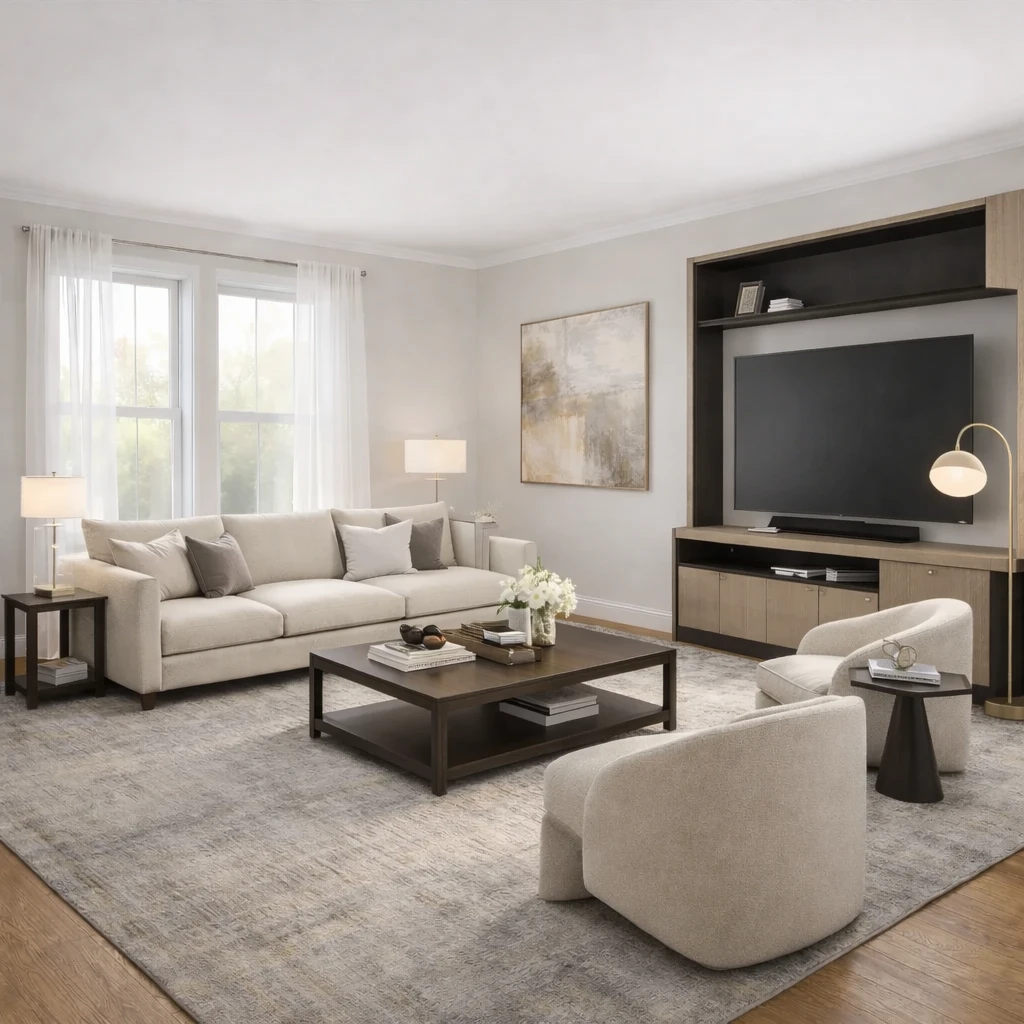
Stage 1
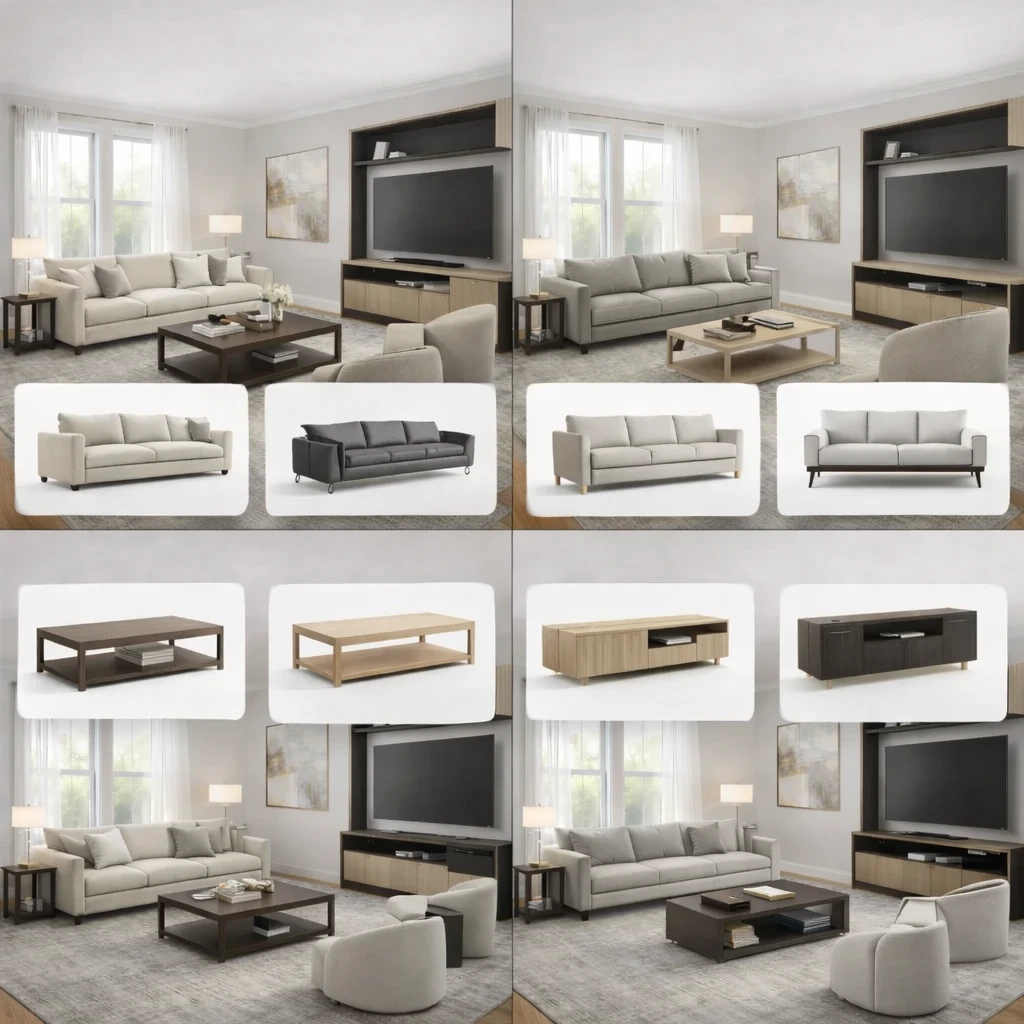
Product matching from your room context
Recommendations are generated from the actual room concept—not generic mood boards. Each product suggestion is sized and positioned to work with your specific room proportions, lighting conditions, and existing architectural features.
Stage 2
Compare alternatives by style, price, and availability
Review multiple matched options across different retailers (Amazon, IKEA, eBay, and regional stores) and choose the price-quality tradeoff that fits your budget. Compare delivery times, return policies, and customer reviews alongside visual fit.
Stage 3
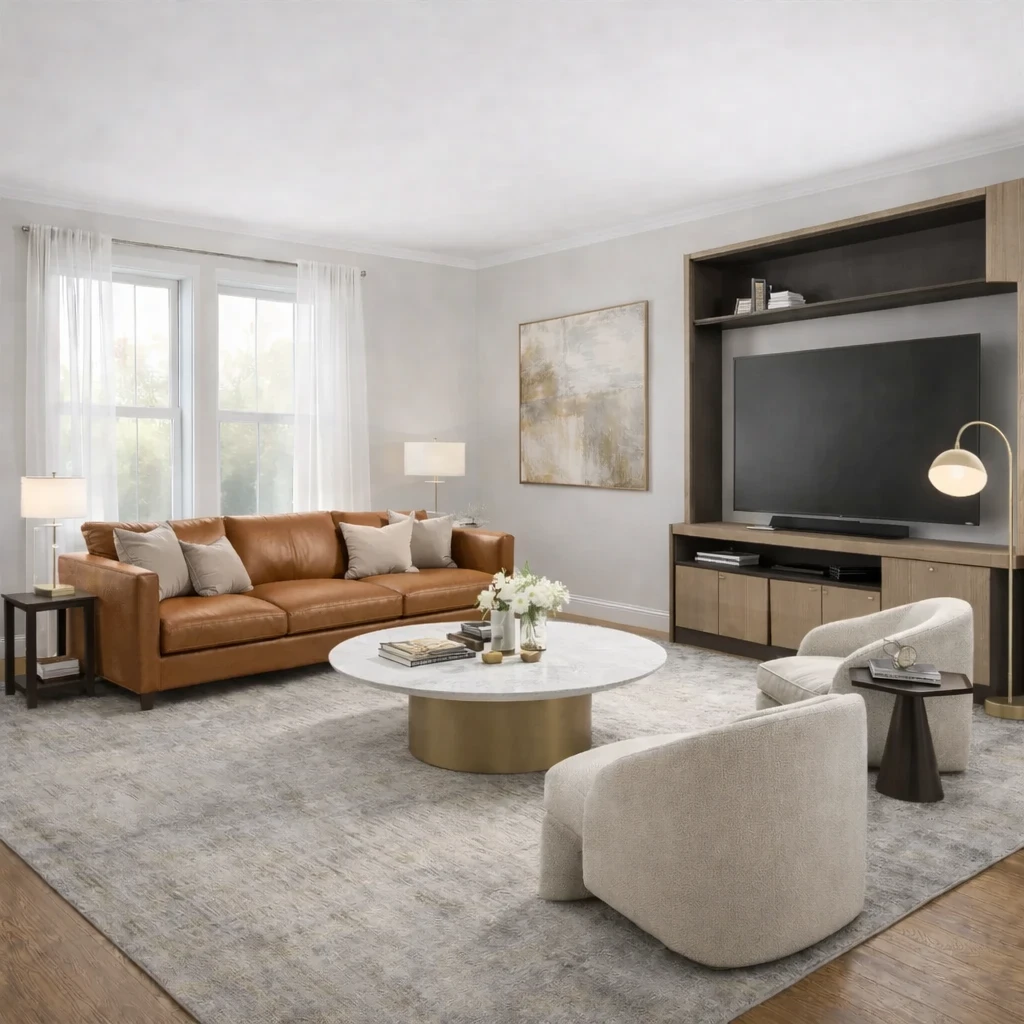
Apply swaps before purchase
Preview replacements directly in the visual concept—no need to order, return, and reorder to find what works. Test whether a less expensive alternative achieves similar visual impact before committing your budget.
Product Comparison FAQs
Quick answers to the practical questions people ask before uploading a room photo or buying products from a concept.
What Innie can do for ai furniture visualizer – see any furniture in your room before you buy
More AI design tools
Browse all guidesAI Room Planner From Photo
Compare layout directions against your actual room before moving furniture or committing to purchases.
Bedroom Visualizer – Preview Designs in Your Room
Test bed placement, storage, and lighting in your actual bedroom before you move a single piece.
Dorm Room Visualizer – Preview Your Dorm Makeover
Test layouts, storage, and no-drill upgrades in your actual dorm before move-in day.
Home Office Visualizer – Preview Your Workspace
Test desk placement, glare, and storage in your actual room before you buy the wrong desk.
Living Room Visualizer – Preview Layouts in Your Room
Test layouts, sofas, and rugs in your actual living room so the next purchase lands right the first time.
AI Furniture Placement From Your Room Photo
Upload your room photo to compare furniture directions that improve flow, balance, and function before you move or buy anything.
Try AI Furniture Visualizer – See Any Furniture in Your Room Before You Buy on your own room
Use an AI furniture visualizer to test scale, clearance, rug size, couch fit, and visual weight in your actual room before you buy.
Free to start. No credit card required.
See the full Innie flow in one clean walkthrough.
Watch the real Innie workflow from upload to redesign to shoppable picks.

Innie
YouTube walkthrough