Preview Your Remodel Before You Start
Use visual planning to test renovation scope, layout change, and finish direction before construction begins.
Upload a photo to test renovation ideas
Try the studio
Build your furniture preview here.
Upload a room, choose a style, then sign in only when you are ready to generate and save it.
1. Start with your room
Upload a photo or choose a sample to get started.
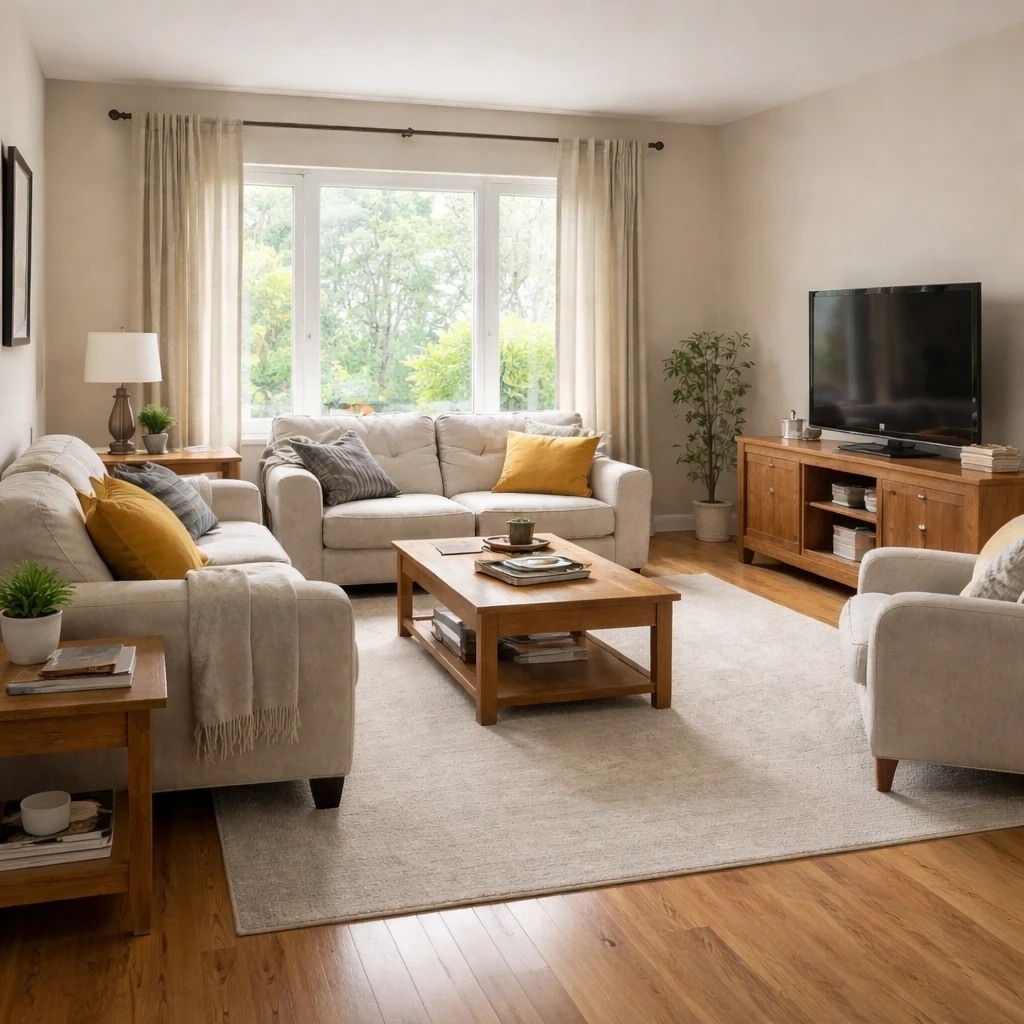
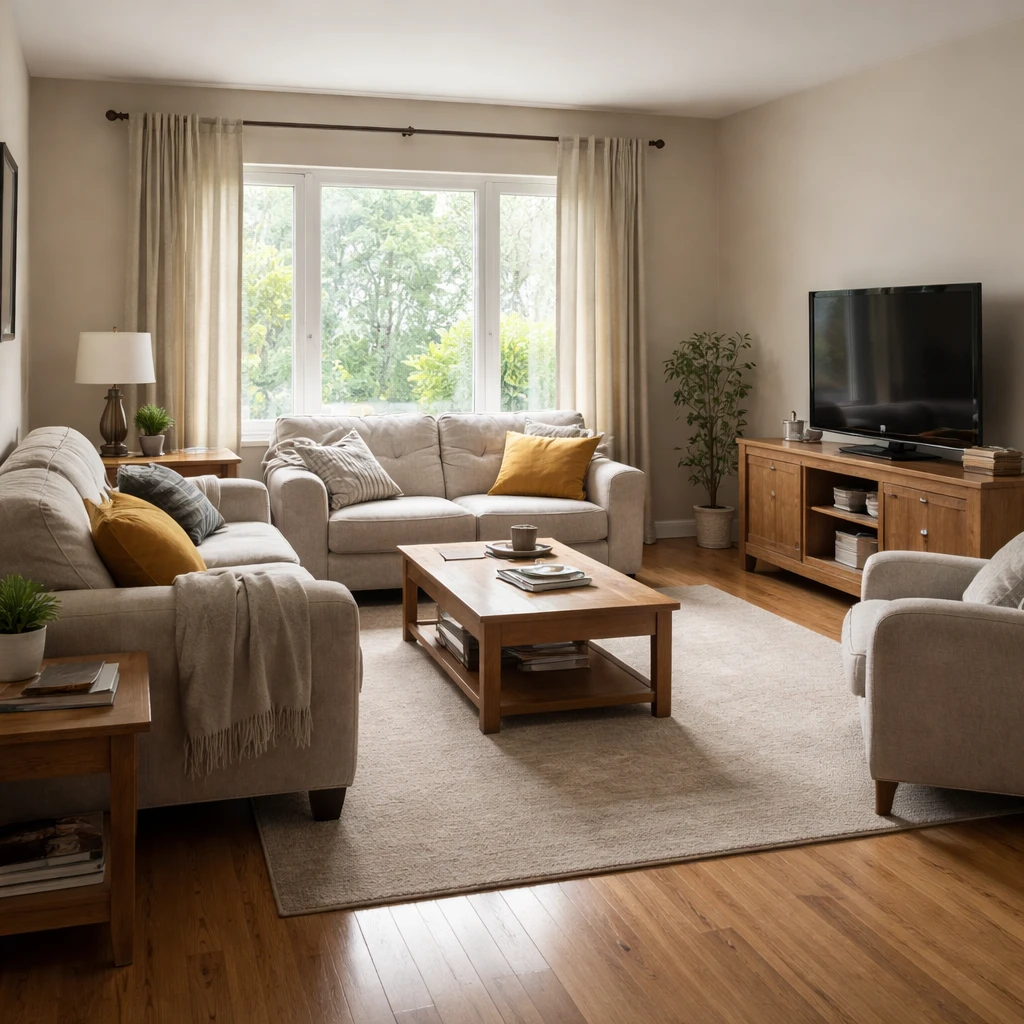
Examples
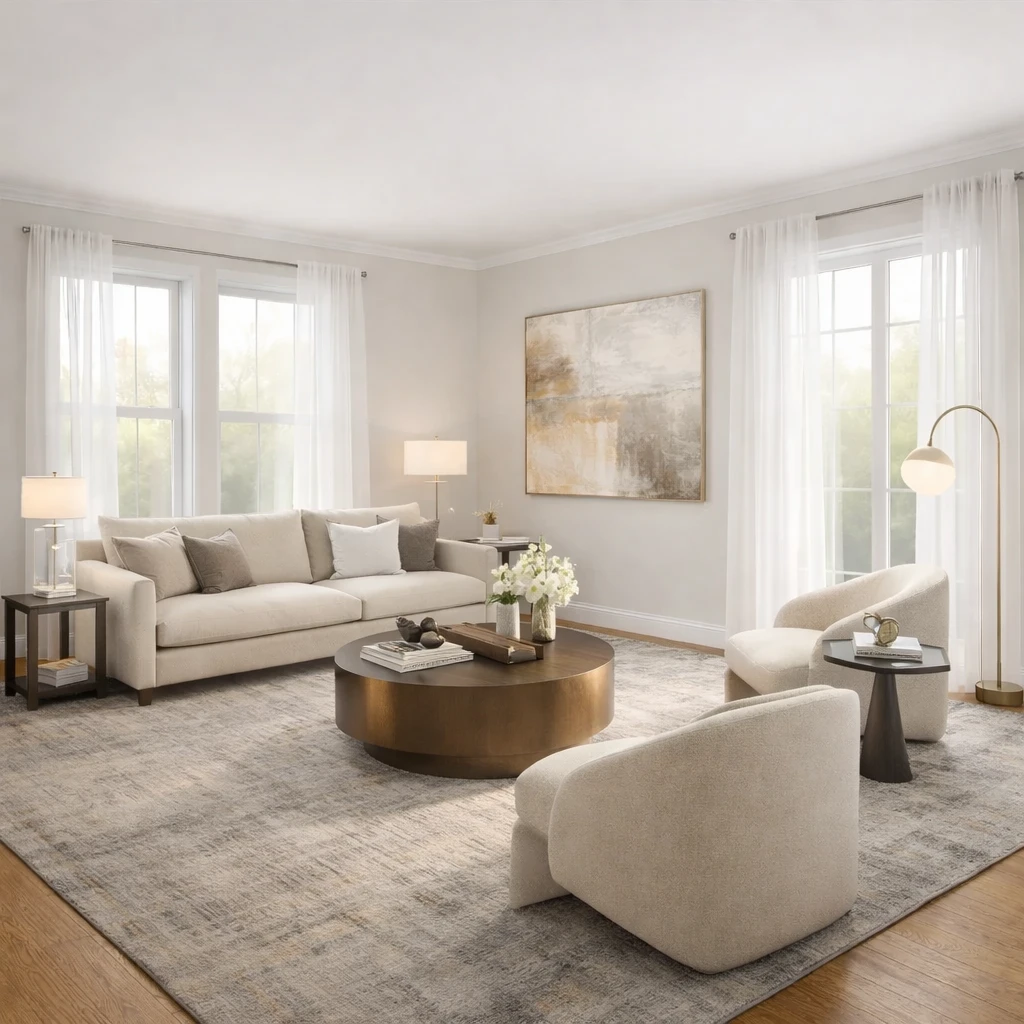
Real rooms, before and after
Tap or hover to see each transformation.
Renovation regret follows a predictable pattern. Homeowners focus on aesthetics during planning and discover functional problems during construction. The new kitchen island blocks the dishwasher door. The bathroom vanity drawers hit the toilet paper holder. The open shelving looks beautiful and requires dusting weekly. These are not design failures; they are planning failures caused by imagining the finished space rather than modeling the lived space.
Good renovation planning begins by separating scope levels clearly. A cosmetic refresh may be mostly paint, hardware, lighting, and surface updates. A mid-tier renovation typically adds fixture replacement and selected cabinetry or flooring work. A full renovation changes layout, systems, and major built elements. Most rooms do not need all three. Problems arise when owners pay full-renovation disruption to solve mid-tier or cosmetic issues.
Compatibility matters as much as taste. Vanities must fit plumbing rough-ins. Countertops must match cabinet depth and support spans. Lighting must respect junction box locations and switching logic. Appliances, trim profiles, tile thickness, and door swings all interact physically whether the drawings acknowledge them or not. Renovation succeeds when each visible finish is backed by invisible coordination.
The most valuable planning question is not "what looks better?" but "what problem is this construction work solving?" If a wall move creates no meaningful storage, circulation, or workflow gain, it may not justify the cost. If new finishes still leave poor lighting or bad clearances untouched, they are cosmetic relief rather than design resolution. Renovation should buy better function first and better appearance second.
Permit requirements represent a nonnegotiable regulatory layer in renovation planning. Structural modifications, electrical panel upgrades, plumbing rerouting, and window replacements typically require permits reviewed by local building departments, with fees ranging from $150 to $2,000 depending on project scope. Unpermitted work can trigger stop-work orders, resale disclosure obligations, and insurance denial if the unpermitted modification contributes to a loss. Contractor licensing verification should be completed through state contractor boards before signing agreements: confirm that the license is active, bonded, and carries general liability and workers' compensation insurance. Request certificates of insurance directly from the carrier rather than accepting photocopies from the contractor to avoid forged documentation.
Financial and contractual controls protect homeowners from the majority of renovation disputes. Payment schedules should follow a milestone-based structure rather than large upfront sums: a 10 percent deposit to secure the schedule, followed by incremental draws tied to inspection milestones such as rough-in completion, drywall, and final punch list. Lien waivers must be collected from the general contractor and every subcontractor with each payment to prevent mechanics' liens against the property. Change orders should be documented in writing with explicit cost and timeline impacts before work proceeds, because undocumented verbal agreements are the leading source of budget overruns. Financing options include home equity loans, which offer fixed rates typically 1 to 3 percent above primary mortgages but provide a lump sum, and home equity lines of credit (HELOCs), which offer variable rates and flexible draws suited to phased projects. Remodeling Magazine's Cost vs. Value report documents renovation ROI by project: garage door replacement recoups approximately 93 percent of cost, manufactured stone veneer around 91 percent, and a midrange major kitchen remodel approximately 54 percent, underscoring the principle that curb appeal and envelope improvements generally outperform discretionary interior upgrades.
How it works
Snap your room, compare design directions, and use the best result as your shopping and styling brief for preview your remodel before you start.
Document the existing condition thoroughly
Measure the room, locate plumbing and electrical points, note ceiling heights, and identify structural limits before discussing finishes. Renovation begins with reality, not mood.
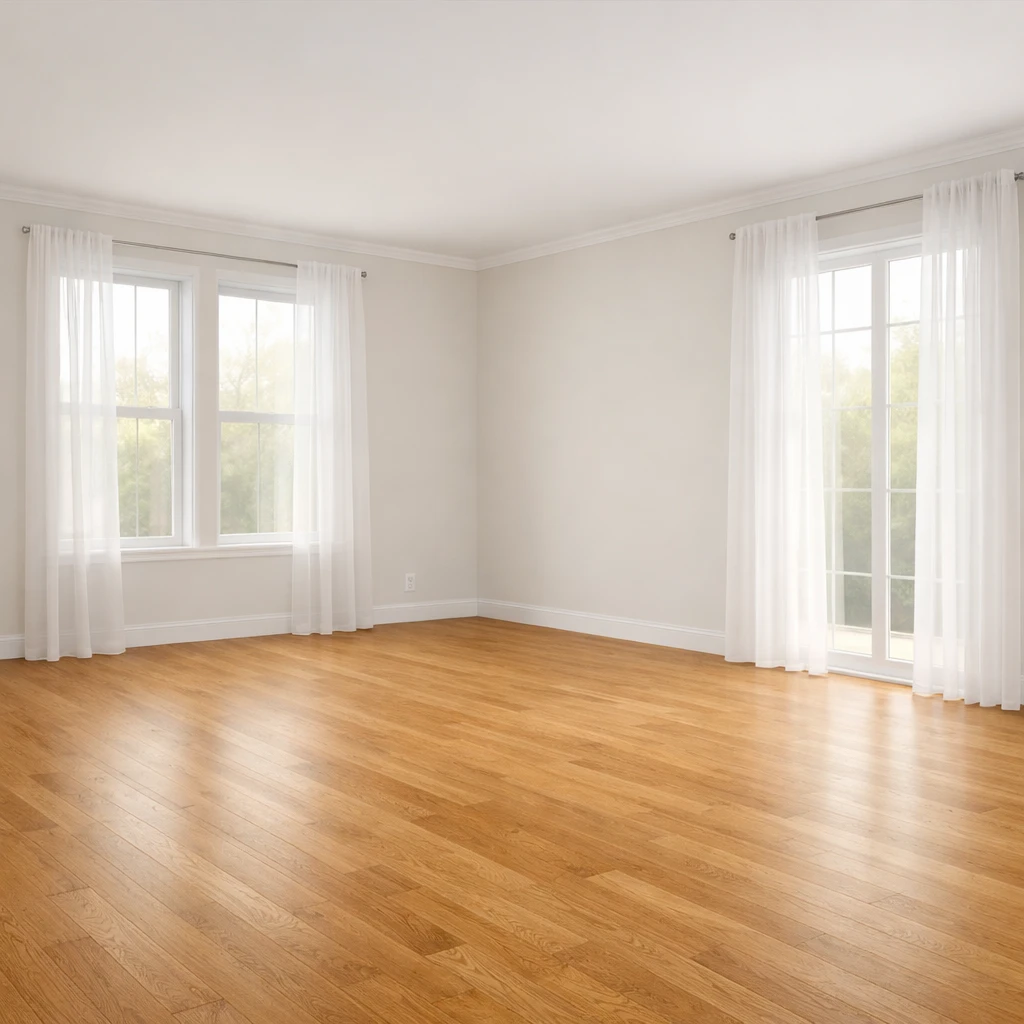
Define the project scope honestly
Separate cosmetic work from layout changes and from infrastructure work. Moving walls, drains, or major wiring pushes the project into a different cost and risk category.
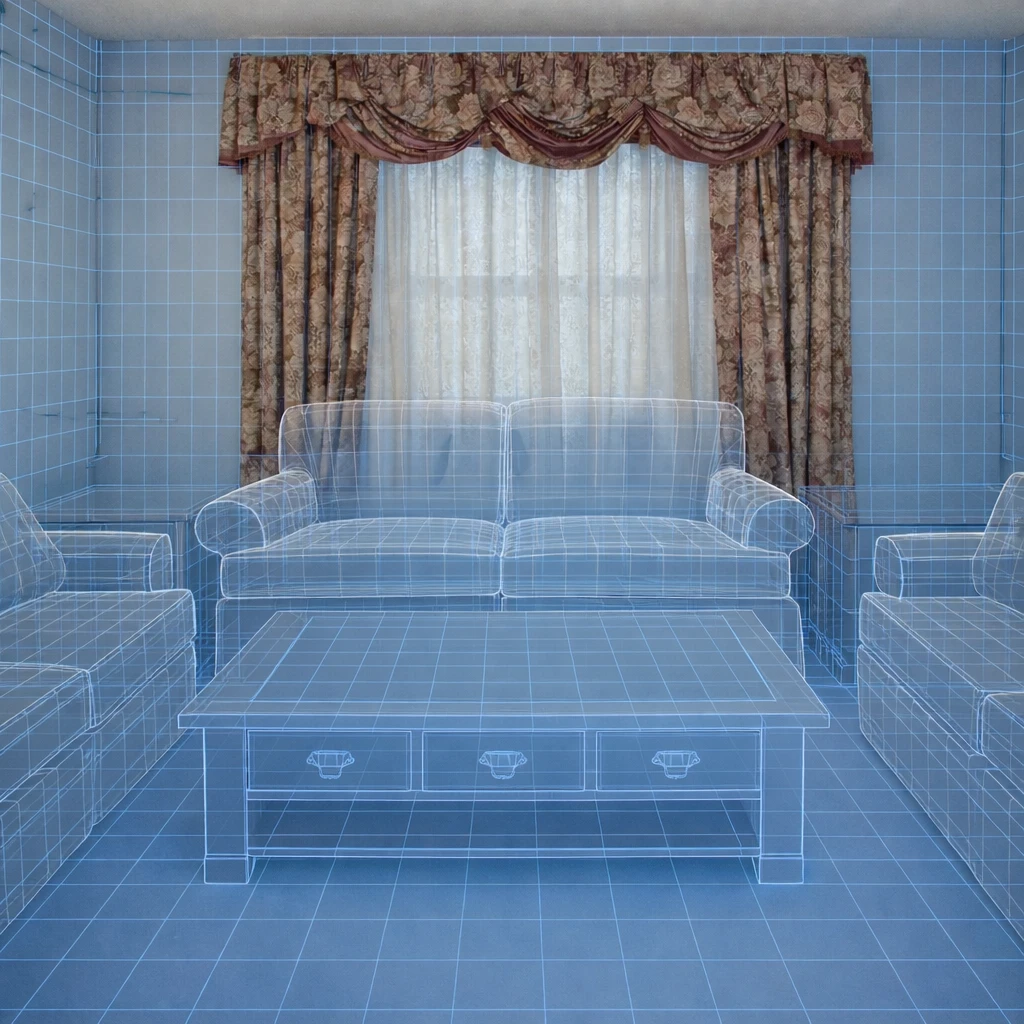
Set budget bands early
Compare what can be achieved with a surface refresh, a mid-scope update, and a full rebuild. This helps align expectations before design decisions become emotionally loaded.
Protect the expensive decisions first
Layout, waterproofing, structural work, and major mechanical choices matter more than hardware or paint. Resolve irreversible decisions before the decorative ones.
Track lead times and sequencing
Cabinetry, stone, specialty fixtures, and custom work can drive the calendar more than labor alone. A good renovation plan is also a logistics plan.
Use drawings and notes to prevent guesswork
Clear dimensions, elevation sketches, and scope notes produce better bids, fewer assumptions, and fewer costly changes once demolition starts.
Do this first
- 1Use one wide room photo with doors, windows, and the major furniture zone visible.
- 2Decide what you are testing first: layout, style direction, or product fit.
- 3Generate at least two or three directions before choosing a winner.
- 4Use the strongest result as the brief for your next purchase decisions.
Before you buy
- !Check measurements before buying large items, even if the concept looks right.
- !Compare at least one lower-cost and one higher-cost alternative before checkout.
- !Review delivery windows and return terms for larger pieces.
- !Save the chosen direction so future purchases stay visually consistent.
Best for
- Sofa, rug, accent chair, and decor comparisons
- People trying to avoid expensive returns
- Choosing between budget, mid-tier, and premium alternatives
Know before you start
- iNot a guarantee of exact dimensional fit
- iNot a substitute for checking delivery access
- iNot for structural renovation planning
Compare Real Alternatives Before Checkout
Use the chosen direction to compare price tiers, materials, and retailer terms without losing room context.
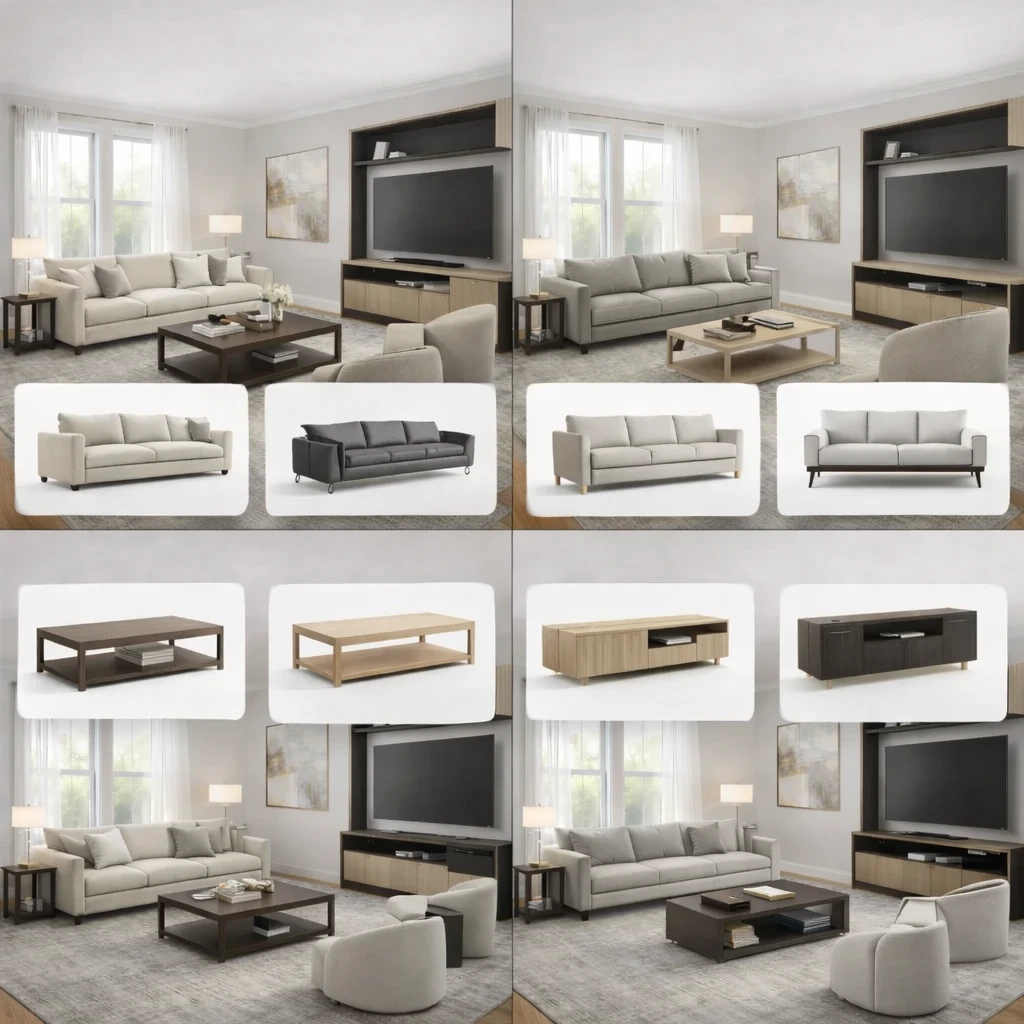
Stage 1
Product matching from your room context
Recommendations are generated from the actual room concept—not generic mood boards. Each product suggestion is sized and positioned to work with your specific room proportions, lighting conditions, and existing architectural features.
Stage 2
Compare alternatives by style, price, and availability
Review multiple matched options across different retailers (Amazon, IKEA, eBay, and regional stores) and choose the price-quality tradeoff that fits your budget. Compare delivery times, return policies, and customer reviews alongside visual fit.
Stage 3
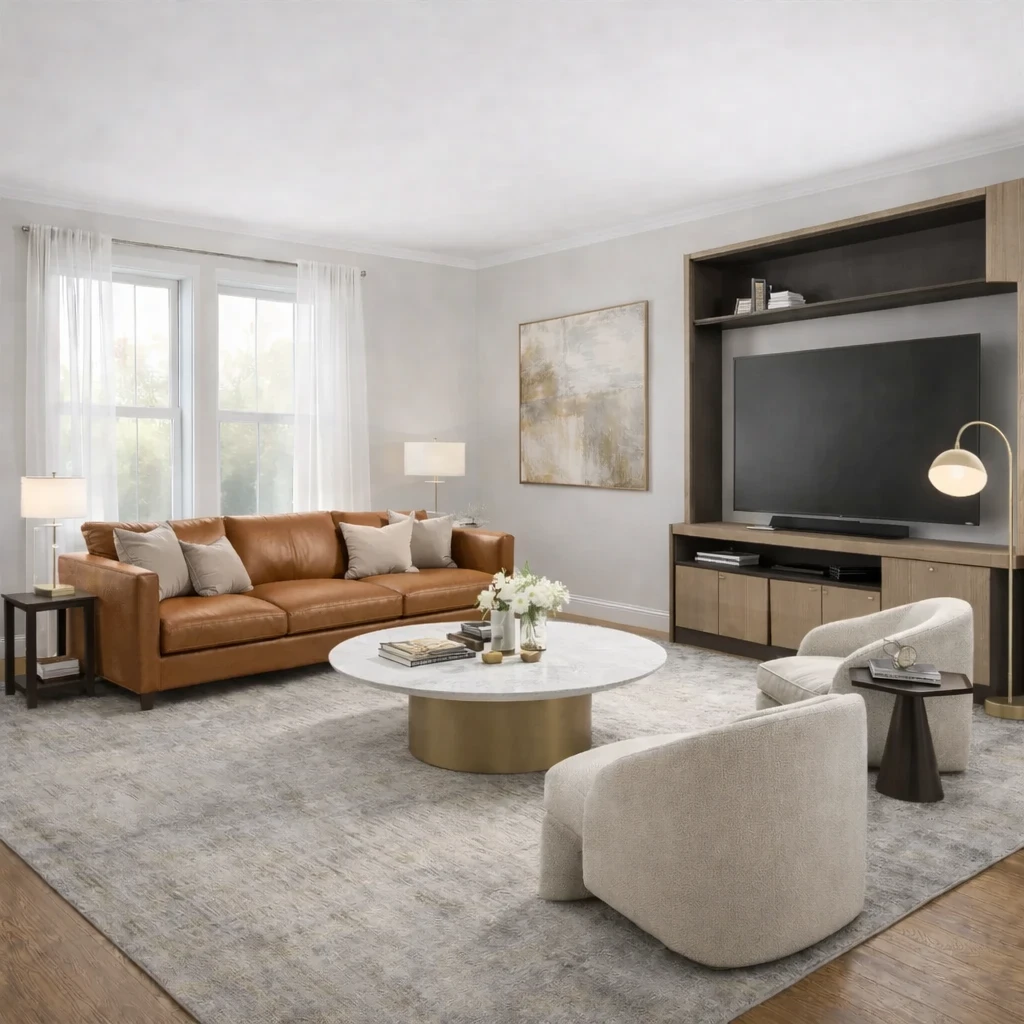
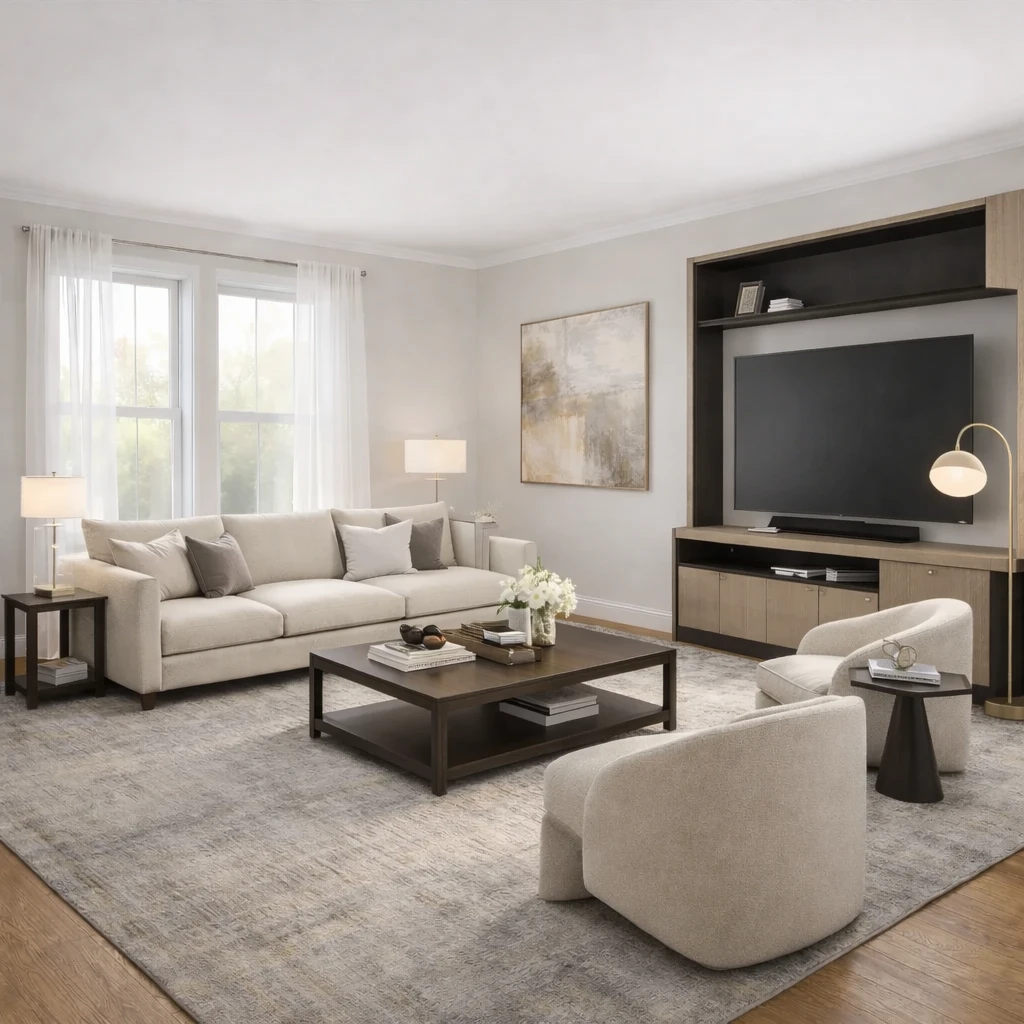
Apply swaps before purchase
Preview replacements directly in the visual concept—no need to order, return, and reorder to find what works. Test whether a less expensive alternative achieves similar visual impact before committing your budget.
Product Comparison FAQs
Quick answers to the practical questions people ask before uploading a room photo or buying products from a concept.
What Innie can do for preview your remodel before you start
More AI design tools
Browse all guidesAI Room Planner From Photo
Compare layout directions against your actual room before moving furniture or committing to purchases.
Bedroom Visualizer – Preview Designs in Your Room
Test bed placement, storage, and lighting in your actual bedroom before you move a single piece.
Dorm Room Visualizer – Preview Your Dorm Makeover
Test layouts, storage, and no-drill upgrades in your actual dorm before move-in day.
Home Office Visualizer – Preview Your Workspace
Test desk placement, glare, and storage in your actual room before you buy the wrong desk.
Living Room Visualizer – Preview Layouts in Your Room
Test layouts, sofas, and rugs in your actual living room so the next purchase lands right the first time.
AI Furniture Placement From Your Room Photo
Upload your room photo to compare furniture directions that improve flow, balance, and function before you move or buy anything.
More from this category
Try Preview Your Remodel Before You Start on your own room
A practical guide to remodel visualization for kitchens, bathrooms, and larger renovations, with emphasis on scope, sequencing, and decision-making.
Free to start. No credit card required.
See the full Innie flow in one clean walkthrough.
Watch the real Innie workflow from upload to redesign to shoppable picks.

Innie
YouTube walkthrough