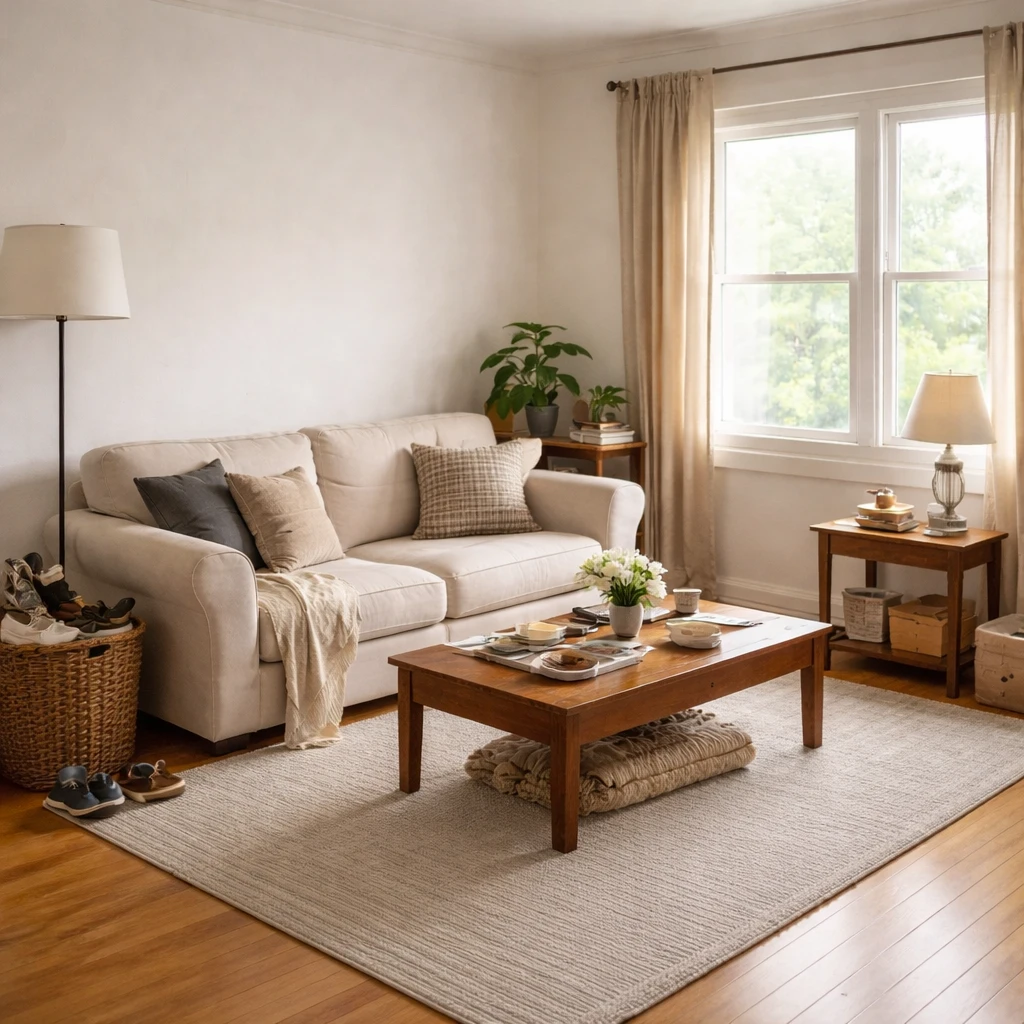
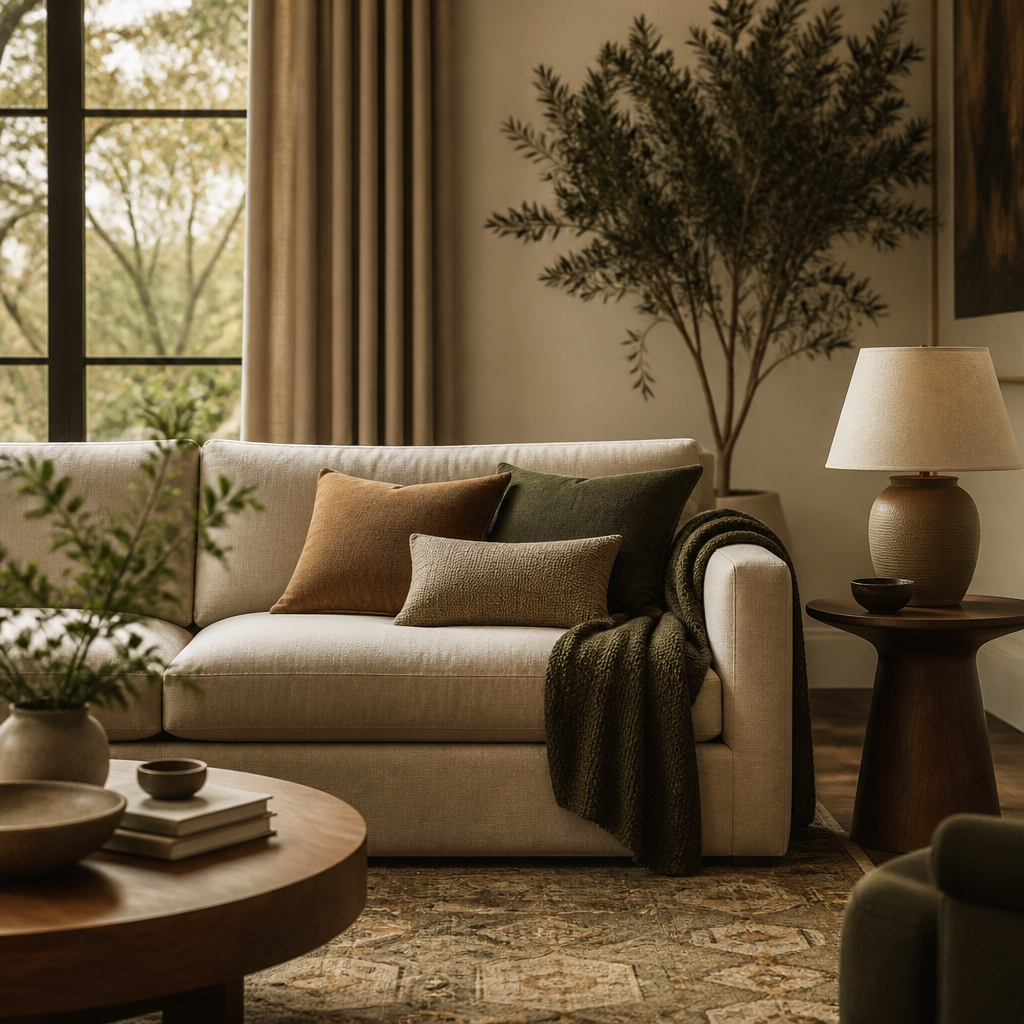
Shop the look rooms show complete, curated spaces where every visible item is available for purchase. This concept bridges inspiration and action—you see a room you love, then buy exactly what's in it. It's become a standard feature on retailer sites and design platforms.
The concept works because most people struggle to translate inspiration photos into coordinated purchases. A room that looks effortless in a magazine might require dozens of carefully chosen items. Shop the look makes this curated expertise accessible: the design work is done, you just select and purchase.
Quality varies significantly: some shop the look collections include everything (furniture, decor, even wall art), while others omit key items. Always check what's included before assuming a complete room. Also verify item availability—there's nothing more frustrating than loving a look only to find key pieces out of stock.
What matters most
Sourcing a complete room look is really an exercise in procurement order. The room may have a clear visual direction, but that direction will collapse if the largest and slowest pieces are chosen last. Anchor items, sofa, bed, dining table, rug, or primary light fixture, should come first because they establish the room's scale and quietly force many of the later decisions into place. Secondary furniture follows after those anchors are real, not imagined. Accessories and art come last because they are the easiest layer to adjust if a fabric, metal, or wood tone arrives slightly differently than expected.
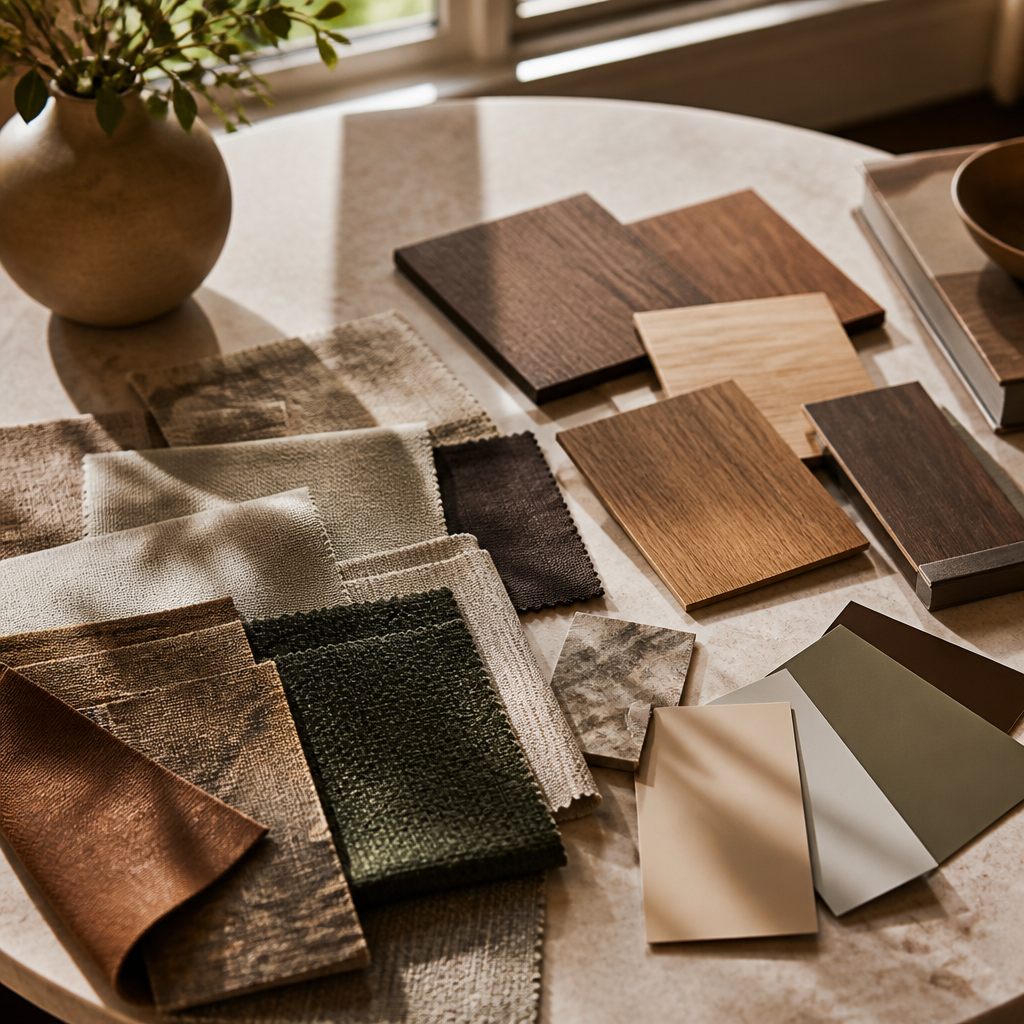
The hardest part of room sourcing is understanding what actually has to match and what only has to harmonize. Exact duplication is rarely necessary. What matters more is undertone, visual weight, and proportion. Wood finishes should agree enough to feel related, upholstery should not fight the fixed finishes of the room, and the scale of tables, lamps, and chairs should reinforce the anchor rather than nibble at it. This is why samples matter so much. Fabric swatches, paint cards, wood chips, and metal finishes should be reviewed together under the room's actual light before major spending begins.
Lead times and budget tiers are what turn sourcing from inspiration into project management. Custom upholstery commonly takes 8 to 16 weeks, specialty rugs and imported case goods can take longer, and lighting delays are more disruptive than many people expect because the room often does not feel finished until the right light arrives. A lower-budget room may need one stronger anchor and simpler support pieces, while a larger budget can absorb higher construction quality and longer-lived materials. The important question is not what each object costs in isolation, but what each category changes in the final room and what delay it introduces to the sequence.
How to approach it
Start with a measured floor plan
Measure every wall, window, door, and permanent fixture. Note ceiling height, radiator locations, and outlet positions. A tape measure and graph paper cost five dollars and save thousands in returns.
Define your anchor piece first
Buy the largest, most constraining piece before anything else. The sofa dictates rug size. The dining table dictates chandelier height. The bed dictates nightstand scale. Work outward from the anchor, not inward from accessories.
Set a realistic budget with category allocations
Allocate roughly 40% to the anchor piece, 30% to secondary seating and storage, 20% to lighting and textiles, and 10% to accessories. Budgets without categories lead to beautiful small objects and a terrible sofa.
Order samples and swatches before committing
Fabric swatches, wood finish samples, and paint chips cost nothing compared to a sofa in the wrong gray. Test them in your actual room under your actual light. Store lighting makes chenille look like velvet; your bedroom might not.
Buy in sequence, not all at once
Start with the anchor and one rug. Live with them for a week. Then choose side tables, then lighting, then pillows and art. Sequential buying gives each piece room to inform the next and reduces costly mismatches.
Track lead times and plan your rollout
Write down estimated delivery for every piece. Order items with long lead times first. A room assembled over twelve deliberate weeks looks more considered than a room that arrived on the same Tuesday.
What to pressure-test
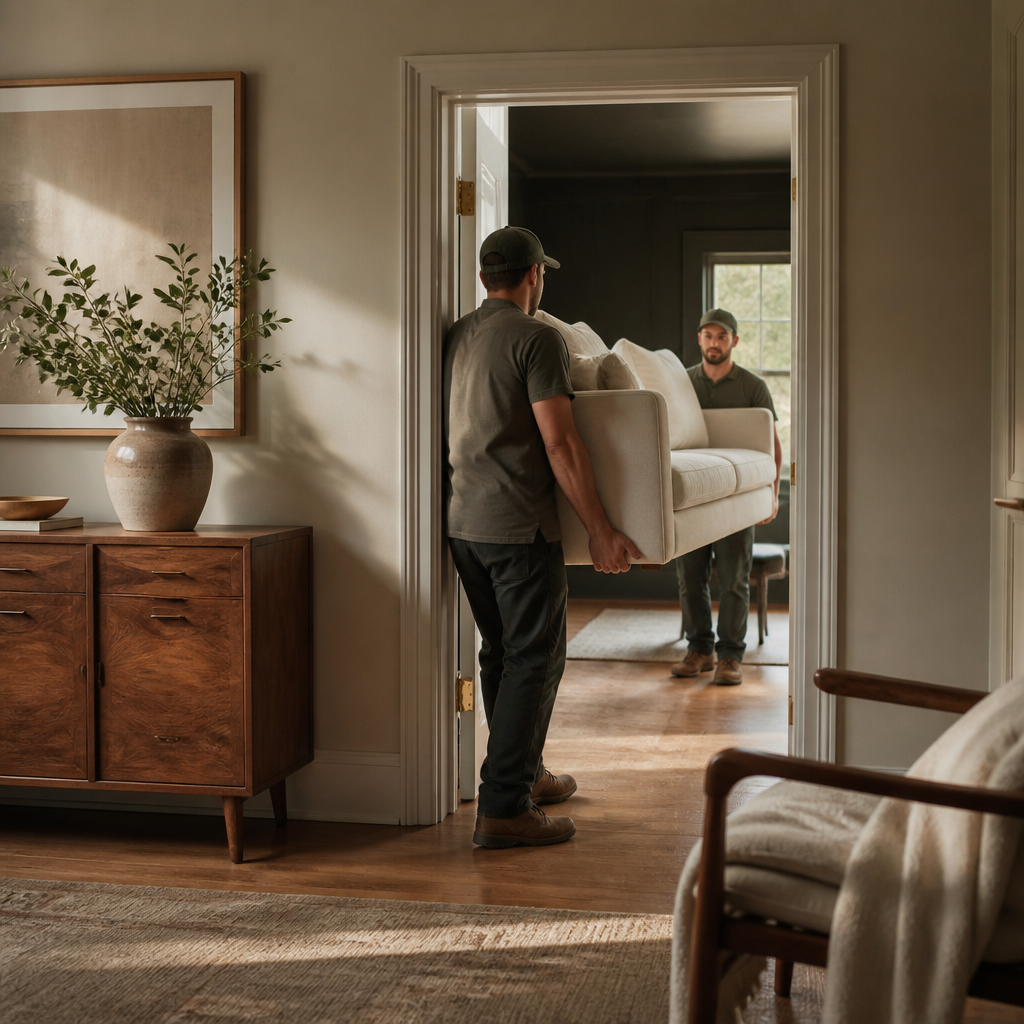
Logistics deserve equal respect. Large furniture must clear stair turns, elevators, and narrow doorways; delicate surfaces need inspection at delivery; and white-glove service is often worth paying for when one damaged anchor piece could hold up the whole room. The point of sourcing a complete room is not to reproduce one photo perfectly. It is to coordinate fit, timing, finish, and budget well enough that the room feels coherent when everything finally lands in the same place.