Virtual Staging That Sells Homes
Learn how to present vacant listings more clearly, more credibly, and with stronger buyer context.
Upload a photo to preview staged listings
Try the studio
Build your furniture preview here.
Upload a room, choose a style, then sign in only when you are ready to generate and save it.
1. Start with your room
Upload a photo or choose a sample to get started.
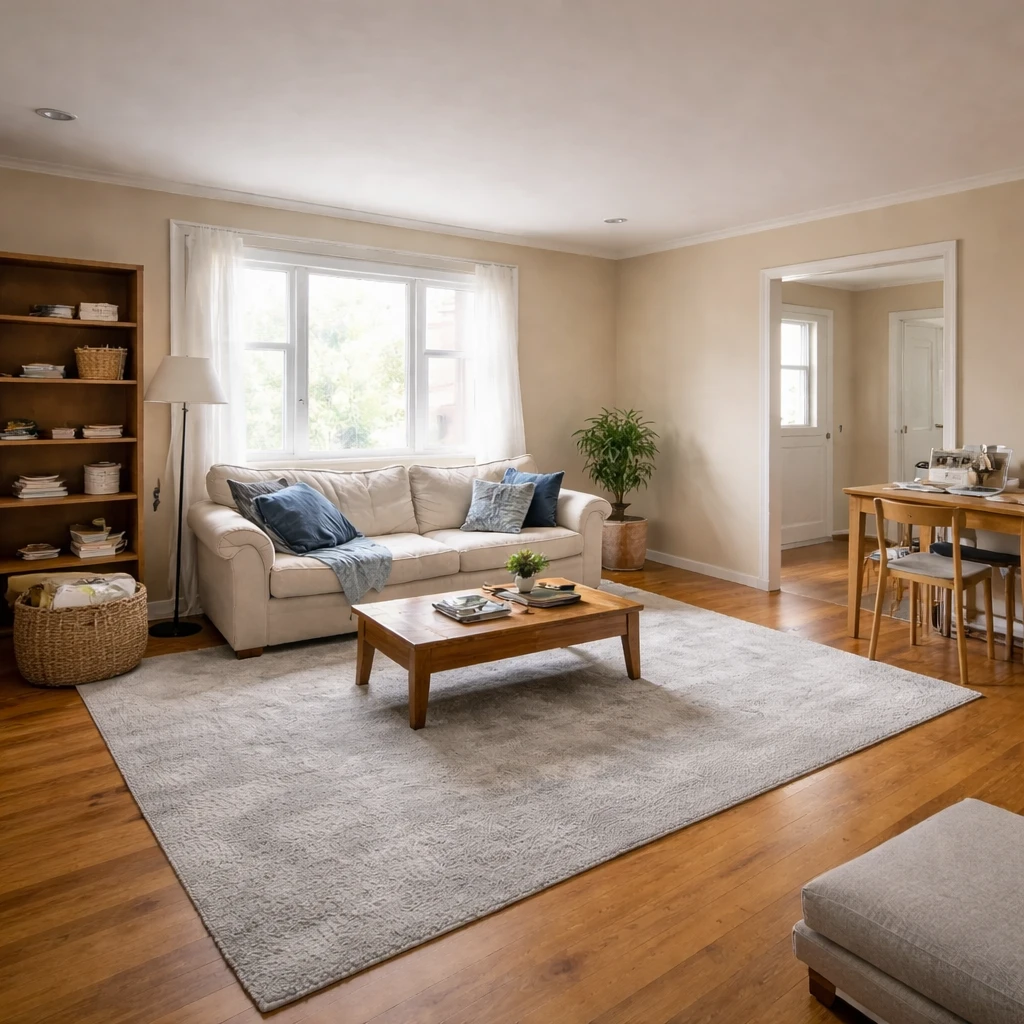
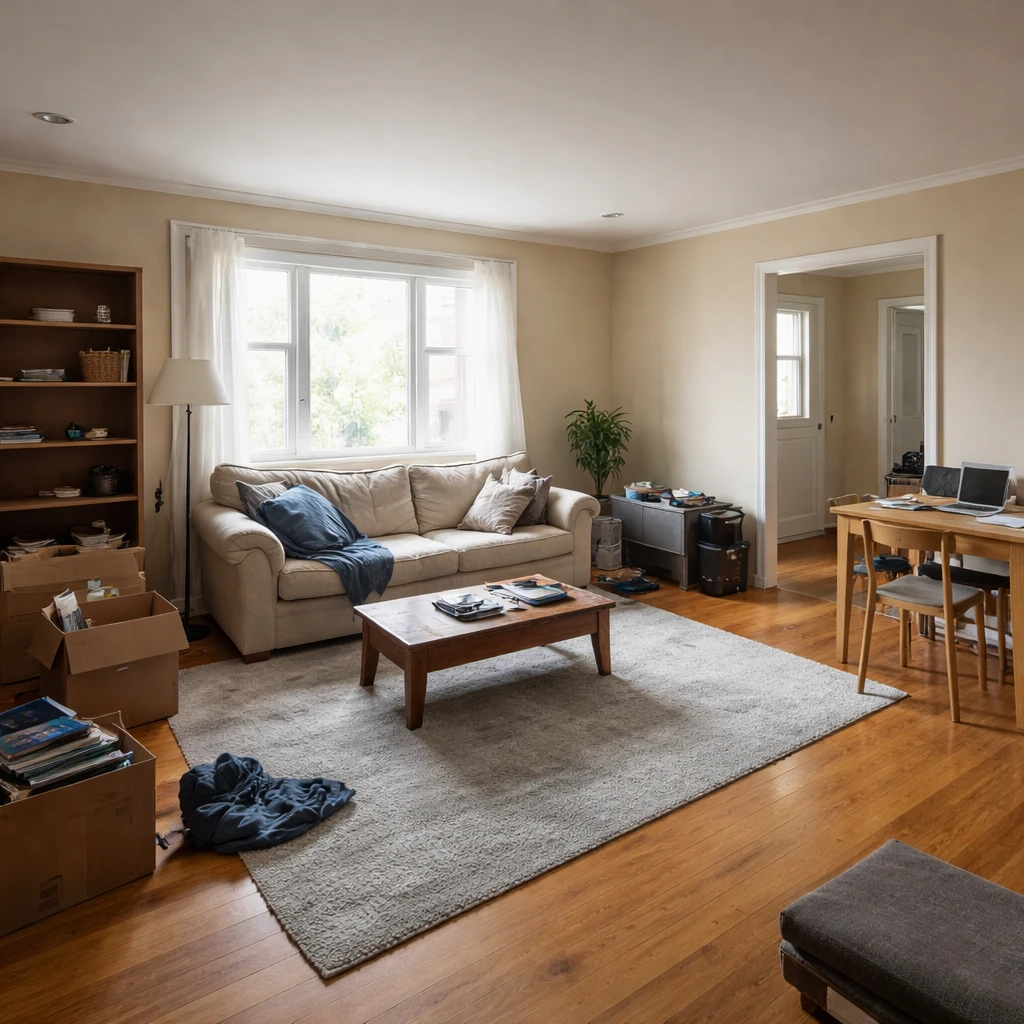
Examples
Real rooms, before and after
Tap or hover to see each transformation.
The National Association of Realtors reports that 81 percent of buyers' agents said staging made it easier for clients to visualize a property as their future home, while 23 percent of sellers' agents reported that staging increased the dollar value offered by 1 to 5 percent over comparable unstaged properties. On a median home price of $420,000, this premium translates to $4,200 to $21,000 in additional proceeds. Time-on-market data reinforces this impact: staged homes sold in a median of 23 days compared to 39 days for unstaged homes, a differential of 43 percent. Each additional day on market carries carrying costs including mortgage interest, insurance, property taxes, and utilities that average $75 to $200 per day depending on market and property value.
Listing photography standards are the foundation of effective virtual staging because the final image quality cannot exceed the resolution and composition quality of the source photograph. Multiple Listing Services require a minimum resolution of 1024 by 768 pixels, but professional photographers deliver 4,000 by 3,000 pixels or higher to support zoom, crop flexibility, and print marketing. Interior photography should use a 16 to 24 millimeter lens on a full-frame sensor positioned at approximately chest height, 42 to 48 inches from the floor, to maintain proportional verticals without barrel distortion. Each room should be photographed from two to three angles including the primary doorway view, and all images must capture both walls and ceiling to provide spatial context that buyers use to judge room volume.
MLS platforms enforce specific image requirements that virtual staging must comply with to avoid listing rejection or penalty. Photographs must accurately represent the property; digitally adding permanent elements such as fireplaces, windows, or outdoor views constitutes misrepresentation in most MLS jurisdictions. Virtually staged rooms must be clearly labeled in the listing description and photo captions, with several state real estate commissions including California, Texas, and Illinois mandating explicit disclosure when images have been digitally furnished. The typical MLS upload allows 25 to 40 photographs, and the first five images receive 80 percent of viewer engagement, meaning the order and quality of the primary living spaces, kitchen, and primary bedroom determine whether potential buyers continue scrolling or move on.
Physical staging costs $2,000 to $5,000 per property for furniture rental, delivery, installation, and removal over a typical 60-day listing period, with additional monthly rental fees of $500 to $1,200 for extended listings. Virtual staging costs $39 to $199 per photograph, with a median total cost of $500 to $1,200 for a complete home, including unlimited iterations that allow different styling directions for the same room. Turnaround time distinguishes the two approaches even more sharply: physical staging requires 5 to 14 days for furniture procurement and delivery, while virtual staging delivers initial renders within 24 to 48 hours and revisions within 24 hours. For properties entering a competitive spring market or requiring rapid listing, virtual staging eliminates the logistics bottleneck that delays photography and market entry by one to two weeks.
Cognitive psychology research demonstrates that empty rooms are consistently perceived as 10 to 15 percent smaller than furnished rooms of identical dimensions because the human brain lacks familiar reference objects to judge scale. Virtual staging restores this scale by introducing appropriately sized furniture that provides visual anchors for room volume, proportion, and purpose. Eye-tracking studies of real estate listing photographs show that viewers spend 60 percent more time examining virtually staged images than vacant photos, with particular fixation on the seating, dining, and sleeping areas that communicate livability. The critical qualification is that virtually staged furniture must respect actual room dimensions; a 10-by-12-foot bedroom staged with a king-size bed and two nightstands will appear believable in the listing but will not function in reality, creating a trust violation that backfires during in-person showings.
Credible virtual staging depends on technical precision in four areas: perspective matching, lighting consistency, shadow physics, and scale accuracy. The camera position, focal length, and vanishing points of the original photograph must be reconstructed to place virtual furniture at the correct depth and angle. Light direction, intensity, and color temperature on inserted objects must match the visible light sources in the original image, including window direction, ambient fill, and artificial fixtures. Cast shadows must align with the dominant light source angle and exhibit appropriate softness based on light distance and size. Scale verification uses known reference dimensions such as standard door heights of 80 inches, baseboard heights of 3.5 to 7 inches, and countertop heights of 36 inches to calibrate the size of inserted furniture. Violations in any of these four areas produce images that register as artificial rather than aspirational.
Ethical virtual staging requires strict adherence to three principles: do not alter permanent features, do not modify structural elements or views, and always disclose digital enhancement. Removing an awkward pipe, widening a window, or adding a skylight to a digitally furnished room constitutes material misrepresentation that can trigger legal liability in most jurisdictions. The National Association of Realtors Code of Ethics requires that digitally altered listing photographs be identified as such, and several state real estate commissions mandate labeling of virtually staged images in the listing description. Best practice extends beyond legal minimums: provide unedited reference photographs upon request, disclose the room dimensions that were used to calibrate furniture scale, and never change wall colors, flooring materials, or window views in ways that make the property appear different from its actual condition. Responsible disclosure builds buyer trust and reduces the likelihood of post-viewing disappointment that generates negative reviews and contract cancellations.
How it works
Snap your room, compare design directions, and use the best result as your shopping and styling brief for virtual staging that sells homes.
Begin with the buyer, not the seller
Staging works when the room reads clearly to a broad audience. Strip away highly personal cues and clarify how each room is meant to be used.
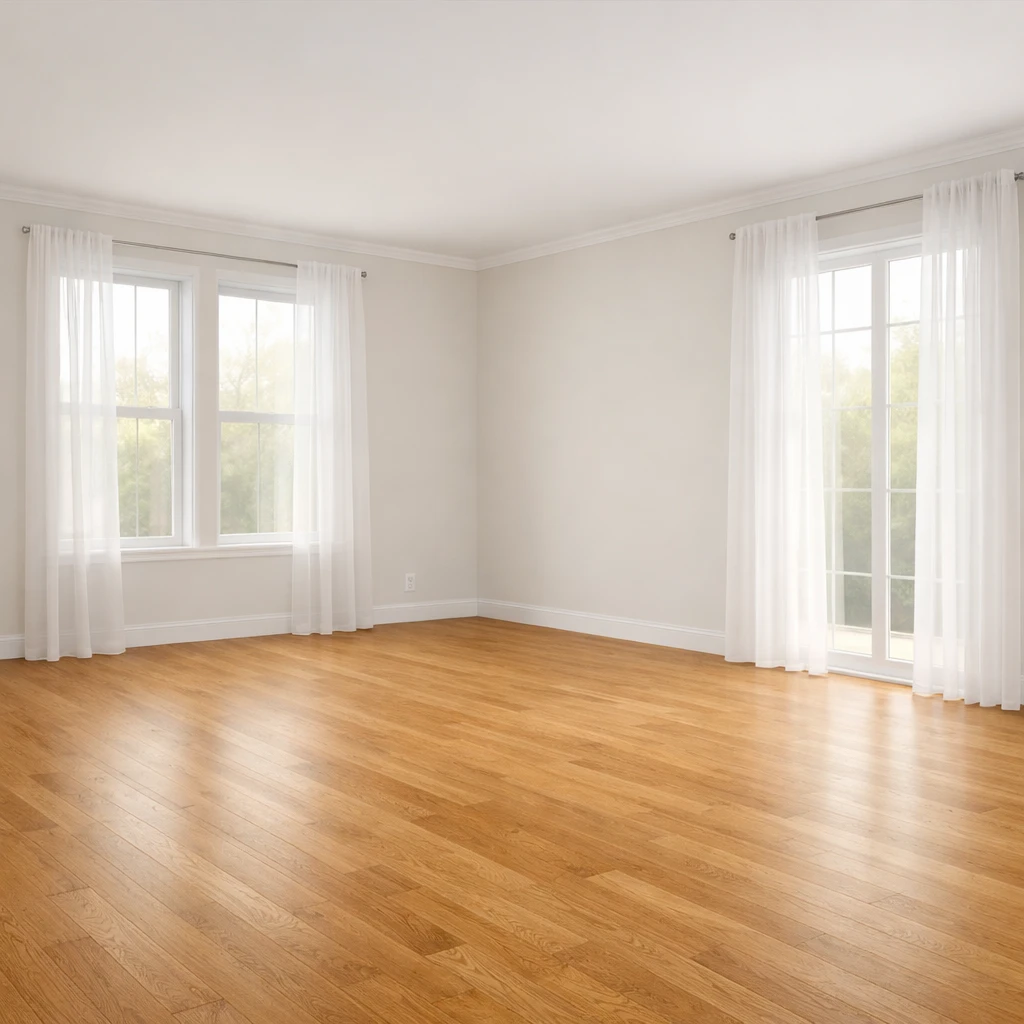
Establish scale and purpose
Empty rooms photograph larger but feel harder to interpret. Furnishing should give buyers clear scale references and a legible use for the space without overfilling it.
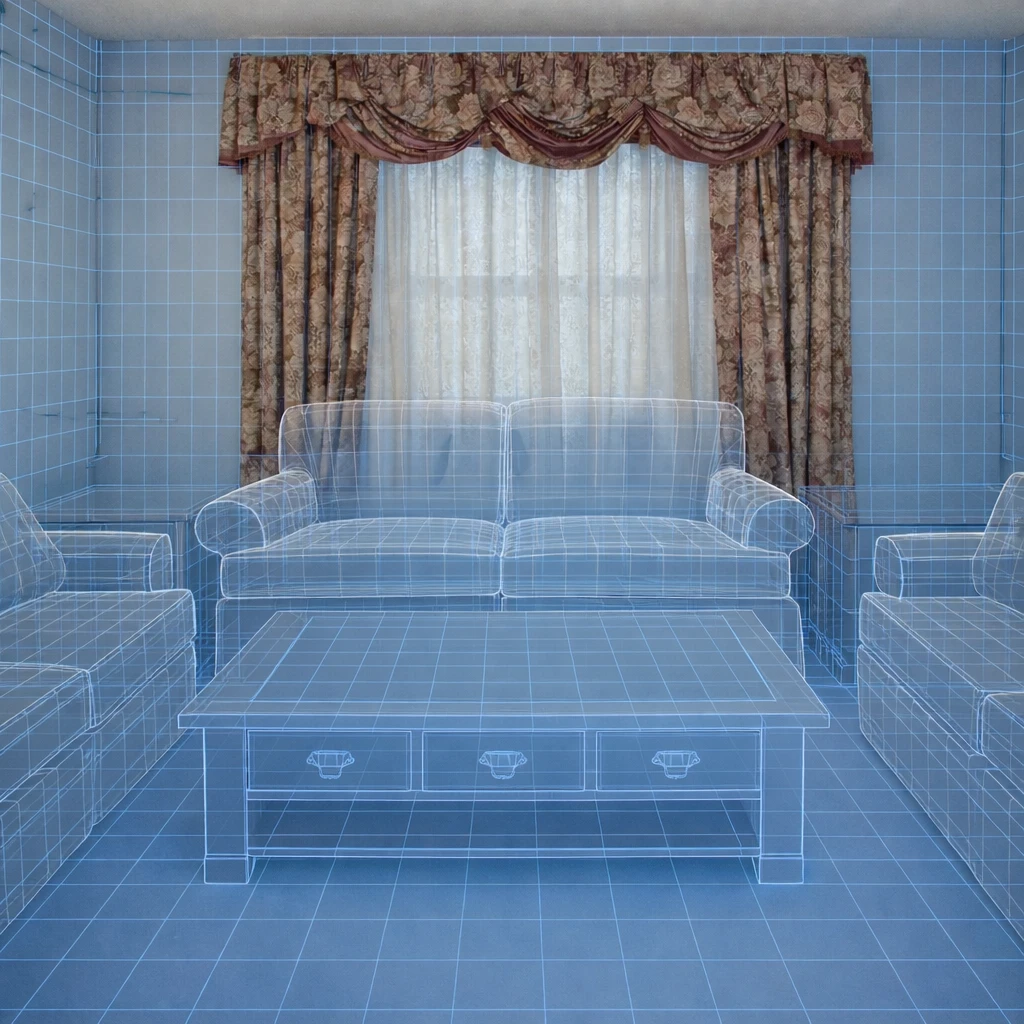
Favor neutral, market-appropriate styling
Most listings benefit from restraint: broad-appeal color palettes, simple layouts, and enough texture to prevent the room from feeling flat on camera.
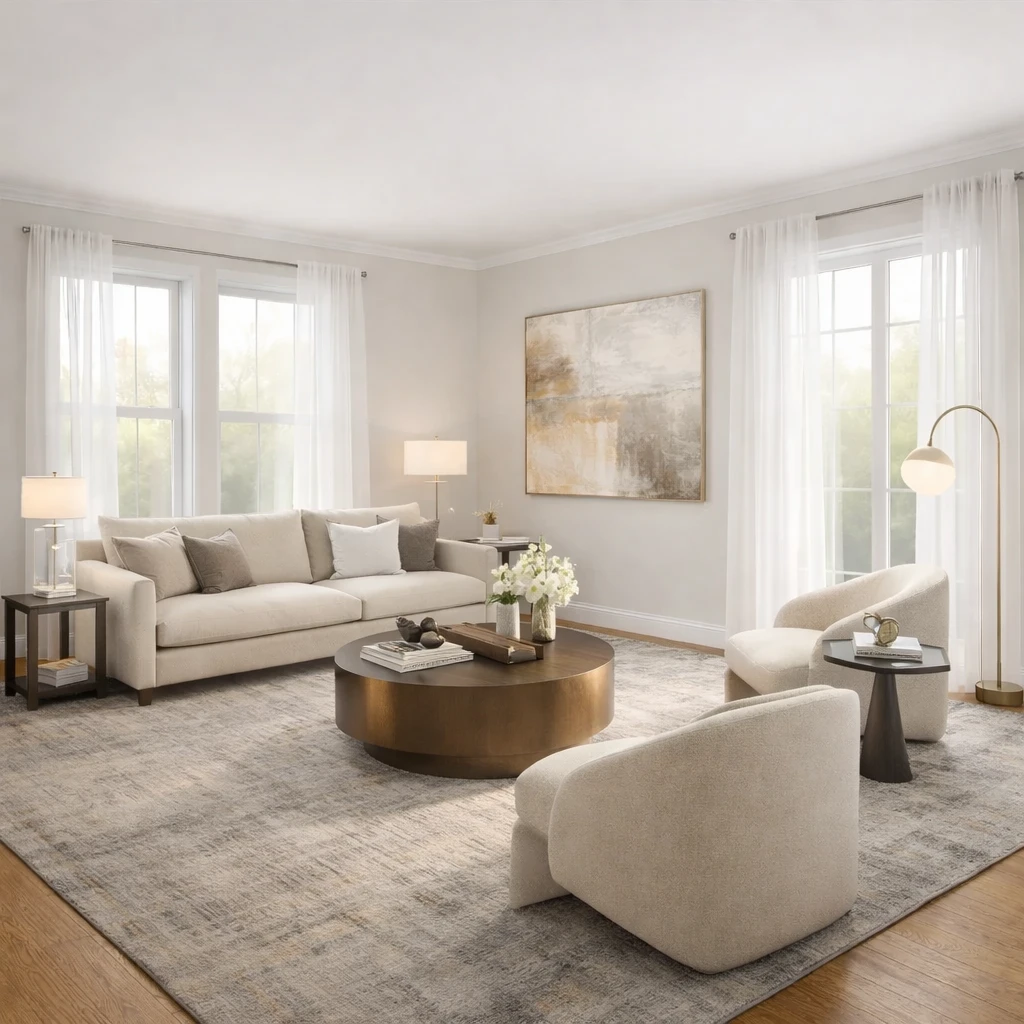
Respect price point and neighborhood expectations
A starter home, a luxury listing, and an investment property should not be staged to the same standard. The styling should support the value story of the home.
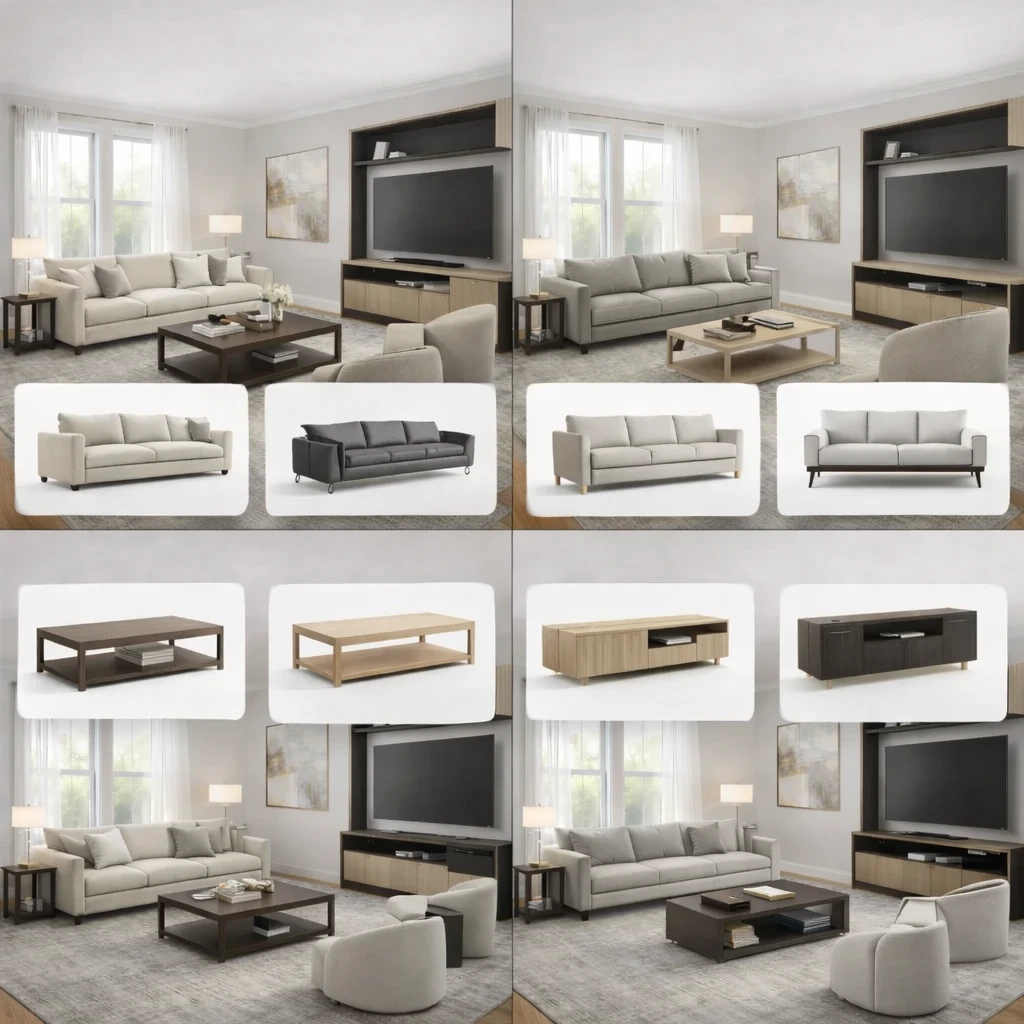
Optimize for photography as well as in-person viewing
Rooms should read clearly from the main camera angle, with open sightlines, balanced lighting, and enough negative space for buyers to imagine themselves living there.
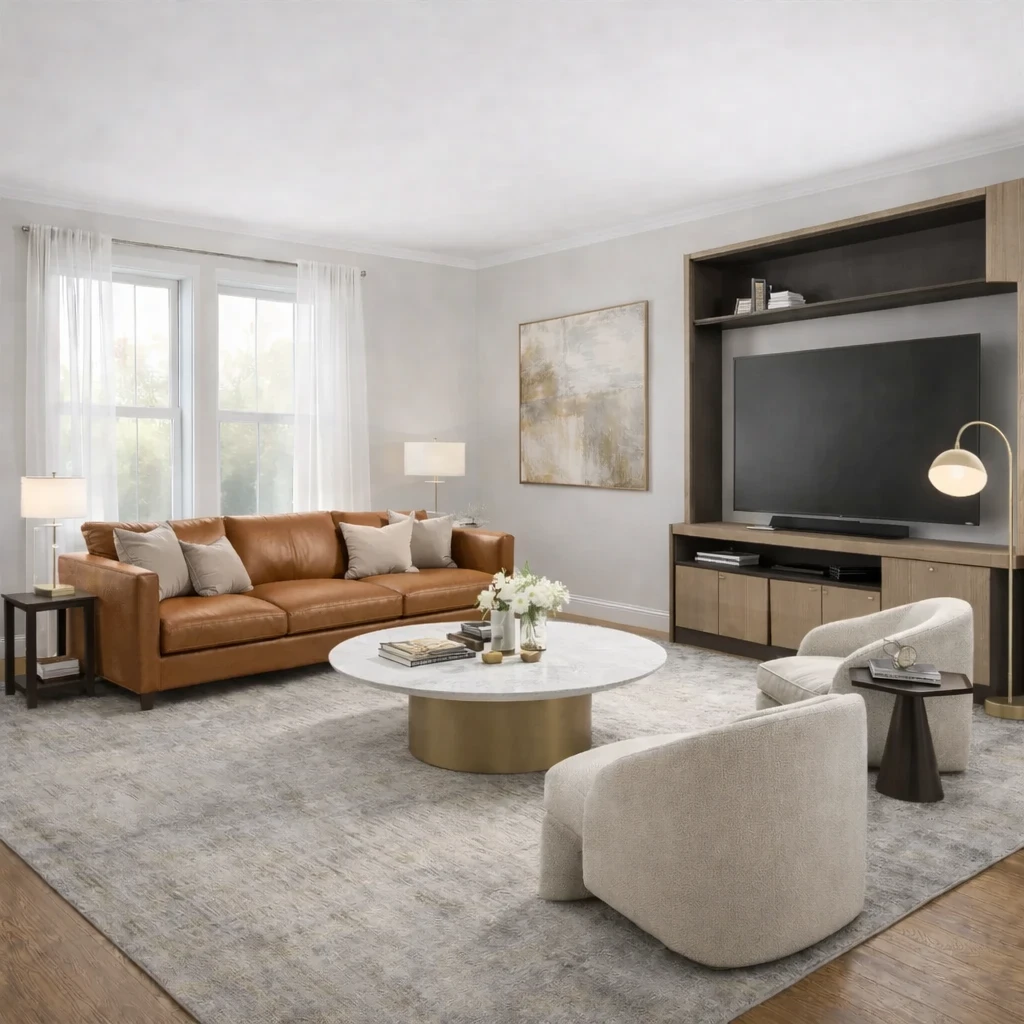
Stage the most important rooms first
Living rooms, kitchens, primary bedrooms, and dining areas typically influence perceived value most. If budget is limited, prioritize the spaces that drive first impressions and listing engagement.
Do this first
- 1Use one wide room photo with doors, windows, and the major furniture zone visible.
- 2Decide what you are testing first: layout, style direction, or product fit.
- 3Generate at least two or three directions before choosing a winner.
- 4Use the strongest result as the brief for your next purchase decisions.
Before you buy
- !Check measurements before buying large items, even if the concept looks right.
- !Compare at least one lower-cost and one higher-cost alternative before checkout.
- !Review delivery windows and return terms for larger pieces.
- !Save the chosen direction so future purchases stay visually consistent.
Best for
- Agents, listing teams, and sellers preparing homes for market
- Empty rooms that need clearer purpose in listing photos
- Comparing neutral vs premium staging directions before launch
Know before you start
- iNot a replacement for final MLS photography
- iNot for hyper-custom personal styling before a move-in
- iNot a permit or renovation planning tool
Source Staging Pieces by Speed and Broad Appeal
Once the room direction is set, compare pieces by lead time, availability, and how broadly they appeal to likely buyers.
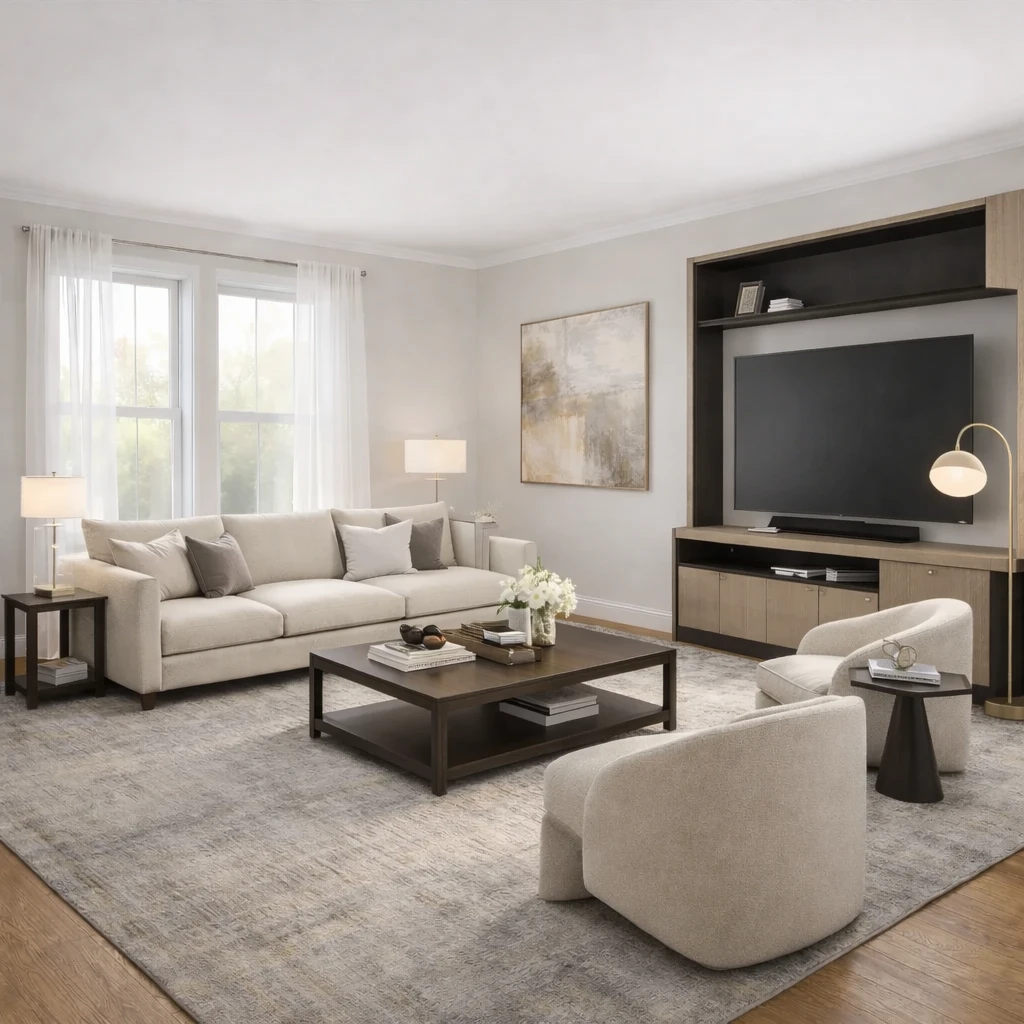
Stage 1
Product matching from your room context
Recommendations are generated from the actual room concept—not generic mood boards. Each product suggestion is sized and positioned to work with your specific room proportions, lighting conditions, and existing architectural features.
Stage 2
Compare alternatives by style, price, and availability
Review multiple matched options across different retailers (Amazon, IKEA, eBay, and regional stores) and choose the price-quality tradeoff that fits your budget. Compare delivery times, return policies, and customer reviews alongside visual fit.
Stage 3
Apply swaps before purchase
Preview replacements directly in the visual concept—no need to order, return, and reorder to find what works. Test whether a less expensive alternative achieves similar visual impact before committing your budget.
Virtual Staging FAQs
Practical answers for agents, sellers, and listing teams using AI staging to improve presentation.
What Innie can do for virtual staging that sells homes
More AI design tools
Browse all guidesAI Room Planner From Photo
Compare layout directions against your actual room before moving furniture or committing to purchases.
Bedroom Visualizer – Preview Designs in Your Room
Test bed placement, storage, and lighting in your actual bedroom before you move a single piece.
Dorm Room Visualizer – Preview Your Dorm Makeover
Test layouts, storage, and no-drill upgrades in your actual dorm before move-in day.
Home Office Visualizer – Preview Your Workspace
Test desk placement, glare, and storage in your actual room before you buy the wrong desk.
Living Room Visualizer – Preview Layouts in Your Room
Test layouts, sofas, and rugs in your actual living room so the next purchase lands right the first time.
AI Furniture Placement From Your Room Photo
Upload your room photo to compare furniture directions that improve flow, balance, and function before you move or buy anything.
Try Virtual Staging That Sells Homes on your own room
A practical guide to virtual staging for real estate listings, including image standards, disclosure, room prioritization, and when digital staging makes more sense than physical staging.
Free to start. No credit card required.
See the full Innie flow in one clean walkthrough.
Watch the real Innie workflow from upload to redesign to shoppable picks.

Innie
YouTube walkthrough