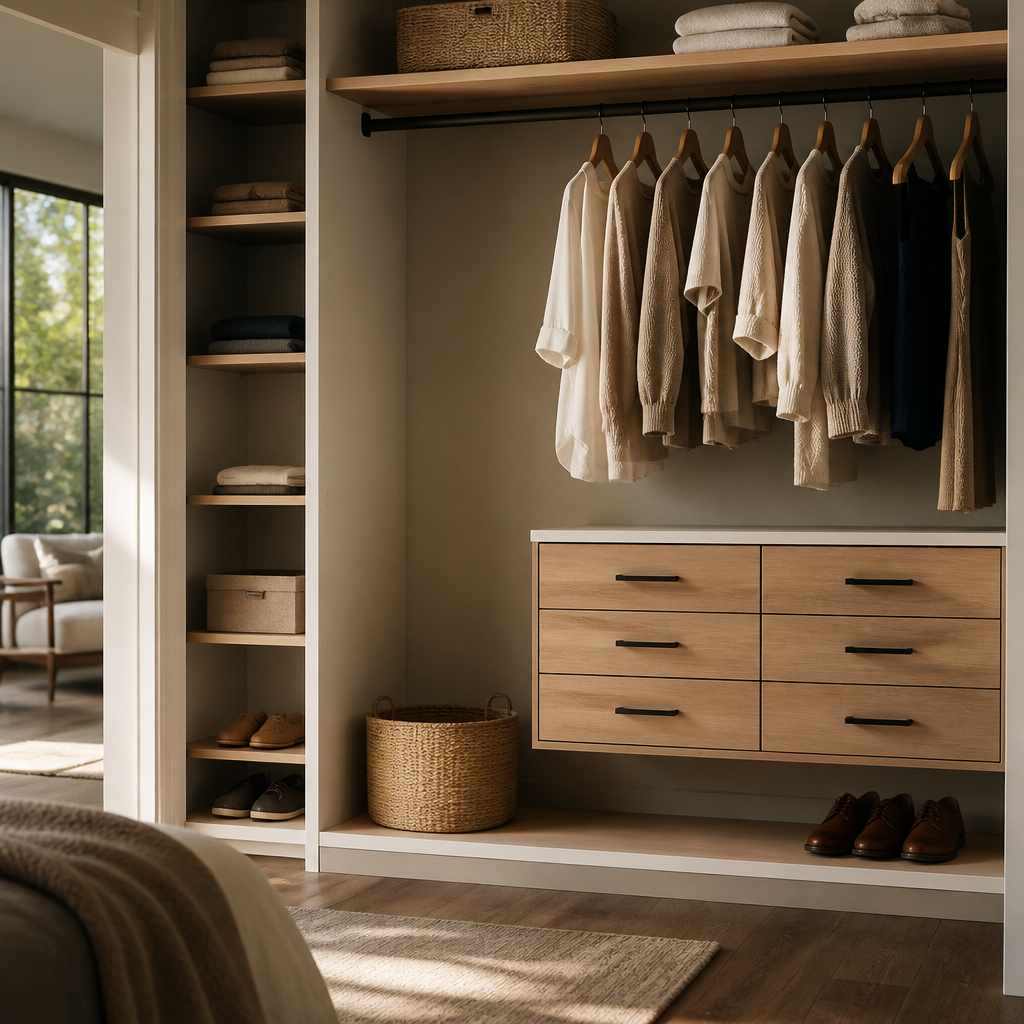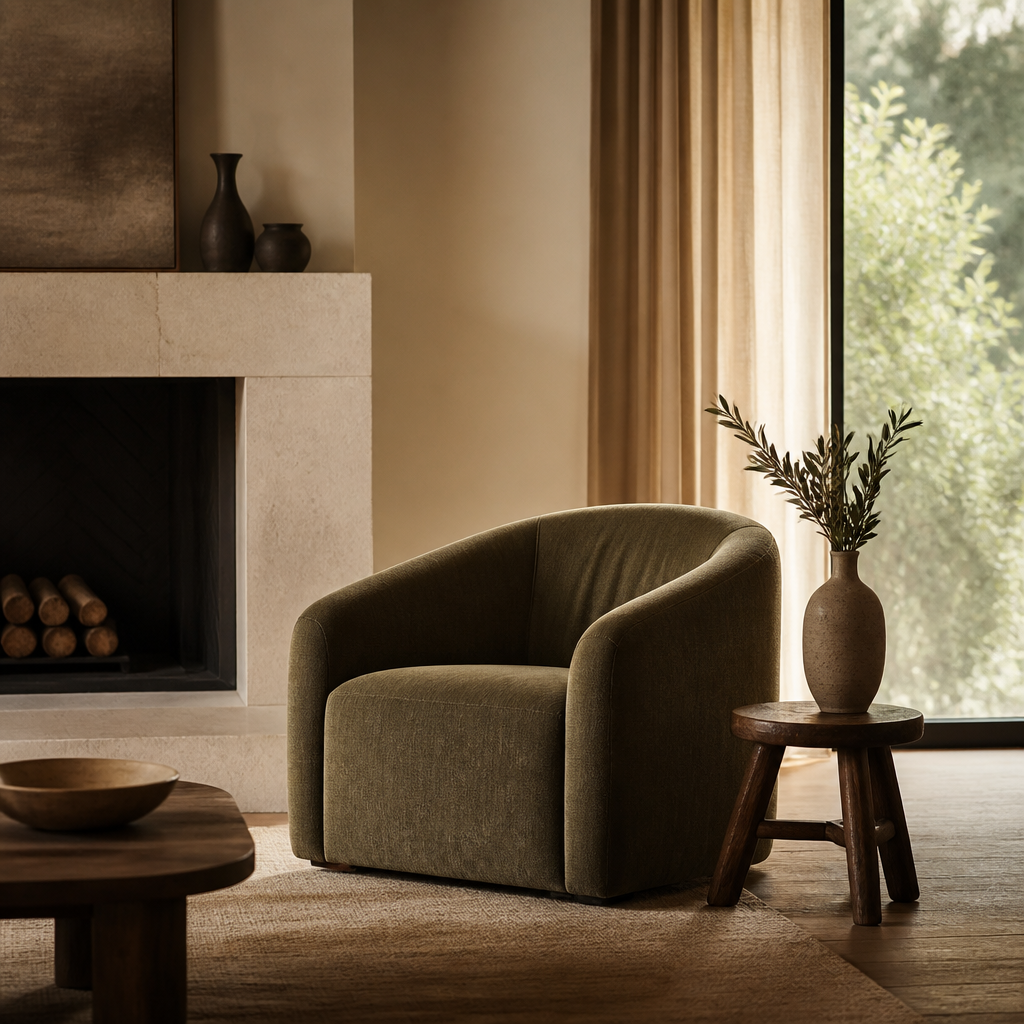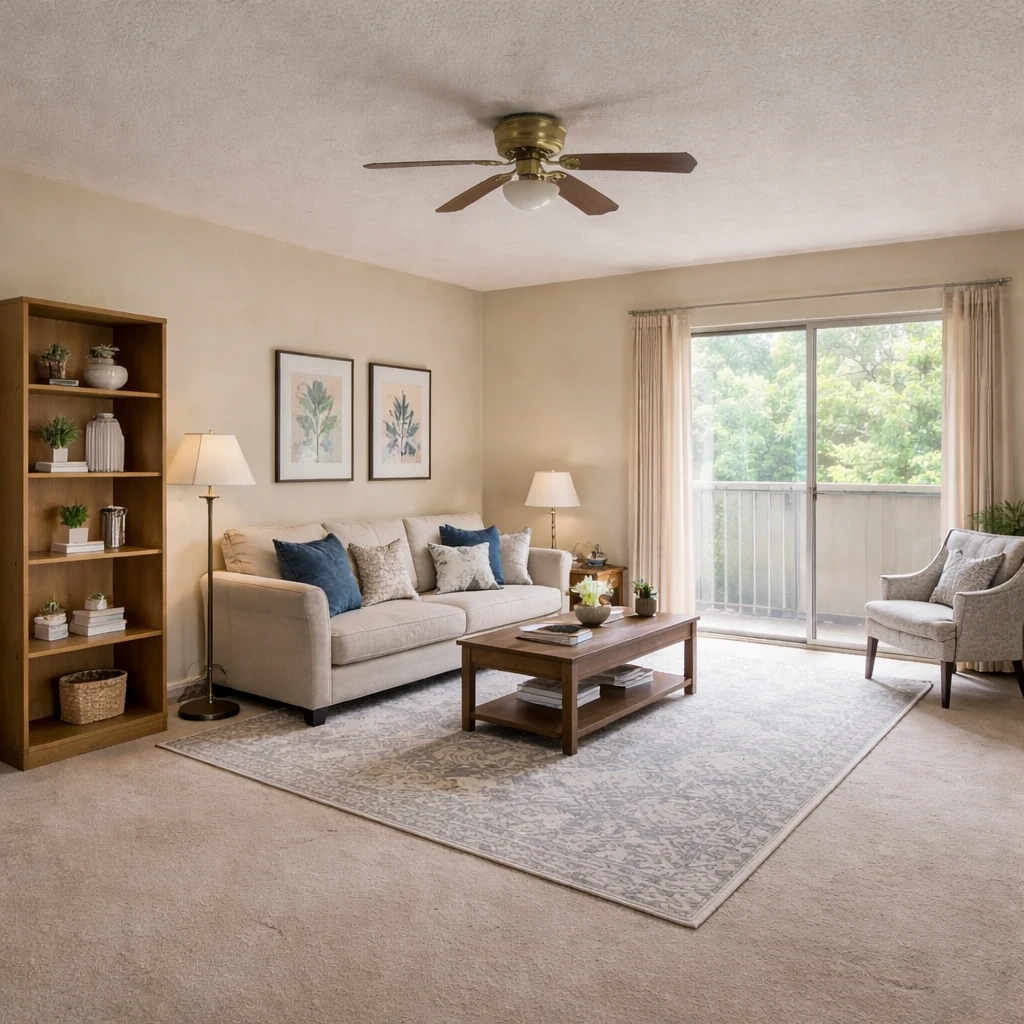
Empty rooms are difficult for buyers to evaluate because they lack scale reference. A room that looks spacious in isolation can feel cramped once furniture enters it, and buyers often cannot picture how their own pieces would fit. Staging an empty room solves this by providing proportional furniture groupings that communicate actual room dimensions and purpose immediately. The goal is not decoration. The goal is legibility.
The first decision is the room's purpose. A spare room cannot read as office, guest room, workout zone, and nursery all at once in the listing. Pick the most marketable and believable use based on the floor plan, natural light, and buyer demographic, then stage around that single answer. The clearer the room's job, the less mental work the buyer has to do when swiping through photos. A room that could be interpreted three ways should be staged one way.
Scale is the most common mistake in empty-room staging. One correctly sized bed, desk, or seating group can restore proportion immediately, while one oversized piece can make the room feel deceptive even if the staging looks polished at first glance. The furniture should clarify, not overwhelm. Accessories should be kept low so windows, floor area, and circulation remain visible. If a king bed backed by a bench in a 10-by-12 bedroom would leave no practical walking space, the image has already failed the trust test.
If the budget is limited, prioritize the rooms that appear first in listing photos, typically the living room and primary bedroom. Even minimal staging, arranging a few key rental pieces, correcting lighting, and improving photography angles, can significantly change how a property presents online. Broad-appeal color palettes, neutral upholstery, and one clear purpose per room usually do more for buyer confidence than expensive styling ever will. The strongest empty-room staging makes the buyer's job easier, removes guesswork without creating a more polished fiction that the room cannot support in reality.
What buyers or guests notice first
Empty-room staging is about restoring legibility. Vacant spaces lack reference points, so buyers often struggle to judge purpose, scale, and everyday usability without some kind of furnishing cue.
This guide focuses on the specific discipline of giving a vacant room one obvious job, using just enough furniture to explain proportion, and keeping the room credible both in photos and in person. That is a narrower problem than broad home staging, and it needs a narrower answer.
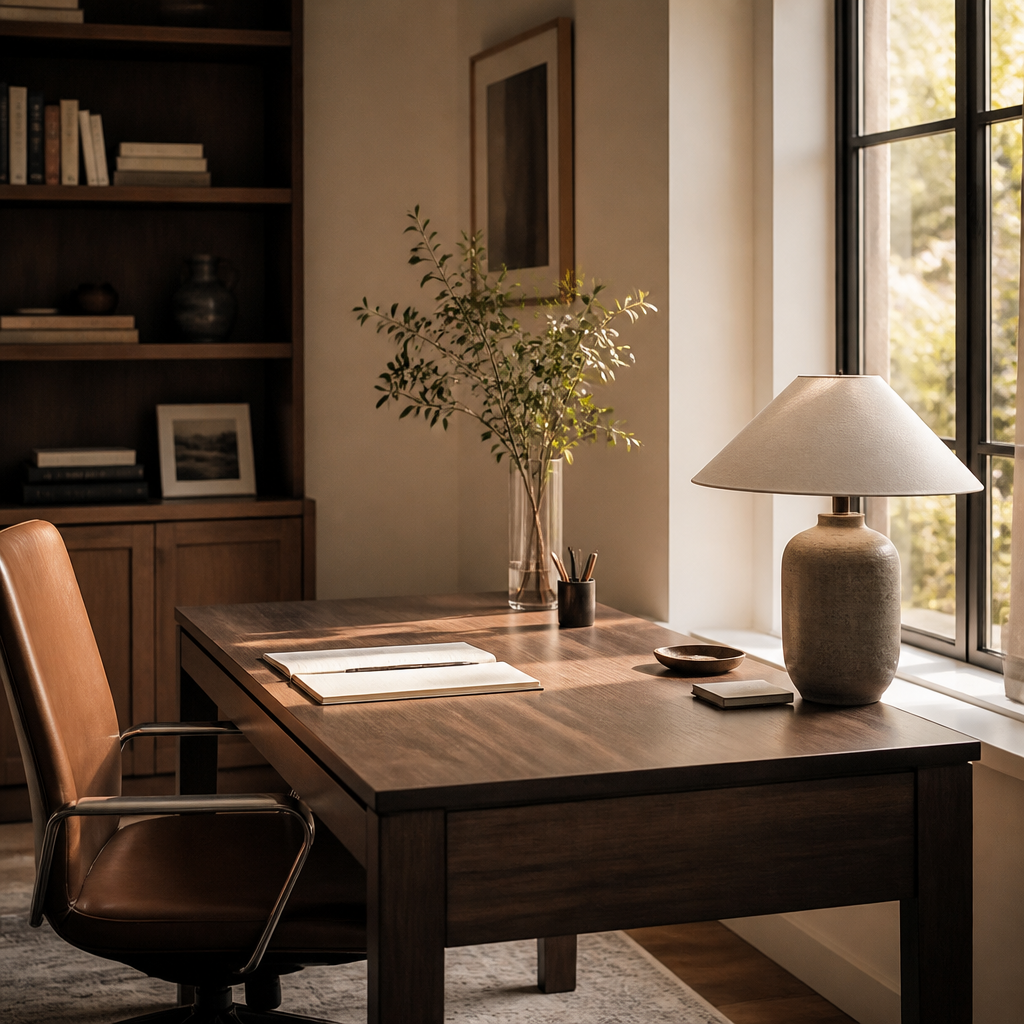
The key is restraint. Empty rooms improve when they become easier to understand, not when they are overfilled with decorative signals that outshine the room itself.
How to prepare the room
Choose one believable job for the room
A vacant room should read immediately as bedroom, office, dining area, or living space, not as several uncertain possibilities at once.
Measure before introducing any furniture
Confirm the room dimensions and clearances so the staged pieces restore scale without suggesting an impossible layout.
Use one anchor grouping to explain proportion
A bed, desk, dining set, or seating group gives the buyer a usable reference point. The furniture should clarify, not overwhelm.
Keep the styling low and broad-appeal
Avoid over-accessorizing. The architecture, light, and floor area still need to remain visible in the main listing photos.
Photograph from the angle that explains the room fastest
The first image should show both the room's use and enough surrounding structure that buyers can judge size and flow with confidence.
Check that the room still feels honest in person
If the staged setup only works from one lens angle and collapses in the actual room, it is overdone for the space.
What weakens trust or clarity
A successful empty-room staging plan makes the buyer's job easier. It removes guesswork without creating a second, more polished fiction that the room cannot support in reality.