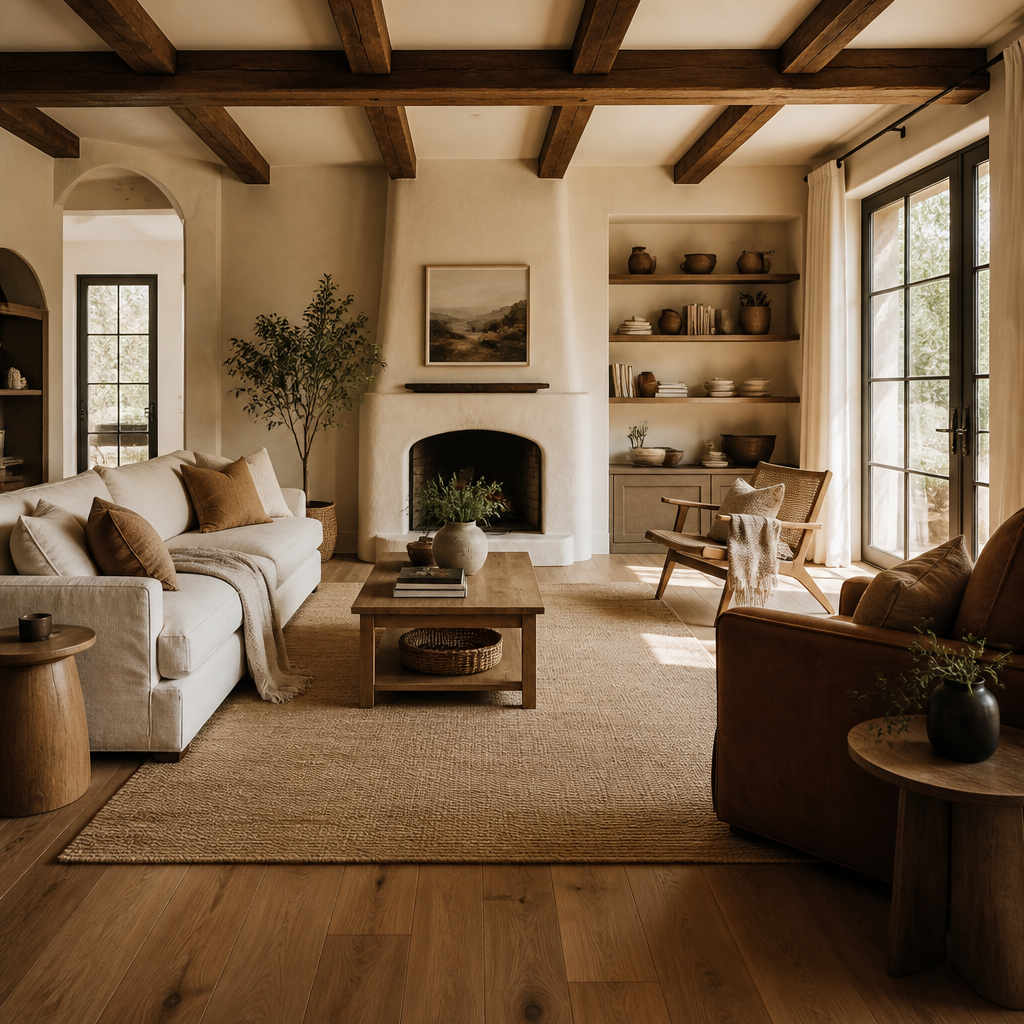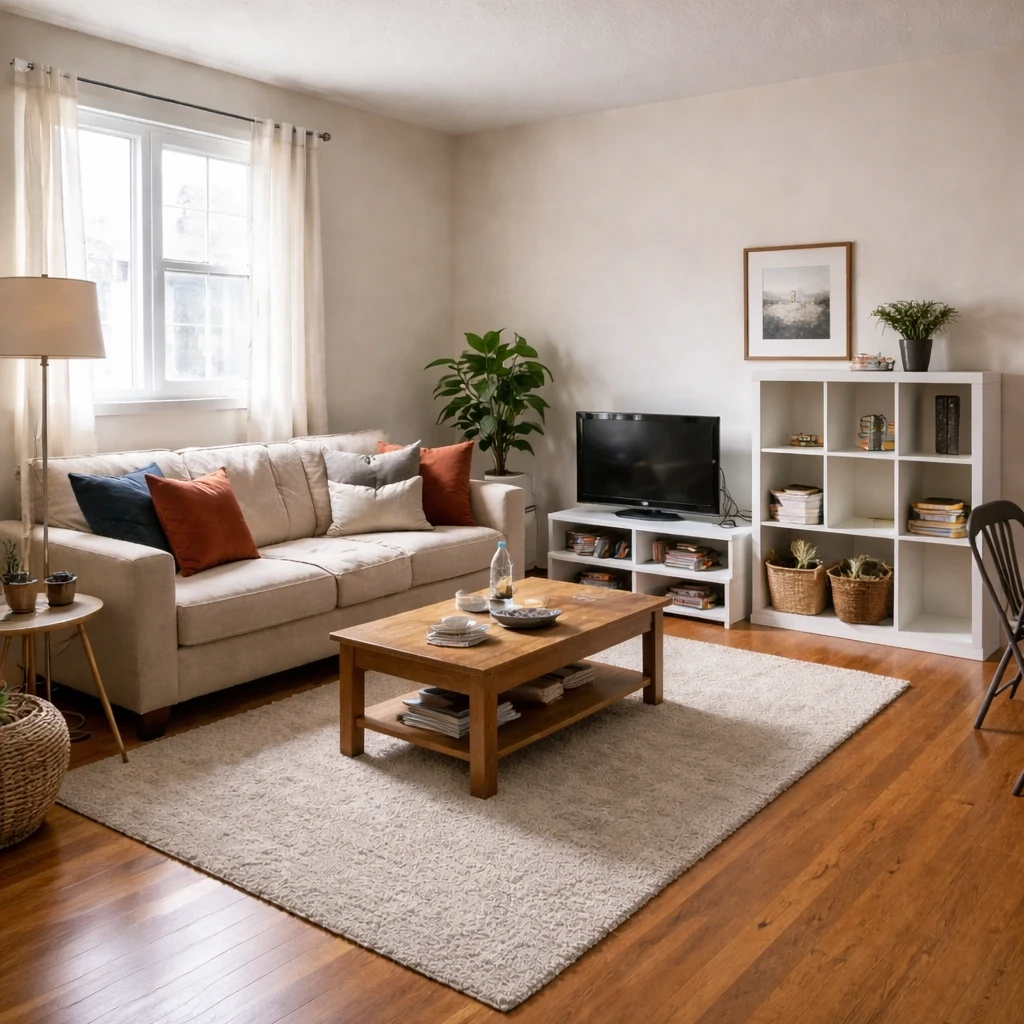
Airbnb design serves a unique purpose: creating spaces that earn five-star reviews while withstanding turnover and varied guest use. The balance between aspirational photos and practical durability is essential. Your space needs to look great in listings AND survive continuous guests.
Key considerations include: durability (stain-resistant fabrics, easy-clean surfaces, quality that handles daily use), practical amenities (intuitive controls, adequate seating for max guests, clear instructions), and guest experience (comfortable beds, good lighting, functional kitchen). Design that looks great but fails in practice generates negative reviews.
Design for your target guest: business travelers appreciate work spaces; families need kid-friendly setups; couples want romantic retreats. Understanding your audience guides design decisions. Budget for turnover cleaning—spaces that clean quickly command premium pricing.
What buyers or guests notice first
Short-term rental rooms have to perform like hotel rooms while still feeling domestic enough that guests can relax in them. That combination changes the design hierarchy dramatically. Guests do not rate a room highly because it has the most expressive styling. They rate it highly because the bed is comfortable, the room is dark when they want to sleep, there is somewhere sensible to put a suitcase, and the photos matched what they walked into. Short-term rental design is therefore as much about operations and review prevention as it is about aesthetics.
The most important categories are the unglamorous ones. Mattress quality, blackout performance, charging access, luggage placement, stain resistance, and intuitive circulation affect guest satisfaction more reliably than a dramatic wall color or a styled shelf ever will. Every guest arrives tired and uncertain; the room should answer practical questions immediately. Where do I set my bag? Where do I charge my phone? How do I turn this light off from bed? A room that makes those answers obvious feels generous. A room that makes guests hunt for them feels underdesigned no matter how photogenic it is.
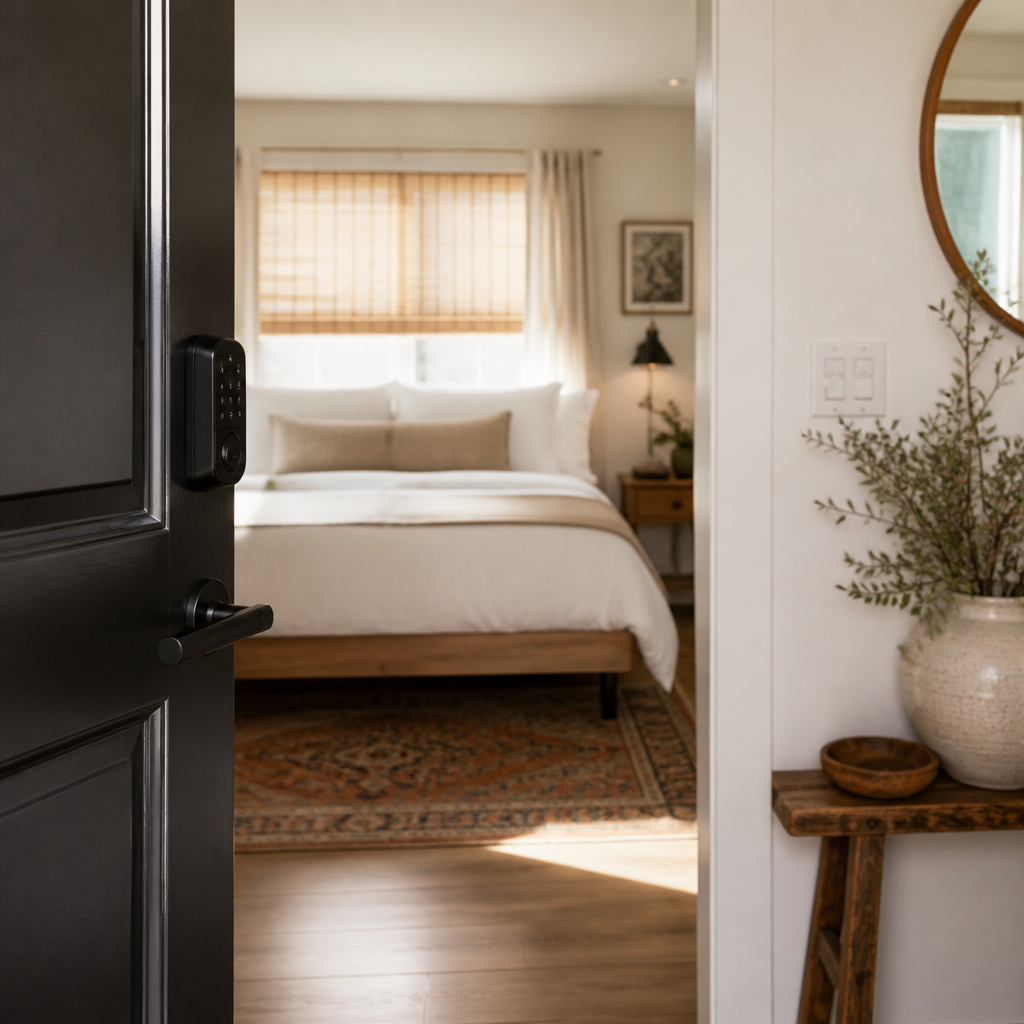
Cleaning speed and material durability belong in the design brief from the start. White bedding may seem risky, but it supports bleaching and visible stain control in a way patterned textiles often do not. Rugs and upholstery should tolerate repeated vacuuming, spot treatment, and occasional abuse from people who do not own them. Finishes in bathrooms and kitchenettes should be selected for wipeability and resistance to harsh cleaning products. If every turnover requires delicate handling or heroic stain management, the room is too precious for the business model supporting it.
How to prepare the room
Design for the guest experience first
Short-term rentals work best when guests understand the room immediately: where to sit, where to set luggage, where to charge devices, and how to move through the space without explanation.
Match the room to the nightly rate
Higher rates demand better finishes, stronger mattresses, better blackout control, and more complete lighting. The furnishing standard should support the promise made by the listing.
Prioritize durability and cleanability
Guest-use spaces need stain resistance, washable textiles, and surfaces that survive repeated turnover. Operational simplicity matters as much as appearance.
Stage for photography without misleading
The room should photograph clearly and attractively, but it must still match the in-person experience. Accuracy protects reviews better than exaggeration.
Plan storage for both hosts and guests
Guests need intuitive places for bags, toiletries, and clothing, while hosts need secure storage for supplies, backups, and owner items.
Audit the room between stays
The real test is turnover: what looks good when newly arranged must still function after repeated use, cleaning, and quick resets.
What weakens trust or clarity
Listing accuracy is the other major performance metric. Rooms that photograph dramatically but feel compromised in person generate distrust, lower reviews, and weaker repeat business. Strong short-term rentals usually photograph clearly rather than theatrically: believable scale, honest lighting, and enough detail that guests understand how the room works. A beautiful image that oversells size or hides awkward function may increase clicks, but it also increases the likelihood of disappointment once the door opens. In this category, coherence and honesty are not moral extras. They are occupancy strategy.
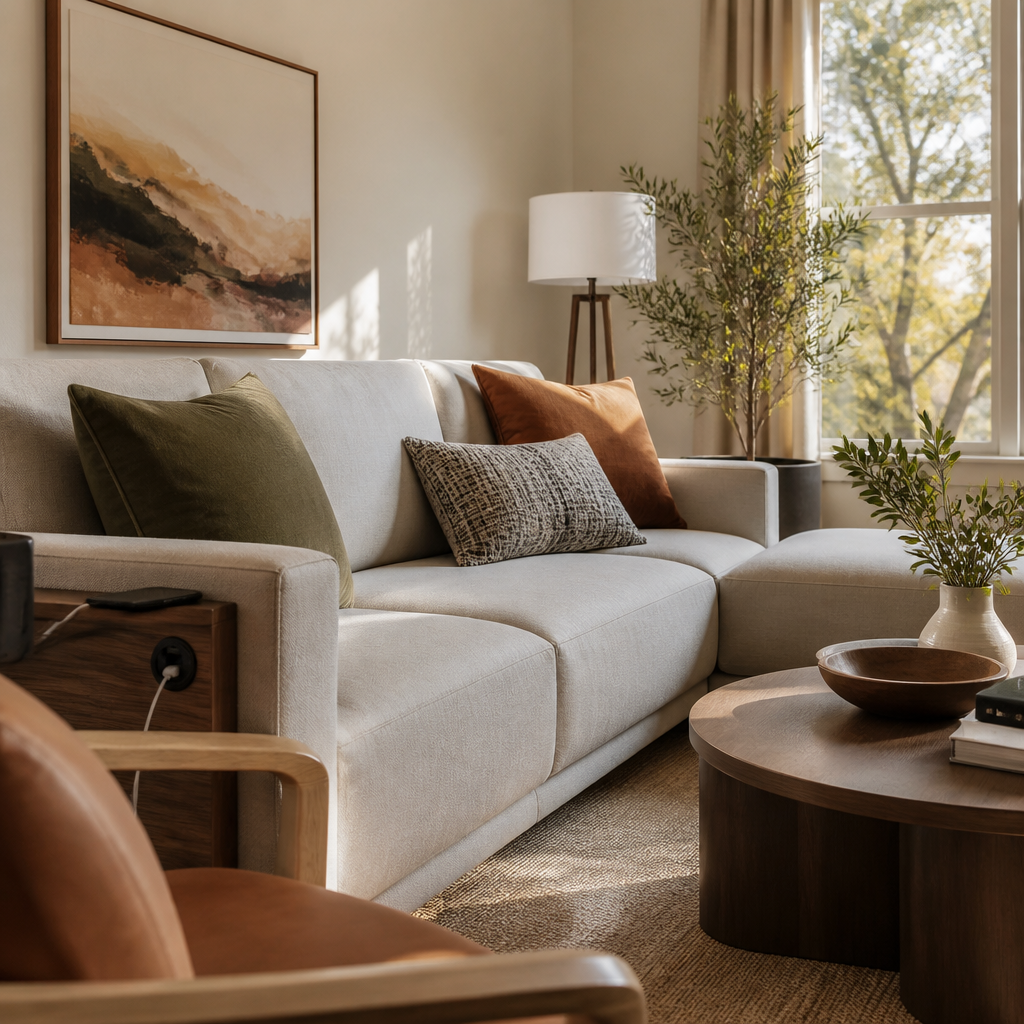
A good short-term rental room should be easy to book, easy to use, easy to clean, and easy to maintain. That is a tougher standard than many primary residences ever face, which is why these rooms benefit so much from practical rigor. If the lighting works, the bed supports sleep, the finishes survive turnover, and the listing tells the truth, the room has already solved most of what guests actually review. Everything else is enhancement, not foundation.