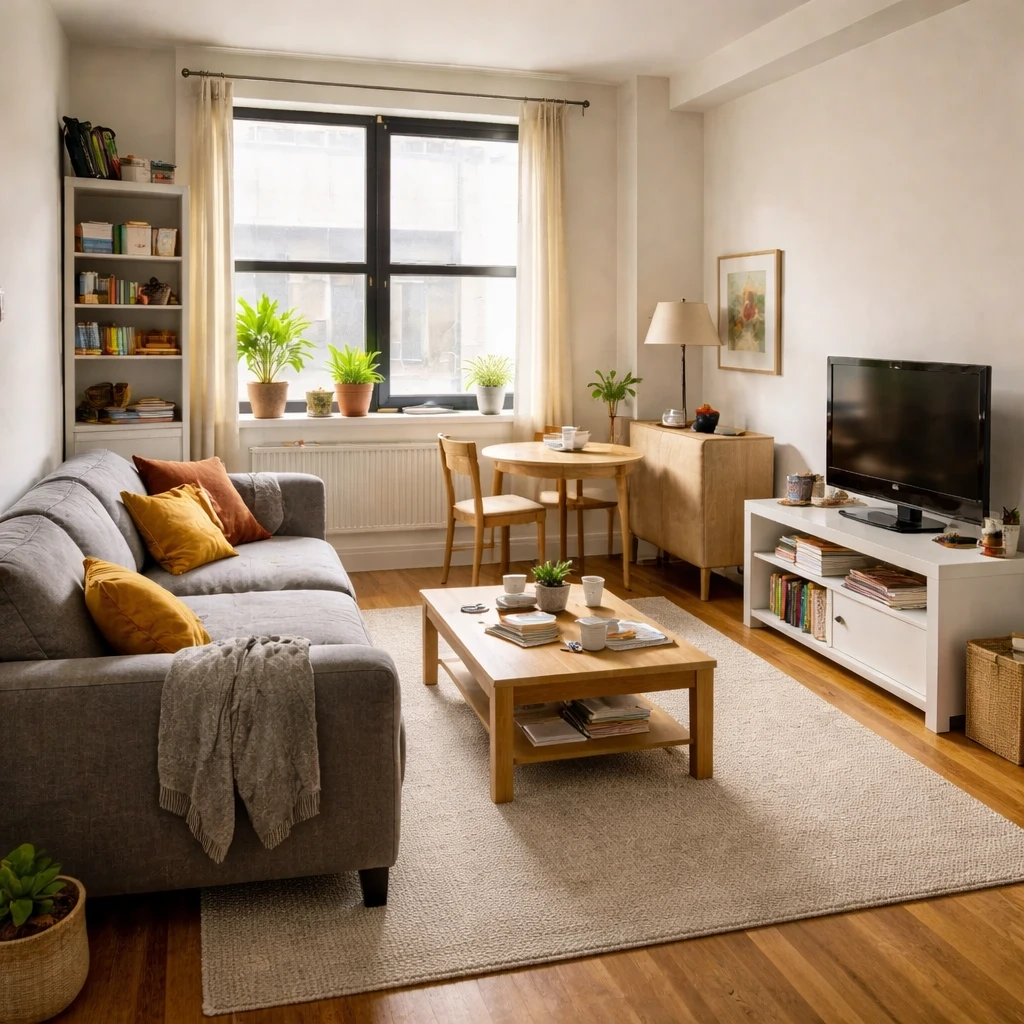
Apartment design requires working within constraints: limited square footage, landlord restrictions, and often shared walls. The best apartment designs work WITH these constraints rather than fighting them. Smart space planning often matters more than aesthetic choices—a well-planned small apartment outperforms a poorly designed large one.
Key strategies include: multifunctional furniture (storage ottomans, sofa beds, nesting tables), vertical storage solutions, keeping circulation paths clear, using light colors to expand visual space, and defining zones in open floor plans. The goal is a space that works for your actual lifestyle within apartment realities.
Budget-conscious approaches work well: prioritize changes with biggest impact (lighting, organization, key furniture pieces), shop secondhand smartly, and focus on textiles and accessories before major purchases. Your apartment can feel like a carefully designed home rather than a compromise—many design innovations came from solving apartment constraints creatively.
What smaller rooms need most
Rental design is best understood as a constraint discipline with a long memory. Lease language, security deposit risk, move-out obligations, and the real possibility of relocating again in twelve months all shape what makes sense to buy. That does not make rentals less worthy of design. It simply changes the value equation. The best rental rooms are built from moves that are reversible, portable, and disproportionately effective: lighting that softens landlord-grade fixtures, rugs that quiet ugly floors, furniture that can survive another stairwell, and storage that works in more than one future layout.
What renters should usually buy first is not decoration but infrastructure that belongs to them rather than to the unit. Lamps, curtains, quality rugs, adaptable shelving, and seating that can reconfigure in a new room are often wiser investments than unit-specific hacks. A good rental should feel intentional without pretending to be permanent. In practice that means solving layout and light before trying to add personality. Many rentals feel unfinished not because they lack styling, but because they still rely on one overhead bulb and a furniture plan inherited from whatever fit through the door on move-in day.
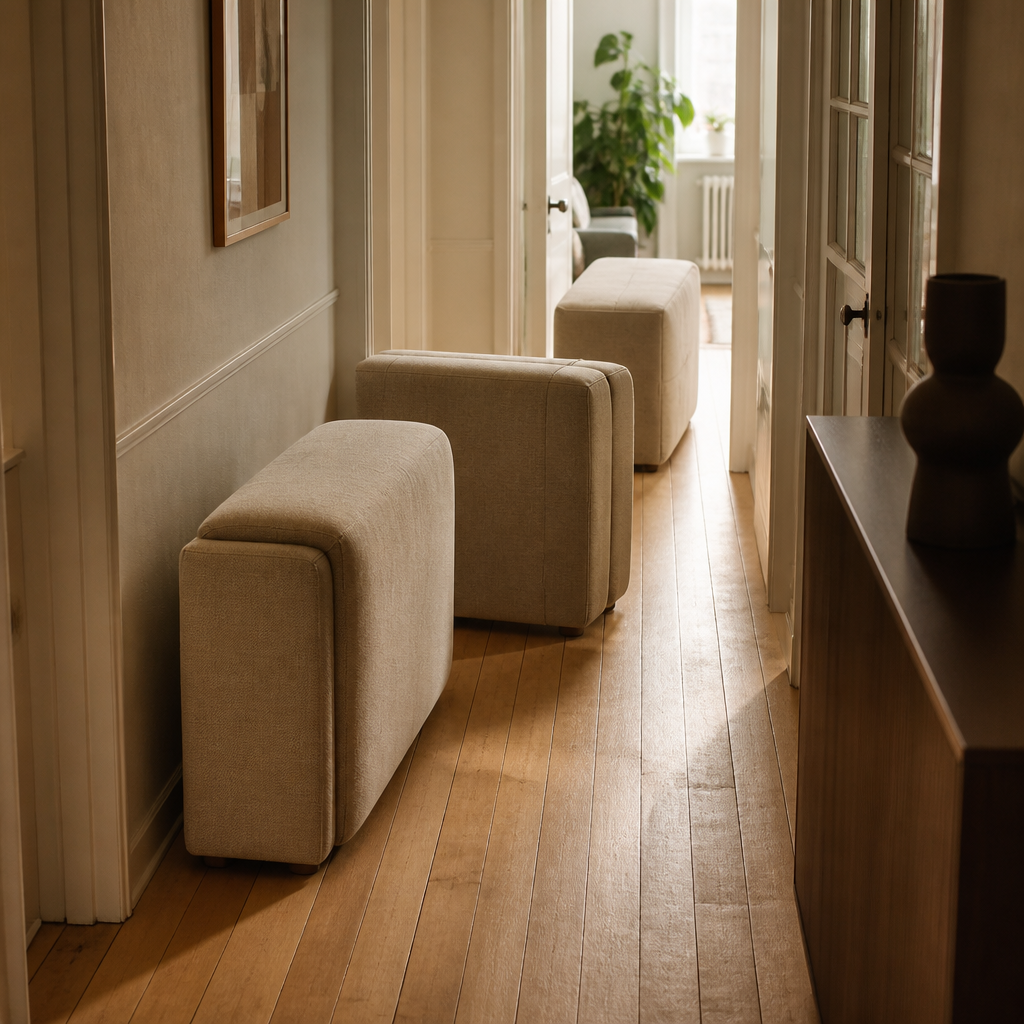
Portability is not a secondary concern here; it is part of design quality. Before buying anything large, measure door widths, stair turns, elevator interiors, and whatever route the piece must travel both now and later. A cheap sofa that cannot make the next move is not actually cheap. Modular seating, tables with removable legs, disassemblable shelving, and storage that can shift from bedroom to living room to office over time often deliver far better value than pieces chosen only for this exact address. The room may be temporary, but the money does not have to be wasted with it.
How to make the space work better
Measure the apartment shell and the access path
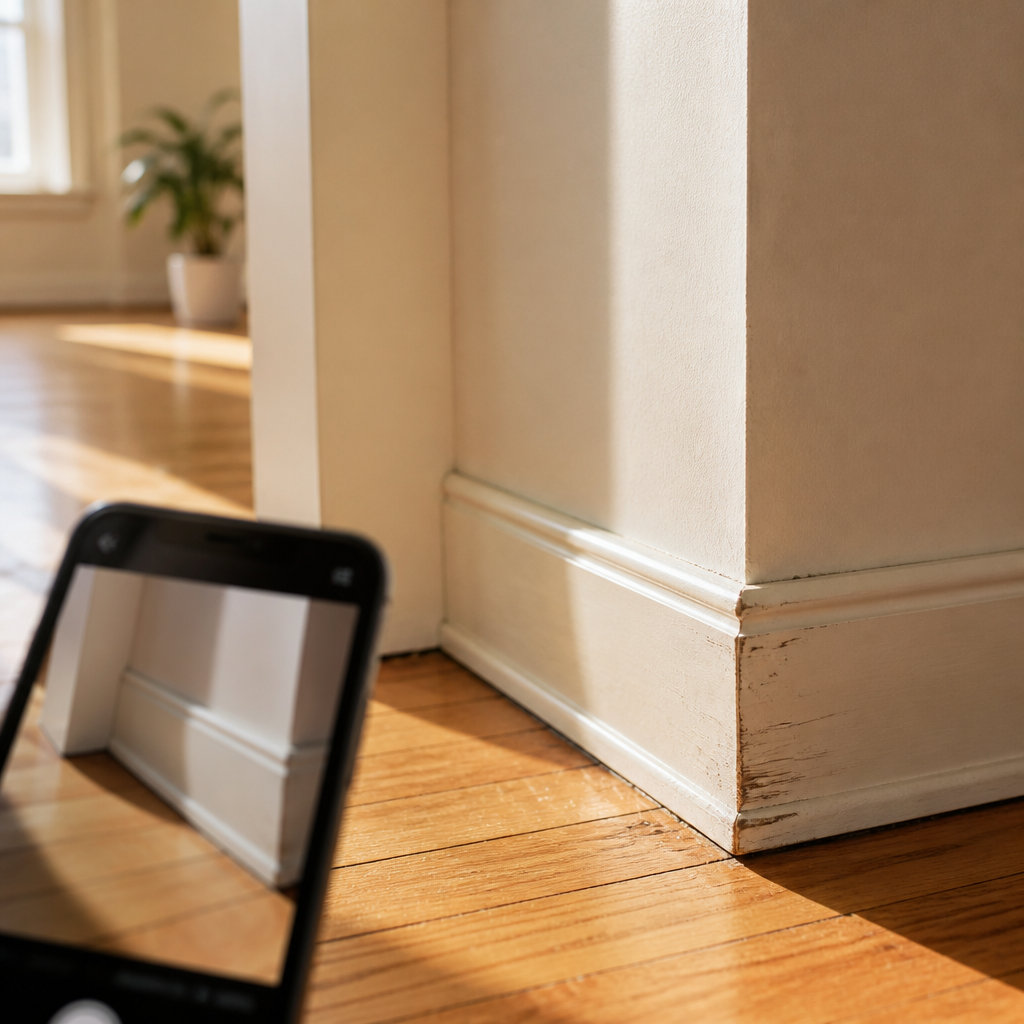
Record wall lengths, window positions, door swings, radiator locations, and the dimensions of entry doors, stairs, or elevators. Apartment planning fails early when the room is measured but the delivery path is not.
Decide which daily functions need their own zone
Most apartments need at least a clear sleeping, lounging, eating, or working logic even when rooms overlap. The layout should reflect what happens on an ordinary weekday, not just how you want the apartment to look when guests visit.
Scale anchor furniture to the real wall lengths
Choose the bed, sofa, or table that sets the room first, then make sure it leaves believable circulation around it. In apartments, one overscaled anchor usually creates every other layout problem.
Use lighting and rugs to separate functions
Floor lamps, table lamps, and rugs can define zones without consuming more square footage. This matters especially in one-bedroom apartments and open living-dining rooms where the architecture does not do the separation for you.
Add storage where clutter actually accumulates
Entry clutter, kitchen overflow, media equipment, and off-season clothing usually drive apartment disorder more than a lack of decorative baskets does. Solve the specific clutter points before styling the room further.
Spend in the order that protects flexibility
Lock the big pieces and the layout first, then refine lighting, textiles, and smaller furniture. Apartments feel more settled when the structure is right before the decorative layers arrive.
What usually makes compact rooms feel worse
Reversible upgrades should be selected with the move-out day in mind. Adhesive products, peel-and-stick finishes, and tension systems can be excellent, but only if they suit the wall condition, heat exposure, and humidity level of the room. The guiding question is simple: can this be removed cleanly without turning the final week of the lease into a patch-and-pray exercise? That mindset naturally favors textiles, plug-in lighting, and freestanding storage over anything that depends on hardwiring, drilling, or heavy adhesive commitment. Rentals reward strategic restraint, not low-grade improvisation.
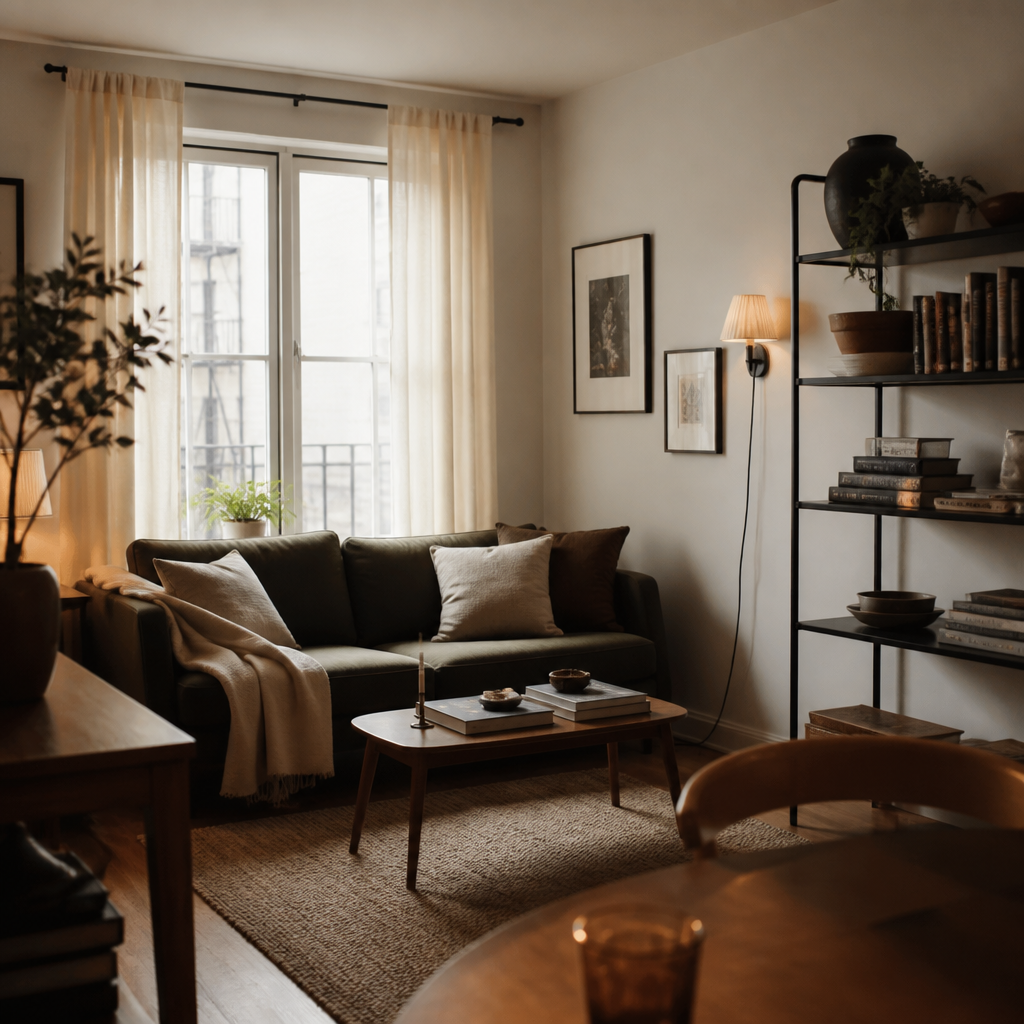
The strongest rental rooms feel settled because the renter has decided what is worth carrying forward. Good design in a leasehold space is not about mimicking ownership. It is about building a personal environment that performs now, protects the deposit, and leaves you with a better kit of furniture and lighting for the next home. When renters spend this way, the room becomes calmer, the move becomes easier, and the design improves from address to address instead of restarting every time.