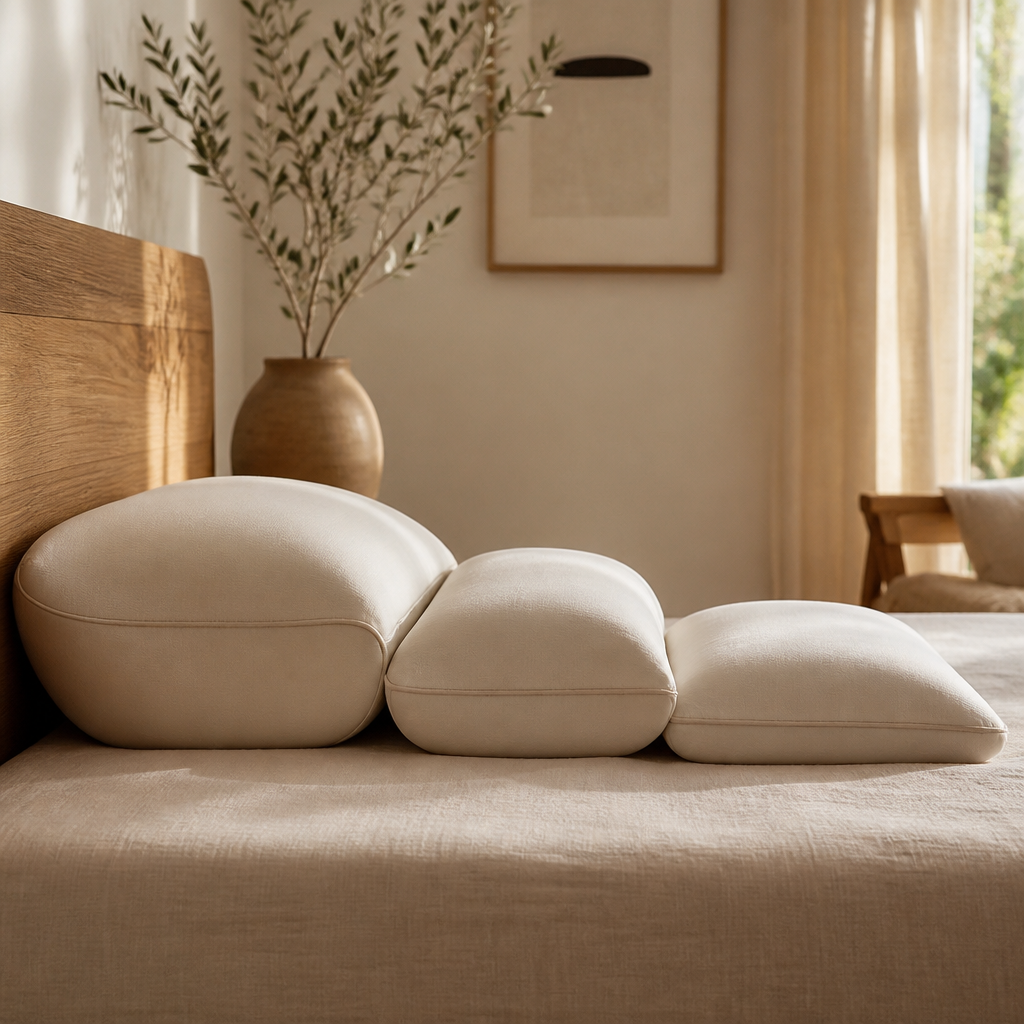
Bedroom style should be judged by how restful it feels at 10 PM, not just by how attractive it looks at noon. The strongest bedroom styles control visual noise, support softer light, and use materials that make the room feel settled rather than overstimulating. That is why some styles that photograph beautifully in living rooms feel strangely restless when carried into a bedroom unchanged.
Scandinavian and minimalist bedrooms tend to work well when the goal is calm, breathable space with very little visual friction. Cozy and layered traditional bedrooms usually suit people who want more softness, texture, and enclosure, especially in colder climates or larger rooms that otherwise feel empty. Modern bedrooms can be excellent when the room has good architecture and daylight, but they need warmth through textiles, wood, or lighting so they do not become emotionally flat.
A good bedroom style feels quieter than its inspiration board. It gives the room enough mood and identity to feel personal, while still letting the body relax into darkness, softness, and routine. If a style makes the room harder to put away, more visually noisy, or less comfortable to inhabit, it is the wrong style no matter how beautiful the references looked.
The rules that matter
Bedroom style should support sleep, comfort, and emotional quiet first. This guide compares style directions through those practical lenses rather than treating them as interchangeable decoration packages.
The useful questions are whether a style reduces visual noise, whether it supports softer light and texture, and whether it still works at the size and storage pressure of the real bedroom. Some styles help a room feel calmer immediately, while others require more space and stricter editing to stay restful.
How to work through the decision
Define what restful means in this room
Some bedrooms need softness and enclosure, others need visual calm and lightness. Start with the emotional tone the room needs at night, not just the look you like online.
Compare styles by light, texture, and visual noise
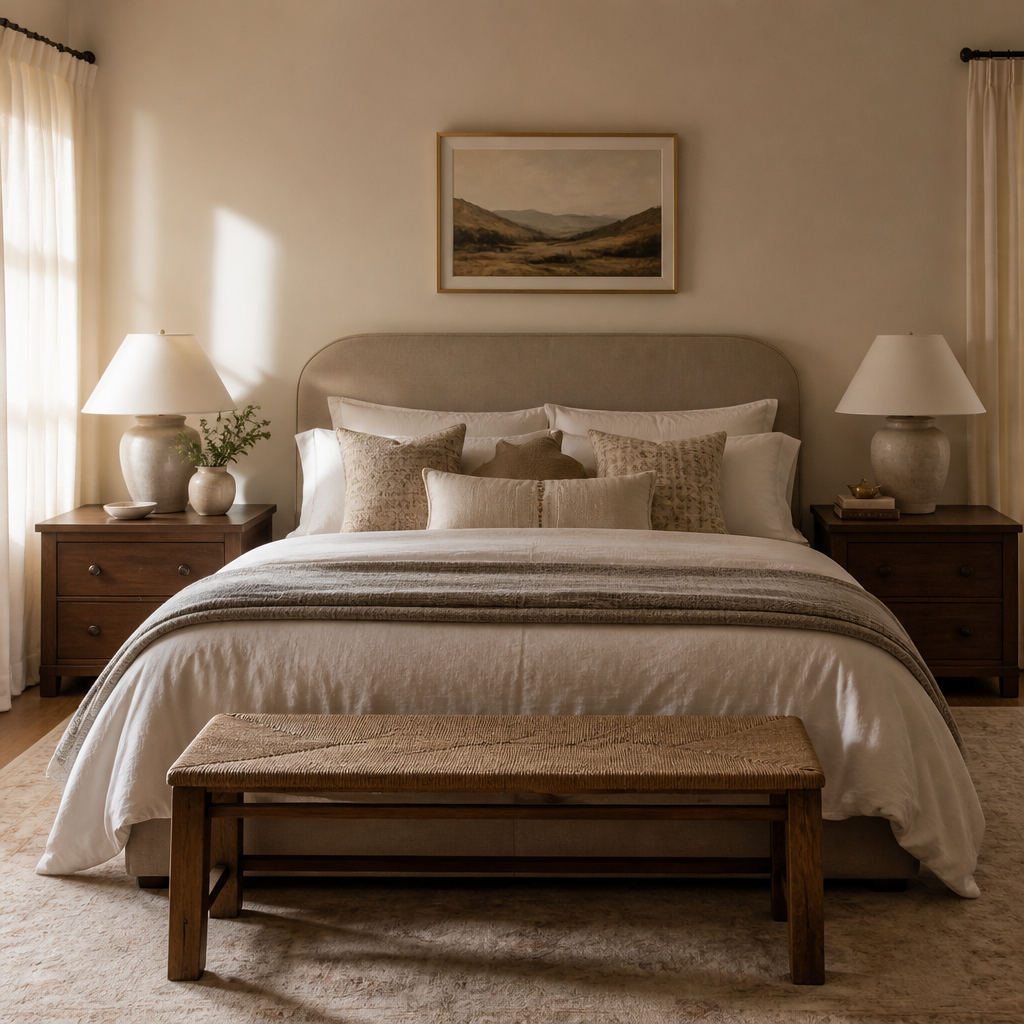
Minimal and Scandinavian rooms often feel calmer through restraint, while cozy, traditional, or luxury directions build restfulness through texture, drapery, and layered softness.
Check whether the room size supports the style
Heavier, more layered styles usually need more breathing room, while compact bedrooms often benefit from lighter furniture, tighter palettes, and fewer interruptions.
Match materials to the way the room is used
Bedrooms with pets, lots of storage, or frequent dressing routines may need more durable and simpler surfaces than a moodier inspiration image suggests.
Use lighting as part of the style test
Ask how each style wants the room to feel after dark. If the direction only works in daylight, it is not finished enough for a bedroom.
Choose the style that protects comfort best
The best bedroom style is the one that makes the room feel quieter, softer, and easier to unwind in without creating extra clutter or fuss.
Where people usually get it wrong
That comparison matters because bedrooms are used at the most sensitive hours of the day. A room that is too bright, too hard, too cluttered, or too performative stops feeling restorative no matter how attractive the references looked.
The goal here is to help readers choose a style that feels livable every night, not just photogenic once. A good bedroom style lowers friction and deepens comfort at the same time.