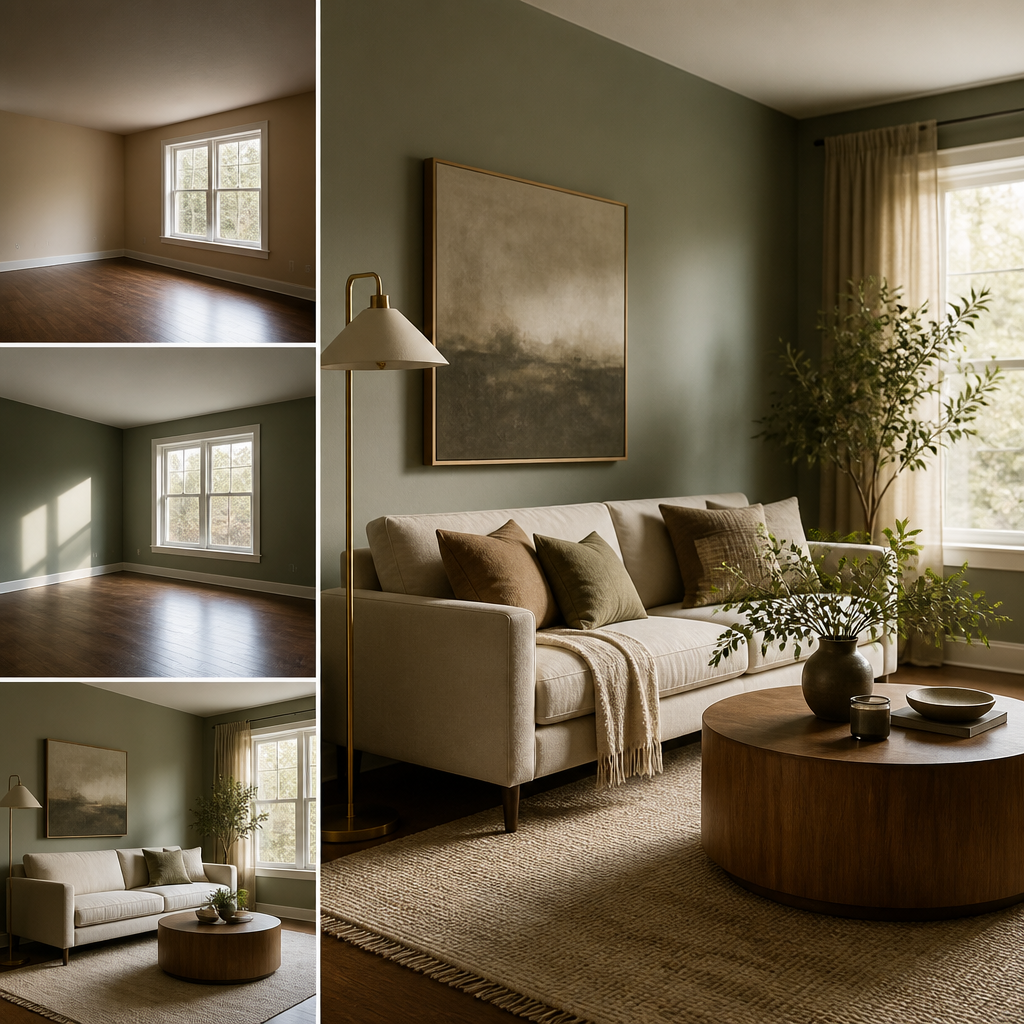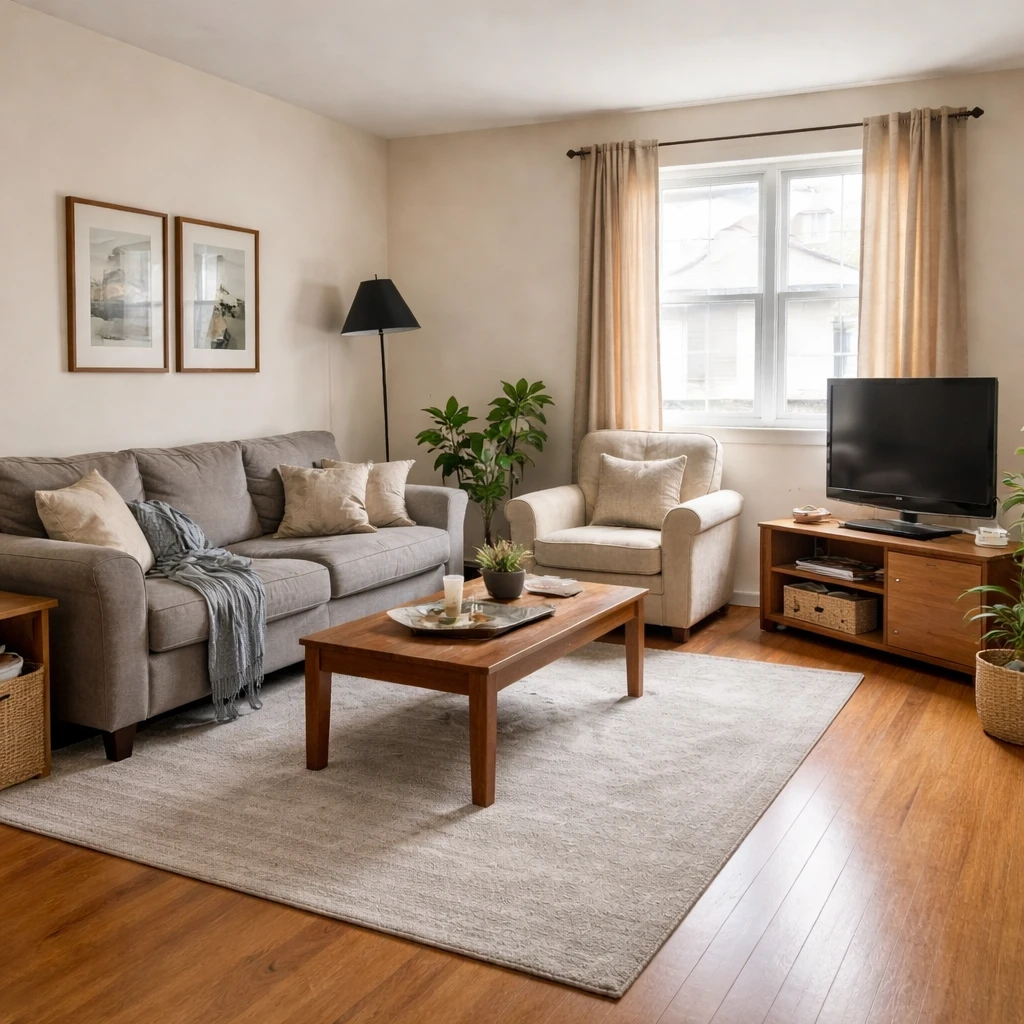
Budget interior design requires prioritization: focus resources where impact is highest. Good lighting transforms spaces more than new furniture; organization solves problems that decorating can't; a fresh coat of paint updates rooms at minimal cost. Understanding where to invest makes limited budgets go far.
Prioritization framework: invest most in high-use, high-impact items (seating, lighting, storage), moderate in medium-impact items (coffee tables, area rugs), minimally in low-impact decorative items. This ensures money improves your your daily life most.
Budget strategies include: shopping secondhand (quality vintage often outperforms cheap new), focusing on textiles and accessories before major purchases, DIY projects where skill allows, and waiting for sales. The goal is a great result, not spending a lot.
What matters most
Budget design is not the absence of standards. It is the disciplined allocation of limited money toward the decisions that change the room most. People overspend when they buy in the wrong sequence or confuse visible abundance with real improvement.
The strongest budget rooms usually come from prioritization: anchor furniture, usable lighting, and correct proportions first; decorative layers later. This approach creates spaces that feel more complete than rooms filled quickly with low-value purchases.
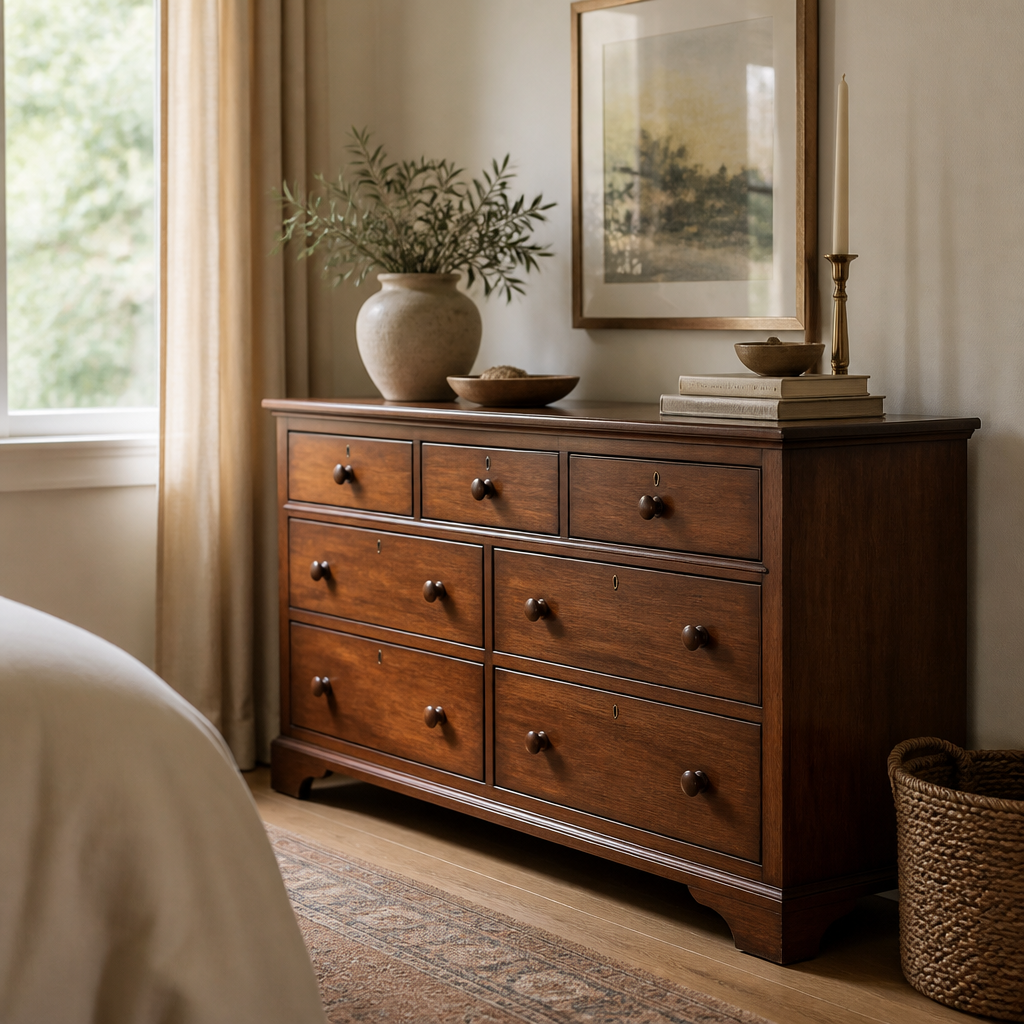
Understanding construction quality is especially important here. Two items can look similar in a photograph while performing very differently over five or ten years. Frame joinery, cushion density, abrasion ratings, and resale value matter because replacements are expensive too.
This guide helps readers think in terms of cost per year, cost per use, and sequencing rather than impulse savings. Good budget design should feel deliberate, durable, and calm rather than obviously constrained.
How to approach it
Set a hard ceiling before choosing anything
Budget design improves dramatically when the total limit is known in advance. Without that ceiling, even sensible rooms drift into mismatched purchases and scope creep.
Spend first on the highest-impact categories
Anchor furniture, rugs, and lighting usually shape the room more than small decorative items. Prioritize what changes proportion, comfort, and function most visibly.
Separate investment pieces from placeholders
Some items should last a decade or more; others only need to solve an immediate problem. Knowing the difference prevents overspending in the wrong places.
Compare total cost, not sticker price alone
Construction quality, maintenance, replacement cycle, and resale value matter. Cheap pieces can become expensive when they fail early or force duplicate purchases.
Work in phases
Complete the room in logical layers: layout first, major furniture second, lighting third, and accessories last. Sequencing protects the budget better than bargain hunting alone.
Leave contingency in the plan
Unexpected delivery costs, installation needs, or one indispensable upgrade often appear late. A budget without a buffer usually breaks at the end, not the beginning.
What to pressure-test
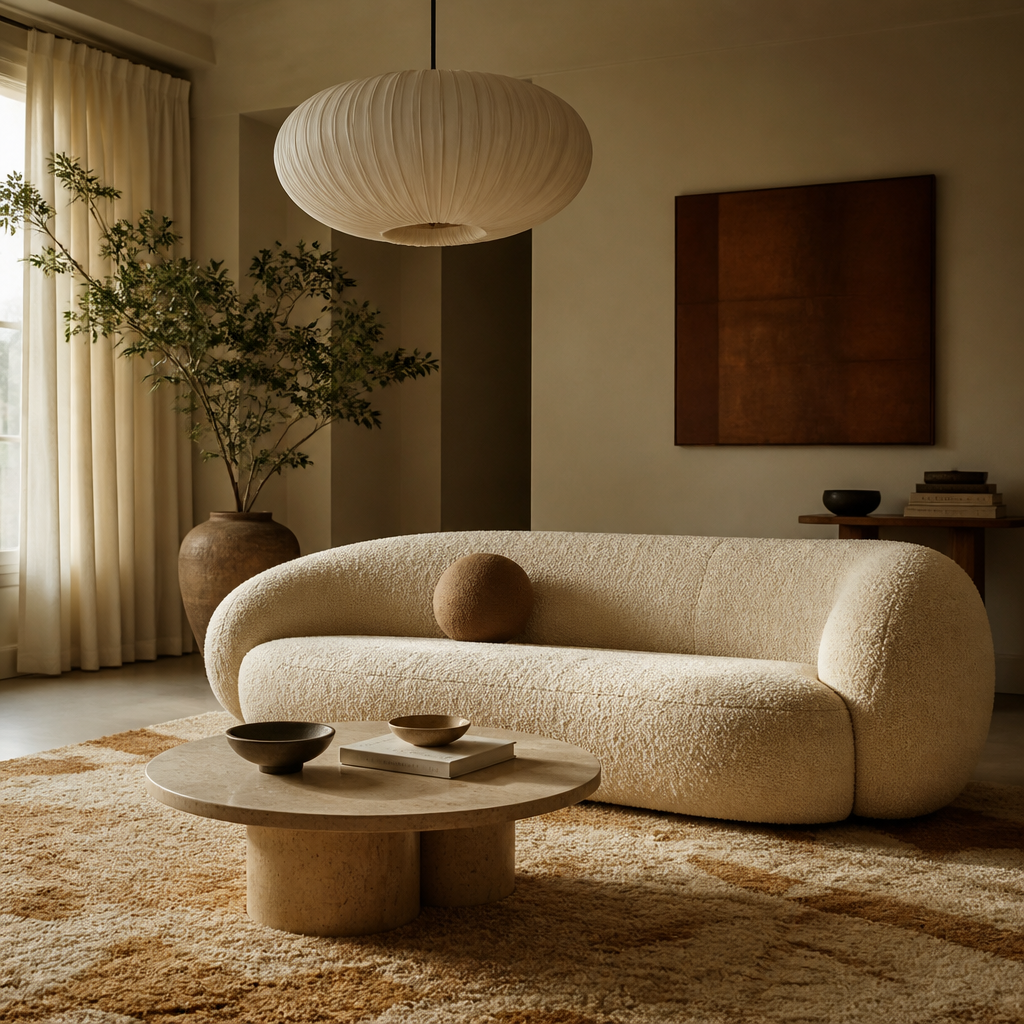
Conscious consumerism in furniture purchasing challenges the assumption that lowest upfront cost equals best value. The slow furniture movement, analogous to slow food, advocates for fewer, higher-quality pieces made from durable materials by skilled craftspeople rather than disposable items designed for obsolescence. Investment piece identification relies on evaluating construction methods: solid hardwood frames with corner-blocked joinery and eight-way hand-tied springs typically last 20 to 30 years, while engineered wood frames with sinuous wire springs may show structural failure within 5 to 10 years. Total cost of ownership calculations should include not only purchase price but also maintenance, repair, replacement frequency, and environmental disposal costs. A $2,000 sofa that lasts 25 years costs $80 per year; a $600 sofa replaced three times over the same period costs $72 per year but generates triple the waste and triple the delivery emissions.
Resale value distinguishes furniture as an asset rather than a pure expense. Mid-century modern originals, designer pieces from recognized manufacturers, and antiques with documented provenance often appreciate or retain significant value on secondary markets. Even contemporary investment furniture from reputable makers can resell for 40 to 60% of original purchase price through consignment or auction platforms, while mass-market furniture frequently resells for less than 10% or requires donation. Upholstery fabric grade also affects longevity and resale: fabrics rated above 30,000 Martindale double rubs maintain appearance through years of use, while low-grade synthetics pill and fade within months. By prioritizing construction quality, timeless proportion, and repairable design over trend-driven styling, budget-conscious consumers can build rooms that improve with age rather than deteriorating into replacements.