Sofa size is a room-fit problem before it is a comfort problem. The three measurements worth taking before you fall in love with any silhouette are wall length, walkway clearance, and the distance from the back of the sofa position to the nearest door swing or traffic route. Most rooms feel wrong not because the sofa is unattractive but because it is too deep for the conversation zone or too long for the wall it occupies.
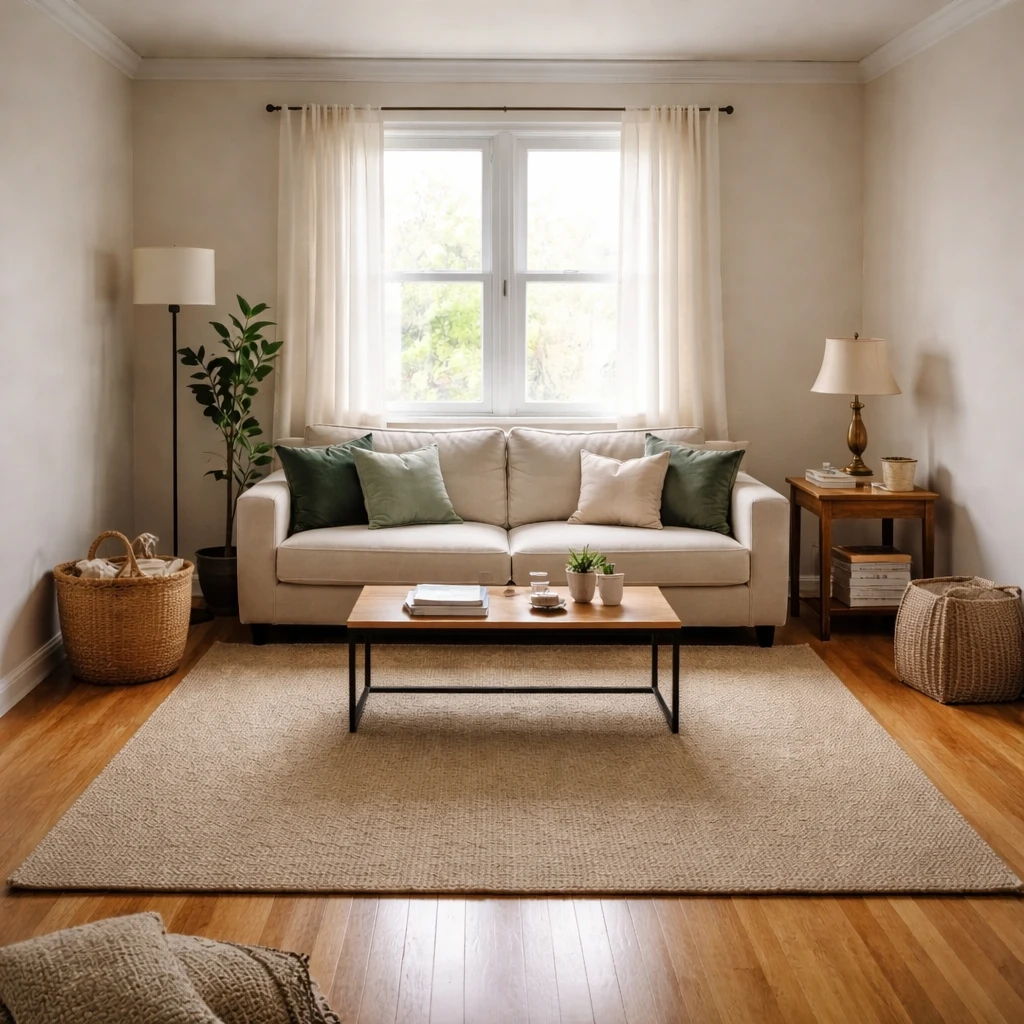
Width matters first. A standard three-seat sofa runs about 72 to 84 inches, which works well in most medium and large living rooms. Compact rooms or apartments often benefit from something closer to 60 to 72 inches, while a generous open-plan room might handle 96 inches or more. The useful test is not the tape measure alone: leave at least 30 to 36 inches of walkway behind the sofa and about 14 to 18 inches between the sofa edge and the coffee table so reaching a drink does not feel like yoga.
Depth is where comfort and room scale collide. A seat depth around 21 to 24 inches generally supports upright sitting and conversation. Deeper seats past 36 inches are better for lounging and sprawl, but they eat floor area and make a room feel smaller. Also check whether your feet reach the ground comfortably when sitting back. Seat height around 17 to 18 inches works for most adults, but shorter or taller users should test before committing. If buying online, measure every door, hallway corner, and stairwell the piece has to clear, and check the return policy before you check the price.
Beyond measurements, look at the frame. Kiln-dried hardwood and corner-blocked joinery are fundamentally different from stapled softwood and composite board. The same silhouette at $800 and $2,400 is never the same sofa. The first thing to fail is usually the cushion core or the suspension, so ask what both are made of. High-resilience foam around 2.0 pounds per cubic foot or higher will generally hold shape much longer than low-density fill. A good sofa is a ten-year decision, and the construction quality determines whether it is still comfortable in year five.
The rules that matter
Choosing a sofa well means treating it as the room's physical anchor, not just its style statement. Because the sofa often determines rug size, coffee-table spacing, lamp placement, and even wall art scale, it deserves stricter evaluation than almost any other furniture category. That evaluation should begin with the room itself: wall length, walkway clearance, and the way the piece will relate to the room's focal point. A sofa that is only a few inches too long can compromise an entire path, while one that is too slight can make the room feel tentative no matter how expensive the upholstery is.
Size should be selected by both width and depth, because depth is where many homeowners accidentally buy bulk instead of comfort. Loveseats around 60 inches may suit compact rooms, standard sofas around 72 to 84 inches fit many average living rooms, and larger sectionals require enough open floor to justify their dominance. Seat depth also changes how the piece feels: around 21 to 24 inches supports upright conversation for most adults, while deeper seats move the room toward lounging and may punish shorter users unless back cushions are substantial. The sofa's job should match the room's primary use, not just the showroom fantasy of endless Sunday naps.

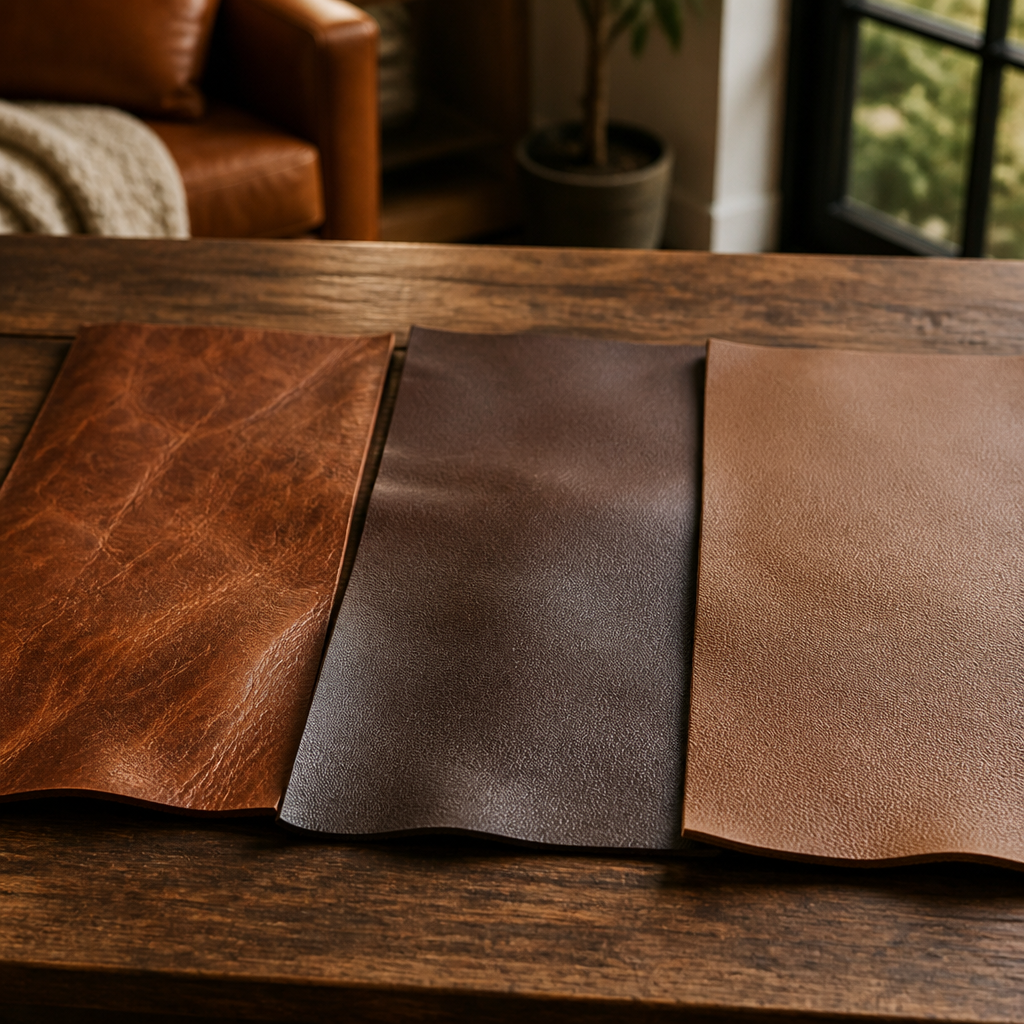
Construction quality is where the real long-term value lives. Frame material, suspension, and cushion density determine whether the sofa will feel settled in a good way or collapsed in a bad one after a few years. Kiln-dried hardwood, reinforced corners, and higher-density seat cores outperform stapled composite frames and low-density fill by a wide margin. Upholstery should also be chosen against actual life, not idealized life. Performance fabrics, durable leather grades, or other resilient materials make sense when pets, children, guests, or heavy daily use are part of the room. The wrong fabric in the right silhouette still becomes the wrong sofa.
How to work through the decision
Measure the room and the route before you fall for a silhouette
Record the wall length, walkway clearances, and the relationship to the room's focal point, then measure the path the sofa must take through doors, halls, stairs, or elevators. A piece that technically fits the room but cannot enter the home is not almost right; it is just expensive to return.
Choose the width and depth for the room's actual job
Use room scale and use pattern together. Loveseats around 60 inches can work in compact rooms, standard sofas around 72 to 84 inches suit many living rooms, and larger sectionals need enough floor area to justify their dominance. Depth matters just as much: shallower seats support upright conversation, while deeper ones favor lounging and can overwhelm smaller rooms or shorter users.
Sit for posture, not just for first impression
Test seat height, seat depth, and back support with your feet on the floor and your spine relaxed. Seats around 17 to 18 inches high and 21 to 24 inches deep work for many adults, but body height and how you actually use the room matter more than a spec sheet alone. If the sofa is for nightly lounging, test it longer than two showroom minutes.
Read the construction as closely as the fabric
Check frame material, suspension, and cushion density before comparing price seriously. Kiln-dried hardwood, reinforced corners, and higher-density seat cores behave very differently from stapled composite frames and low-density fill. If the product page hides the construction details, assume that omission is part of the story.
Match upholstery to the household's wear pattern
Choose the cover for the life it will actually meet: pets, children, guests, sunlight, denim friction, or low-traffic formality. Performance textiles, durable leather grades, or tightly woven blends often outperform pretty but fragile options in active rooms. The wrong upholstery will make the right sofa feel wrong within months.
Place the sofa first, then let the room take cues from it
Once the sofa is chosen, use it to set rug size, coffee-table spacing, side-table height, and lamp placement. This is why sofa selection comes early in the room plan. It is not one more purchase. It is the anchor decision that quietly determines whether the rest of the room feels coherent or improvised.
Where people usually get it wrong
Delivery logistics are the final reality check that too many buyers run last. Measure doors, hallways, stair turns, elevators, and whatever route the piece must take into the room. Confirm whether legs or arms are removable and whether the piece's tightest dimension will actually clear the narrowest point of entry. A sofa that cannot enter the home or fit the room with sensible circulation is not a near miss. It is simply the wrong choice discovered too late. A good sofa should satisfy the body, the room, and the route that gets it there.