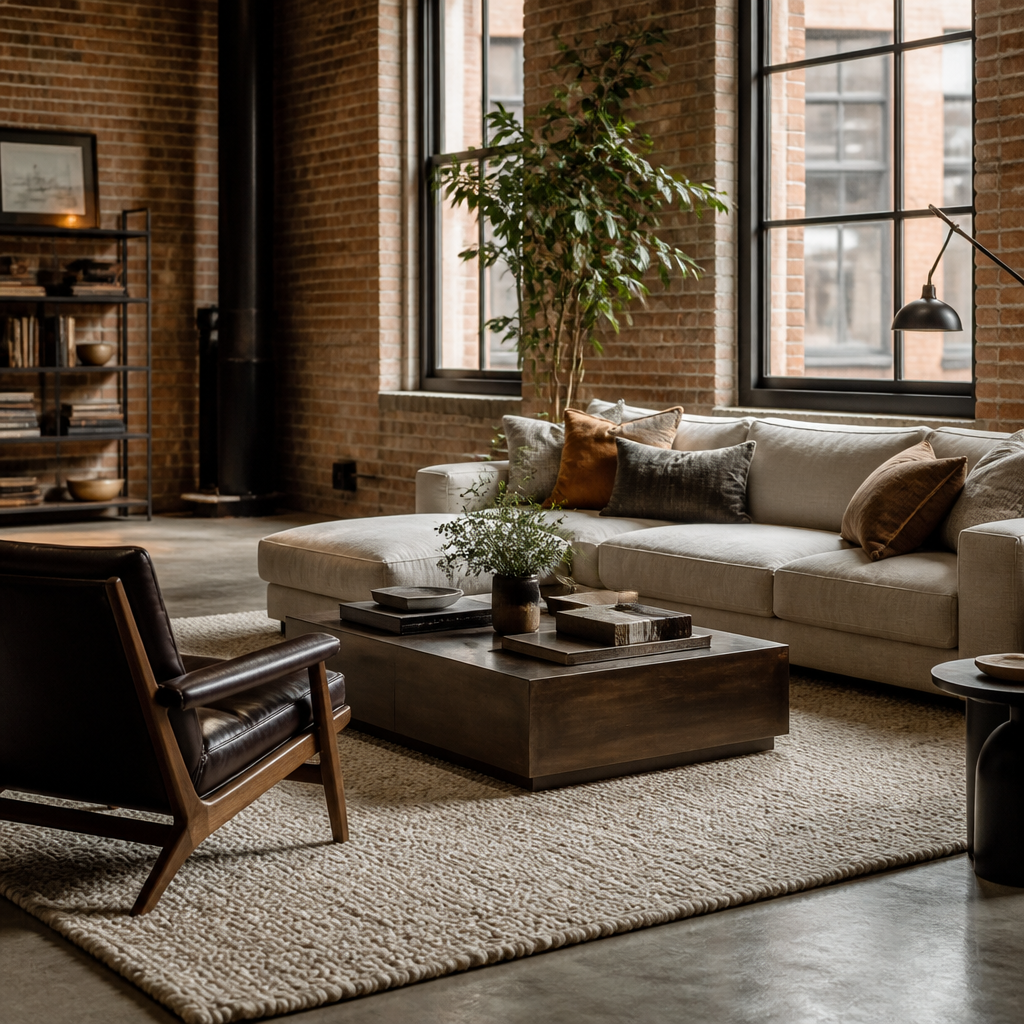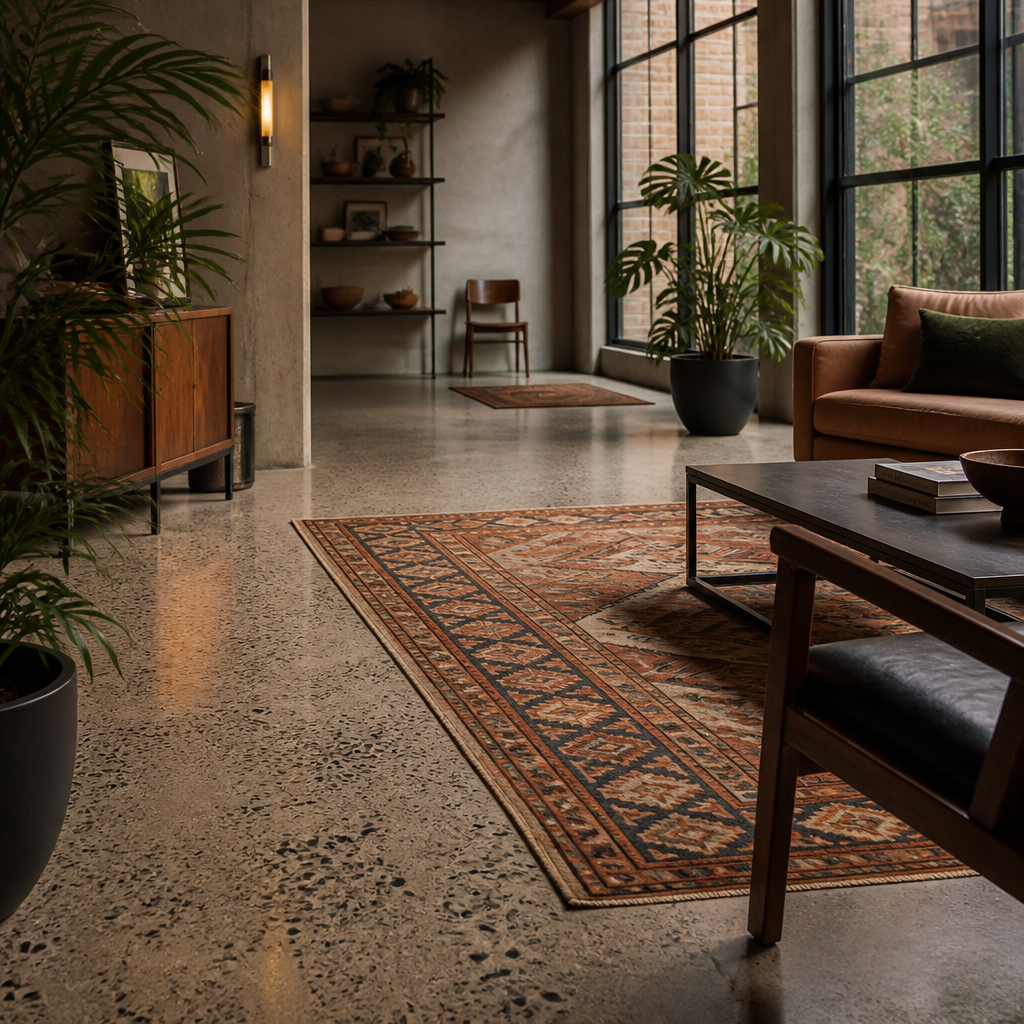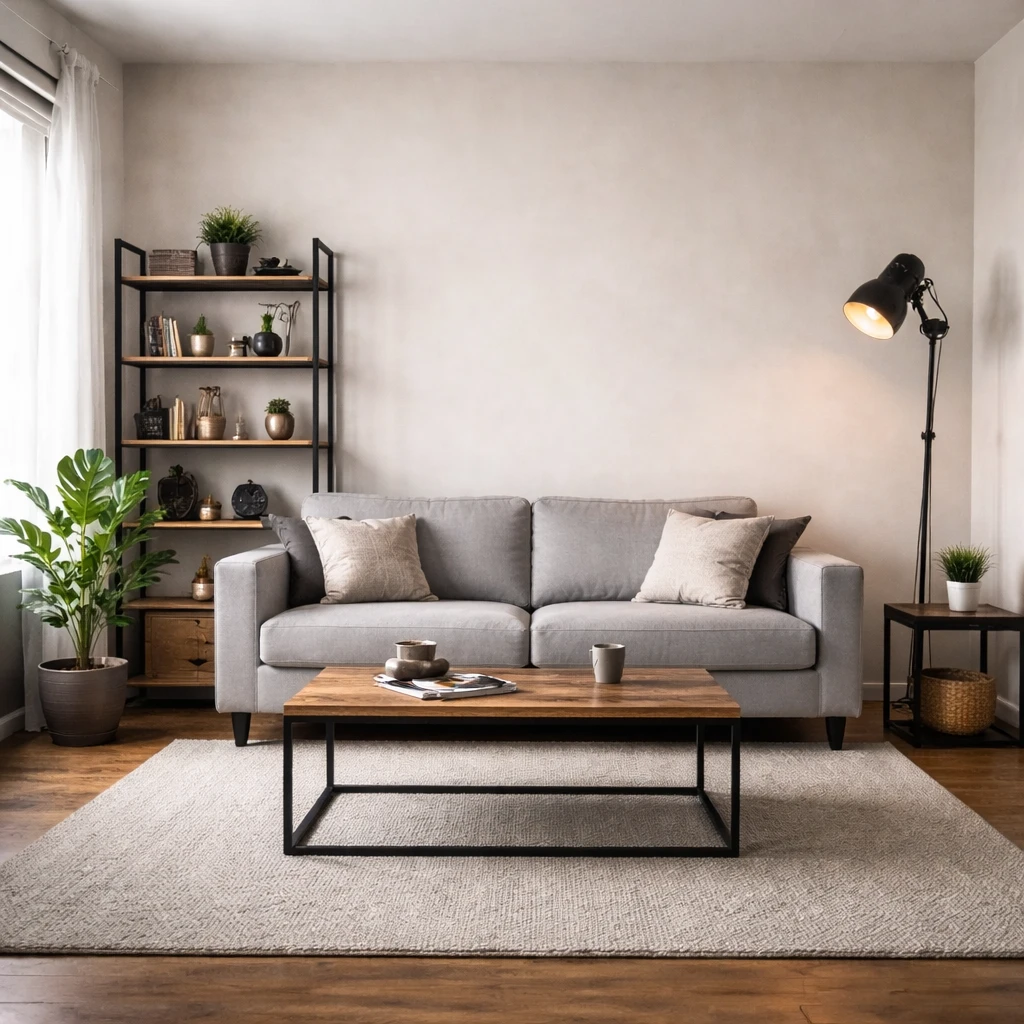
Industrial design celebrates the beauty of raw, unfinished materials and exposes structural elements. It originated from converting warehouses and factories into living spaces—the aesthetic emerged from necessity, not trend. Understanding this helps execute the look authentically: it's about showcasing what's typically hidden, not creating artificial roughness.
Key elements include: exposed brick walls, ductwork and pipes, concrete floors, steel beams, salvaged wood, and vintage factory or commercial equipment. Furniture often features metal frames, reclaimed wood, and utilitarian designs originally created for work, not home use. The palette tends toward neutral with warm wood tones providing contrast.
Balance is essential in industrial spaces. Too much raw material feels cold and unwelcoming; well-executed industrial design feels urban-chic and inviting. Soft textiles (area rugs, upholstered furniture, draped curtains) add warmth. Plants provide life against hard surfaces. Lighting choices matter enormously—industrial fixtures can look stark without warm bulbs or softer light sources.
What defines the look
Industrial interior design is not a style invented by decorators. It is a condition created by economic necessity. In the 1960s and 1970s, artists in New York's SoHo district moved into abandoned manufacturing buildings because the rent was cheap. They did not decorate; they adapted. Exposed brick was not a choice; it was what remained when plaster was stripped. Metal beams were not a feature; they were structural. The aesthetic that emerged was not designed; it was discovered, and it remains most convincing when it acknowledges this origin honestly rather than applying faux finishes to new construction with no industrial history.
Material selection in industrial interiors includes raw steel, reclaimed wood, and concrete. Original steel windows, common in pre-1940 industrial buildings, require restoration rather than replacement to maintain thermal performance, typically involving lead abatement, welding of deteriorated frames, and installation of interior storm panels. Polished concrete floors involve mechanically grinding existing slabs through progressively finer diamond abrasives, then applying densifiers that react with calcium hydroxide to increase surface hardness by up to 40 percent. Leather upholstery develops a patina that records use, complementing the honest wear of surrounding materials. Balancing raw with warm is the central challenge: a large area rug for acoustics and underfoot warmth, pendant lighting at 2200K that references early electrical illumination, and textiles that prevent the space from feeling like a workshop or a bunker.
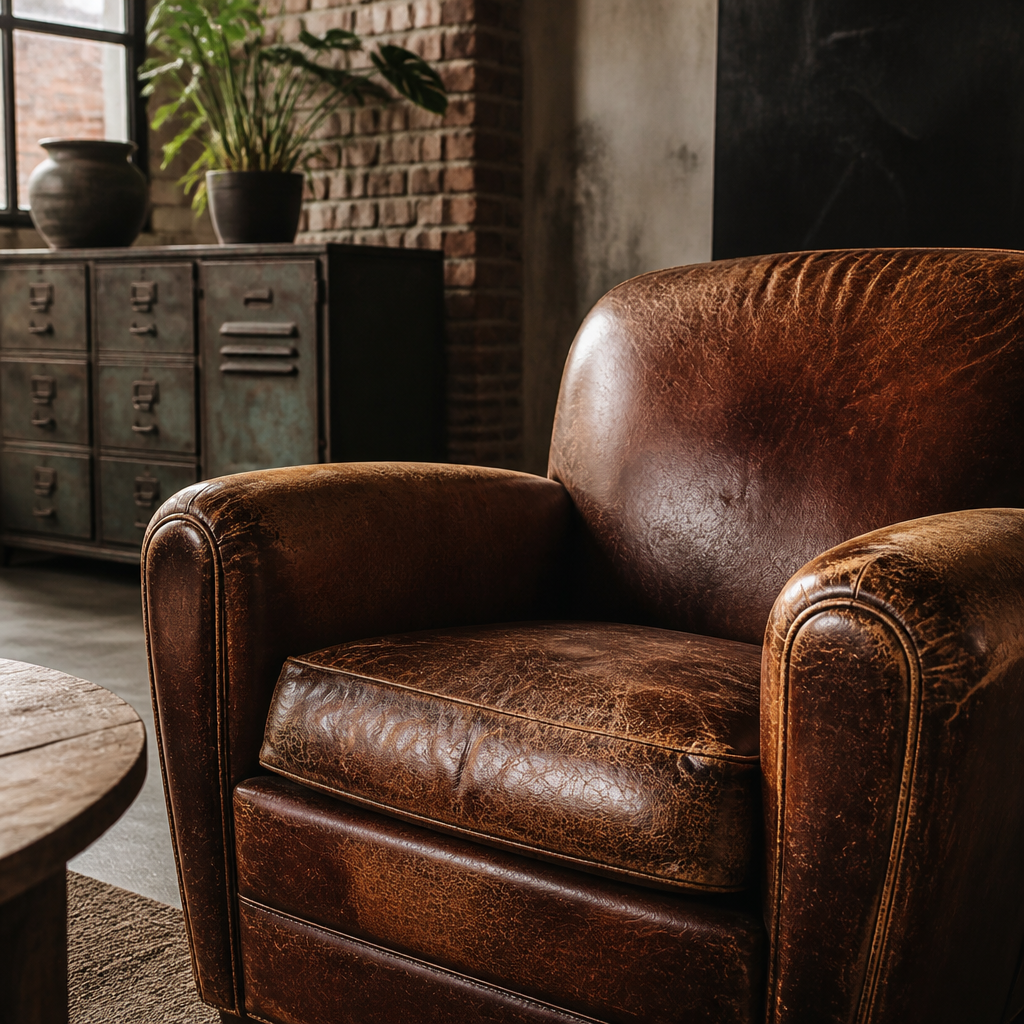
Adaptive reuse architecture, the discipline of converting industrial structures for new residential functions, operates under specific technical standards. Warehouse conversions must address floor load capacities originally engineered for heavy machinery, often requiring structural assessment before residential use. Exposed ductwork must comply with HVAC standards for air distribution and noise reduction. Spiral ductwork can reduce pressure loss by up to 45 percent compared to rectangular systems. For residential spaces without original industrial features, the honest approach is to work with what actually exists: concrete slab floors, steel or timber structural elements, and large windows where available, rather than applying decorative brick wallpaper and faux industrial hardware.
How to apply it well
Begin with the room's actual structural character
Identify what is genuinely industrial in the shell, brick, concrete, steel, ductwork, large openings, and let those elements lead instead of trying to disguise them. If the room lacks those features, do not counterfeit them aggressively. Apply the style through honest furniture, lighting, and material choices instead.
Choose furniture that looks materially truthful and durable
Steel frames, plain wood, leather, and canvas work because they look as though they can be used hard and age with dignity. Avoid pieces that mimic distress or industrial ruggedness without the actual structure to back it up. In this style, false texture weakens the whole room quickly.
Warm the shell intentionally so it does not feel abandoned
Industrial rooms need a controlled amount of softness, rugs, upholstery, drapery, or other absorptive elements, to prevent coldness and echo. The balance matters. Too little softness and the room feels hostile; too much and the architectural honesty disappears under domestic padding.
Use task-oriented lighting with visible purpose
Select pendants, task lamps, and other straightforward fixtures that clearly serve the surfaces beneath them. Let exposed bulbs or metal shades work only where glare is controlled and the light supports use. Industrial lighting should read as useful first and atmospheric second, even when it is beautiful.
Keep the palette rooted in the materials themselves
Let brick, concrete, steel, leather, and timber generate most of the color, then add one restrained accent if the room still needs it. Industrial style becomes less convincing when too many decorative colors are laid on top of the natural material palette instead of growing from it.
Plan the room like a workspace that learned comfort
Preserve open movement, clear purpose, and enough empty floor that the room still feels structurally legible. If a piece has no obvious role or interrupts the shell's line of sight, it is probably unnecessary. Industrial spaces look best when the plan still remembers they came from work rather than display.
What makes it feel forced
Common mistakes include making an industrial space feel abandoned rather than curated, which happens when raw materials are left completely untreated and lighting is insufficient to illuminate work surfaces. Another error is over-polishing: grinding concrete to a mirror finish, powder-coating steel to eliminate texture, or sealing wood so heavily that grain disappears. Industrial design should feel honest and functional, not derelict and not sanitized.