Luxury interior design isn't about expensive tags—it's about quality, craftsmanship, and attention to detail. True luxury is invisible: smooth drawer glides, consistent material grain, balanced proportions, and thoughtful lighting that makes everything look better. It's possible to achieve luxury looks at various price points by prioritizing where it matters most.
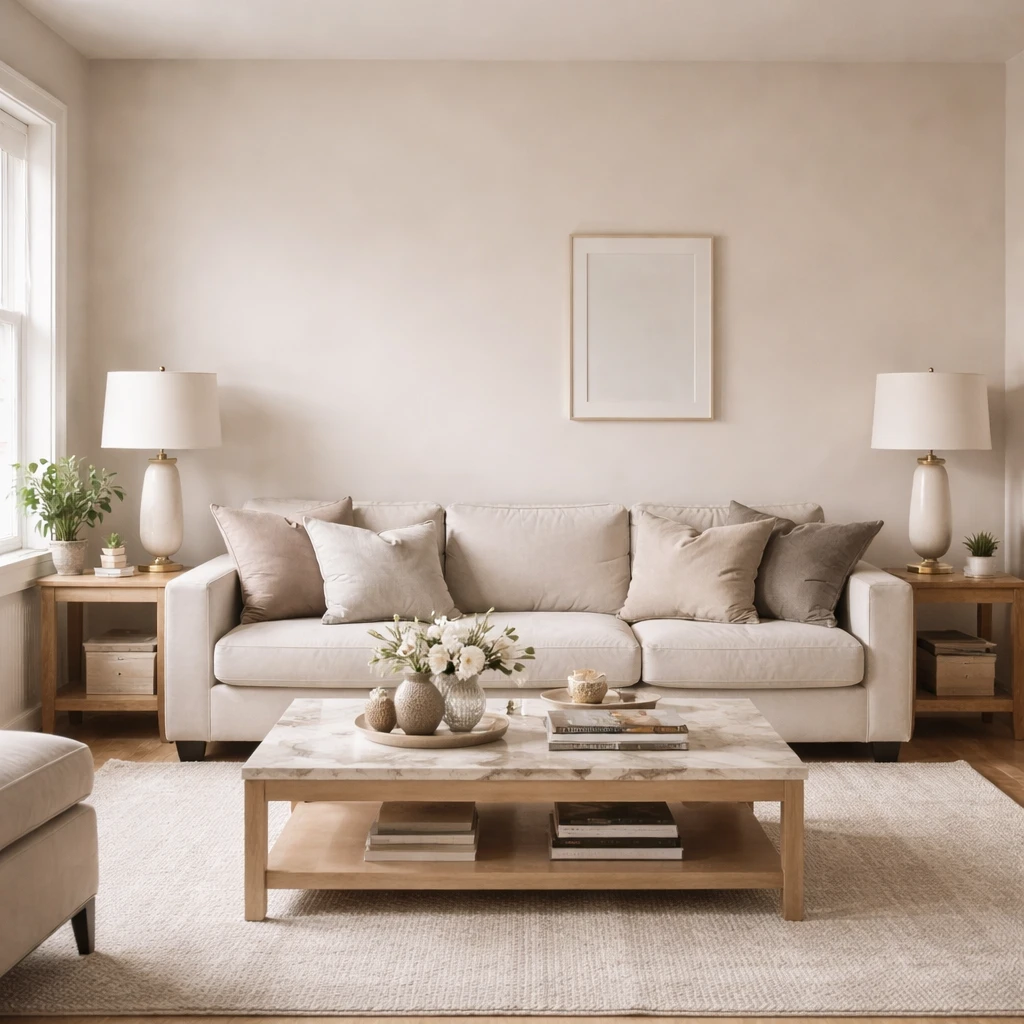
Key characteristics include: quality materials (marble, solid wood, fine textiles), custom or built-in furniture, coordinated color palettes (typically neutral with carefully chosen accents), architectural details (crown molding, wainscoting, coffered ceilings), and layered lighting with architectural and decorative fixtures. Everything should feel intentional and cohesive.
The most important investment areas are: seating (since you touch it daily), lighting (which transforms everything it touches), and materials in high-touch areas. Luxury is also about space—large rooms feel luxurious because of proportion, not just expensive furniture. If your space is small, focus on quality over quantity and maintain visual consistency throughout.
What defines the look
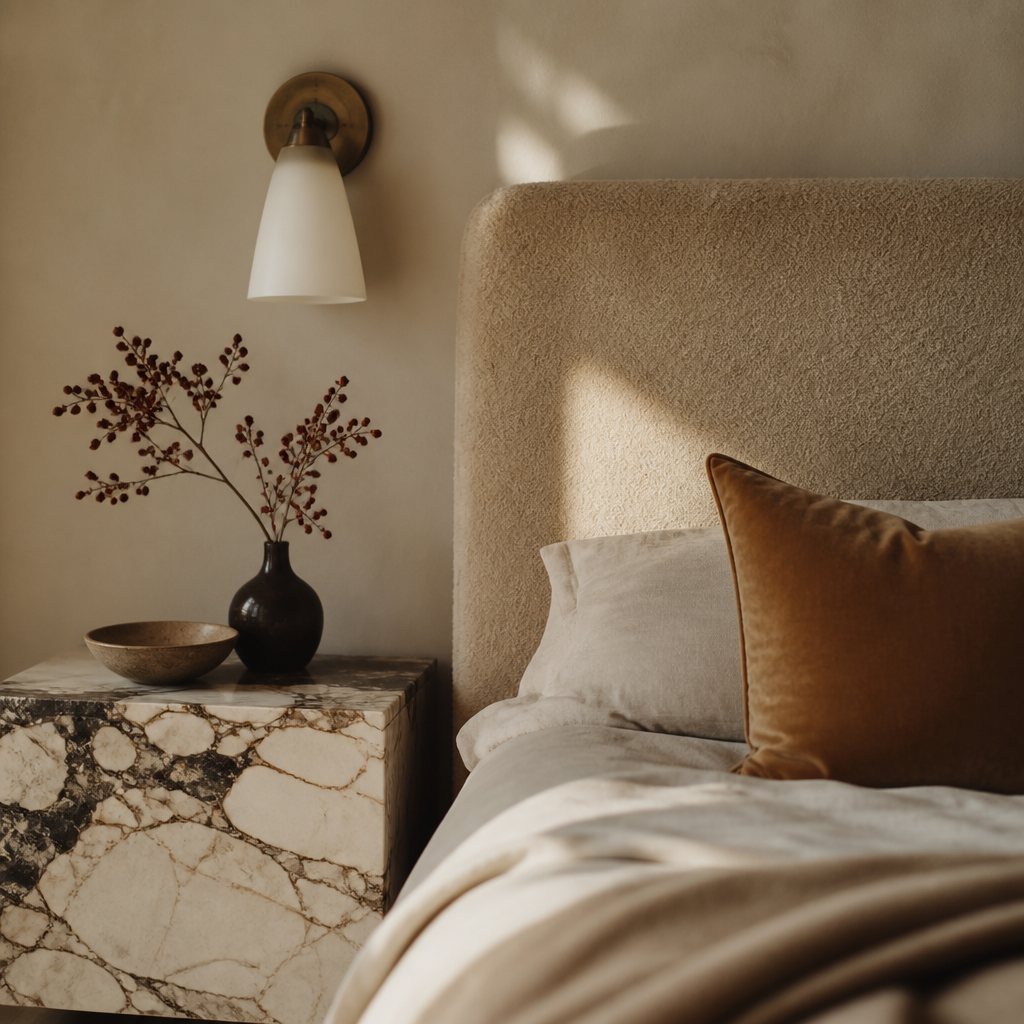
Luxury in interior design is not about price. It is about specificity. A luxury room feels considered because every element has been chosen for a reason: the velvet upholstery has a specific nap direction that catches light consistently, the marble has been selected for veining that complements the room's proportions, the lighting has been calculated to eliminate shadows at face height. These are not expensive accidents. They are deliberate choices made by people who understand that luxury is the absence of compromise.
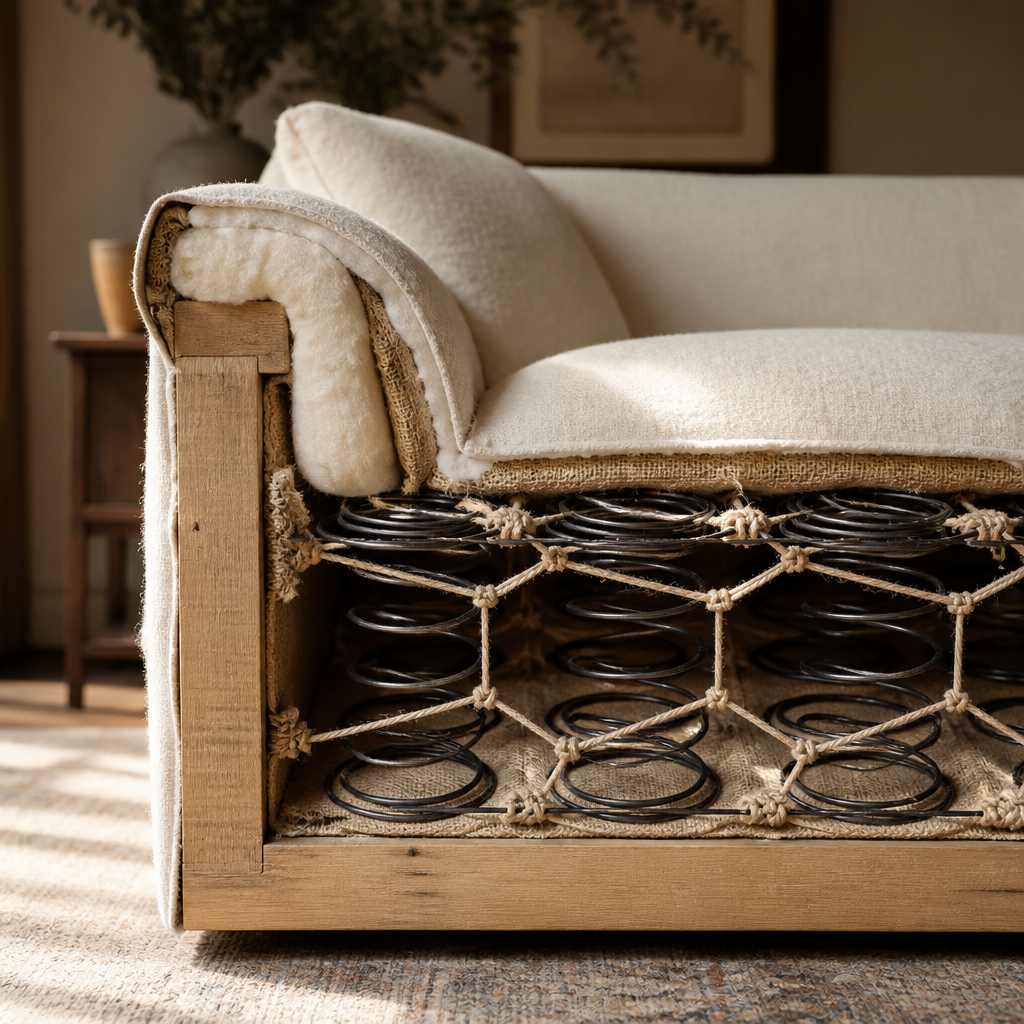
Bespoke craftsmanship distinguishes luxury from premium. Eight-way hand-tied spring construction, considered the gold standard in upholstered seating, involves tying each coil spring to its eight neighboring springs with waxed linen cord in a process that takes a skilled craftsman approximately eight hours per sofa. This interdependent network distributes weight across the entire frame, preventing the sagging that occurs when springs are attached individually to webbing. Material specification follows rigorous grading: mohair offers a Martindale abrasion resistance of 40,000 to 60,000 rubs while maintaining a distinctive luster; Carrara marble features soft, feathery veining at $40 to $60 per square foot for slabs, while Calacatta marble displays bolder veining and commands $150 to $250 per square foot; brass develops a natural patina through oxidation of its copper content, transitioning from bright gold to brown over decades.
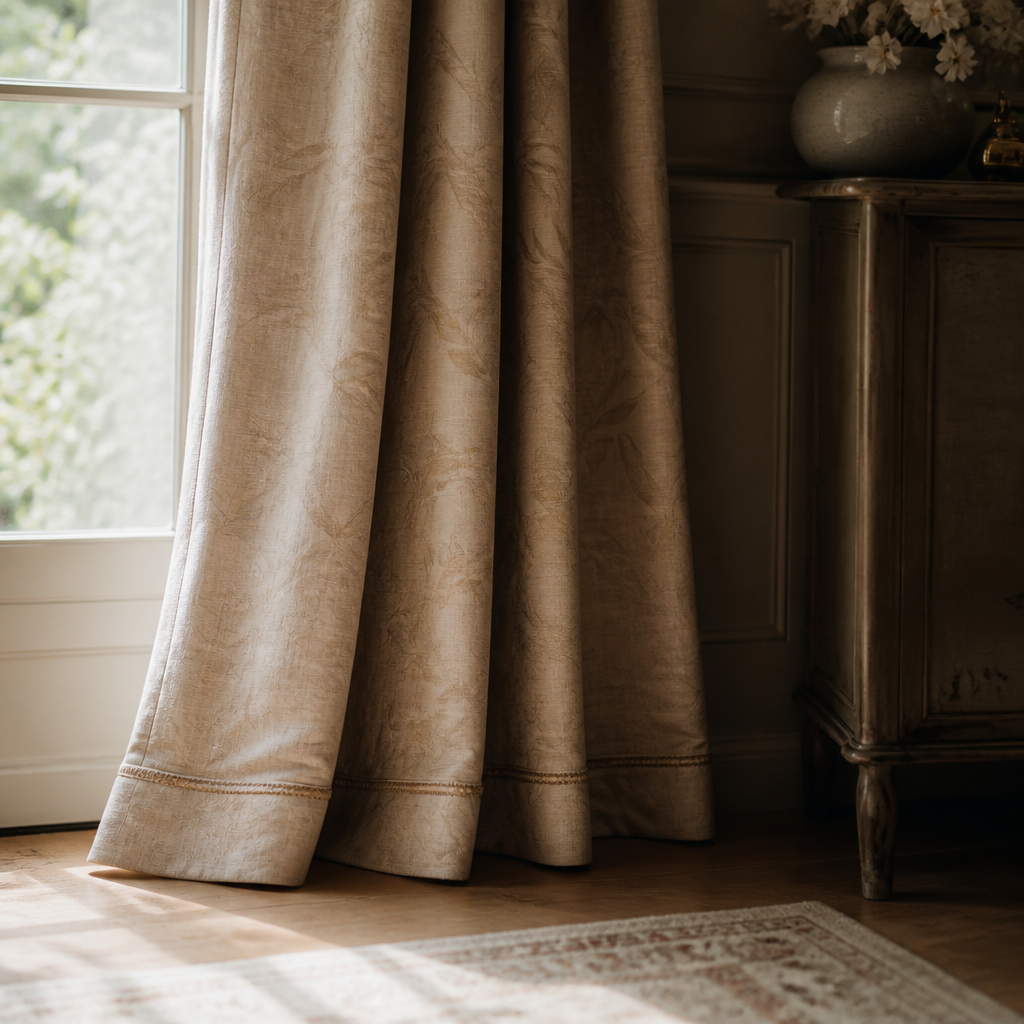
Lighting craftsmanship in luxury interiors eliminates what most rooms tolerate: shadows under the chin, hot spots from single sources, and color distortion from cheap fixtures. Professional lighting calculations use the lumen method to determine fixture quantity and placement based on room dimensions, surface reflectance, and intended activity. Baccarat crystal, containing 32 percent lead oxide, achieves exceptional light refraction. Murano glass, produced on the Venetian island since 1291, involves lampworking and glassblowing techniques that require temperatures of 1,400 degrees Celsius and years of apprenticeship. These materials matter not because they are expensive but because they perform measurably better at creating the even, flattering illumination that makes a room feel effortlessly comfortable.
How to apply it well
Begin by removing visual noise rather than adding price
Luxury rooms usually read as calm first and expensive second. Clear away redundant accents, unnecessary furniture, and competing focal points until the room feels composed. If the eye is busy, no amount of expensive material will produce the sense of ease luxury depends on.
Put the money where the hand and eye linger longest
Invest in anchor upholstery, dining tables, beds, and the major surfaces people sit on, touch, and inspect up close. This is where frame quality, suspension, leather grade, stone selection, joinery, and hardware finish actually earn their cost. Small accessories matter far less than the pieces that define the room's tactile standard.
Control the palette so material quality can lead
Use a limited set of tones, often two or three neutrals plus one accent and one metal family, so the craftsmanship and finish depth can register cleanly. Luxury weakens quickly when color variety starts doing the work that proportion and material were supposed to do.
Build a layered lighting plan with independent control
Luxury rooms need enough light for cleaning, enough mood for evening, and enough precision for reading or dining, which means separate layers and dimming are essential. One overhead switch is nearly always too blunt. The room should be tunable in small increments, not just bright or dim as a single event.
Choose materials for how they age, not only how they debut
Use finishes that gain depth through use, natural leather, unlacquered metals, quality stone, solid timber, so the room improves rather than simply wears down. If a material depends on perfection at install day and then declines visibly, it rarely supports long-term luxury well.
Specify the details others would leave to default
Refine outlet locations, hinge finishes, trim transitions, stone joints, lamp shade heights, and other small decisions that ordinary rooms accept passively. Luxury often lives in these quiet calls because they eliminate tiny visual and practical frictions before anyone has to notice them.
What makes it feel forced
The most common mistake in luxury interiors is screaming for attention rather than sighing with relief. This happens when every surface is highly reflective, when competing focal points fight for dominance, or when expensive materials are used indiscriminately rather than strategically. Another error is prioritizing brand recognition over quality: a logo-printed textile or mass-produced furniture line may cost more than a lesser-known artisan piece of superior construction. True luxury creates an environment where occupants feel effortlessly comfortable, not constantly reminded of how much was spent.