See Furniture in Your Room
Use visual fit checks to judge furniture scale, placement, and proportion before ordering.
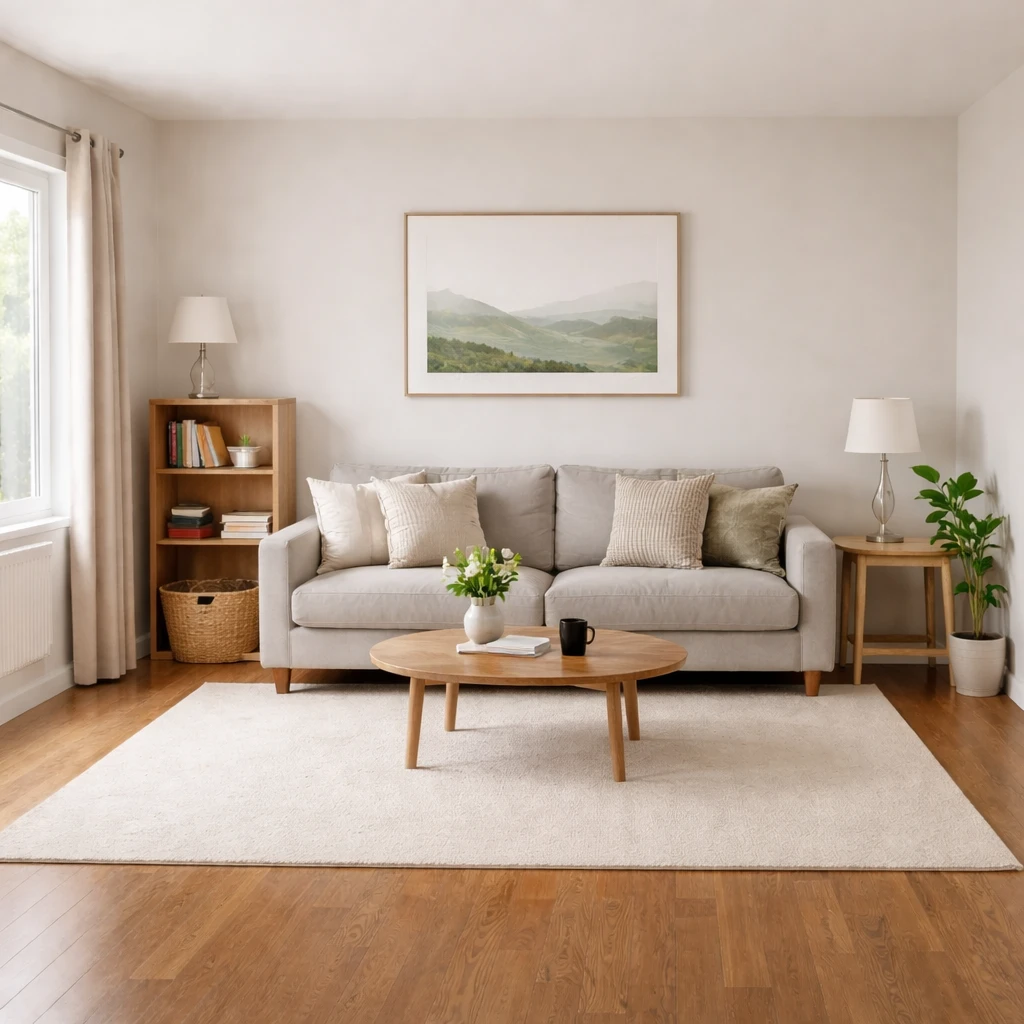
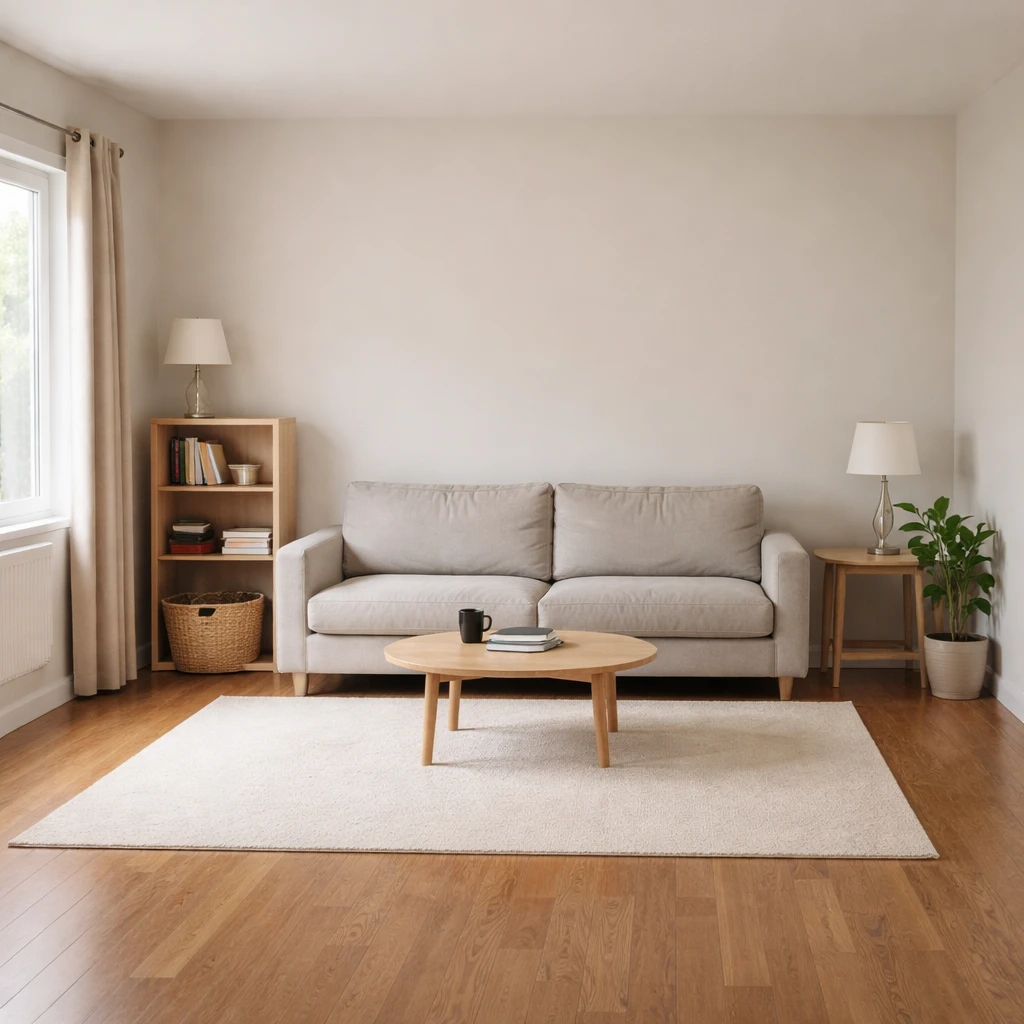
See Furniture in Your Room
Drag to compare
Showrooms are designed to make furniture look good. Twenty-foot ceilings, track lighting calibrated to specific color temperatures, polished concrete floors that reflect light, and no clutter from daily life. Your room has eight-foot ceilings, carpet or wood floors with wear patterns, and the accumulated reality of actual habitation. This is why the sofa that looked magnificent in the store dominates your living room or the dining table blocks the hallway. Scale and context determine everything.
Furniture selection is really a problem of proportion, reach, and material performance. A 96-inch sectional may read generously in a showroom but consume too much wall length in a modest living room. A 48-inch dining table may feel intimate in one room and undersized in another depending on surrounding clearance. Chair styles that look similar in silhouette can behave very differently once arm height, seat depth, and leg placement are considered against the rest of the room.
The most useful comparison process is not about owning the most expensive version. It is about understanding what changes with size, shape, frame quality, upholstery, and finish. A hardwood-framed sofa with eight-way hand-tied springs behaves differently from an engineered wood frame with simpler suspension. A round table improves circulation while a rectangular table improves seating capacity. A tapered-leg chair may reduce visual mass where a skirted piece would make the room feel heavier. These are spatial decisions first and shopping decisions second.
Before ordering, compare dimensions against the room's actual clearances, check material specifications against the household's wear pattern, and verify lead times and return conditions. Furniture mistakes are expensive because they multiply: freight, assembly, returns, and months of living with the wrong scale. Careful selection is less glamorous than impulse buying, but it produces rooms that work.
Color accuracy in furniture selection depends heavily on the Color Rendering Index (CRI) of the light source under which materials are viewed. Natural daylight and high-quality LEDs with a CRI above 90 render colors faithfully, whereas standard showroom lighting often operates at 2700K to 3000K, casting a warm yellow bias that makes grays appear greige and reds appear richer than they will under neutral 5000K daylight conditions. Showroom photography frequently employs wide-angle lenses between 16 and 24 millimeters to make display rooms appear larger, a technique that introduces barrel distortion and makes furniture seem smaller and farther apart than it will in an actual residential room. Material swatches sent by mail offer only a square-inch sample that cannot convey how a fabric's nap, a leather's patina, or a wood grain's variation will read across an entire surface.
Augmented reality furniture placement tools attempt to bridge this perception gap by superimposing three-dimensional models onto live camera feeds, but accuracy varies by implementation. AR placement relies on simultaneous localization and mapping (SLAM) to detect floor planes and depth, yet consumer devices without LiDAR can misjudge surface height by 2 to 4 inches, particularly on patterned carpets or reflective floors. Perspective distortion in digital renderings must also be corrected: if the virtual camera field of view does not match the original photograph's focal length, a placed item may appear unnaturally large or small. For critical color decisions, request large returnable swatches or view the item under multiple light sources, and always verify AR dimensions against a known reference object, such as a standard 8.5-by-11-inch sheet of paper placed in the scene, before finalizing an order.
Start with non-negotiables first: dimensions, clearances, infrastructure, and daily-use habits. Rooms fail more often from ignored constraints than from weak style choices.
Keep fit, scale, and what the price difference actually buys visible through every decision. If a beautiful option breaks circulation, maintenance, comfort, or code-adjacent logic, it is the wrong option.
Check proportion before purchase. Large pieces should be tested against wall length, walkway width, door clearance, and surrounding furniture scale before money is committed.
Sequence decisions from hardest to reverse to easiest to change: layout, infrastructure, and anchor pieces first; textiles, paint, and smaller accessories last. That order prevents expensive corrections.
What this guide covers
Start with non-negotiables first: dimensions, clearances, infrastructure, and daily-use habits. Rooms fail more often from ignored constraints than from weak style choices.
Keep fit, scale, and what the price difference actually buys visible through every decision. If a beautiful option breaks circulation, maintenance, comfort, or code-adjacent logic, it is the wrong option.
Check proportion before purchase. Large pieces should be tested against wall length, walkway width, door clearance, and surrounding furniture scale before money is committed.
Sequence decisions from hardest to reverse to easiest to change: layout, infrastructure, and anchor pieces first; textiles, paint, and smaller accessories last. That order prevents expensive corrections.
Best for
Online shoppers who want to avoid returning furniture that arrives too large, too small, or stylistically misaligned
Search intent
Validate scale, style fit, and alternatives before checkout
See Furniture in Your Room: step by step
A practical workflow for see furniture in your room — from measuring the room to refining the finished plan.
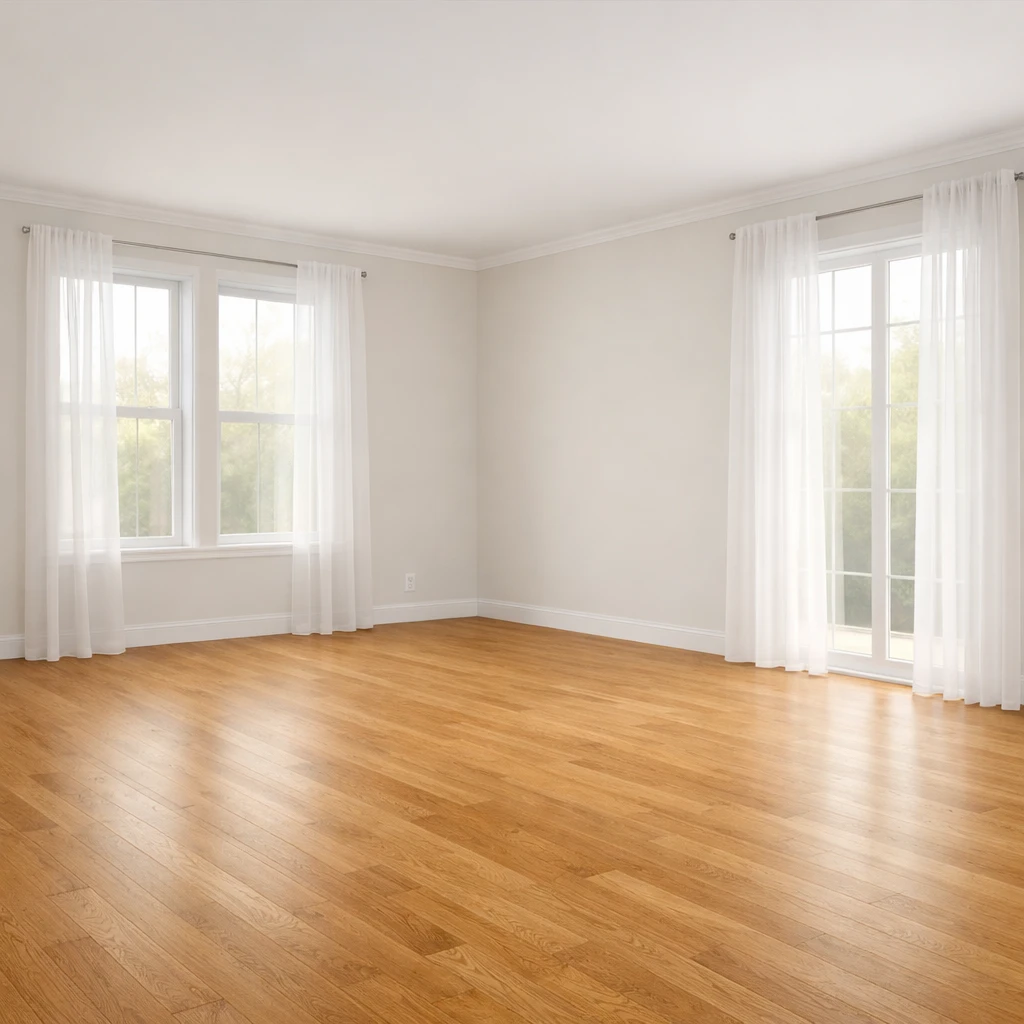
Measure the placement zone accurately
Record the wall length, depth available in the room, doorway widths, and nearby clearances. Furniture selection is a measurement problem before it is a style problem.
Define the piece's job
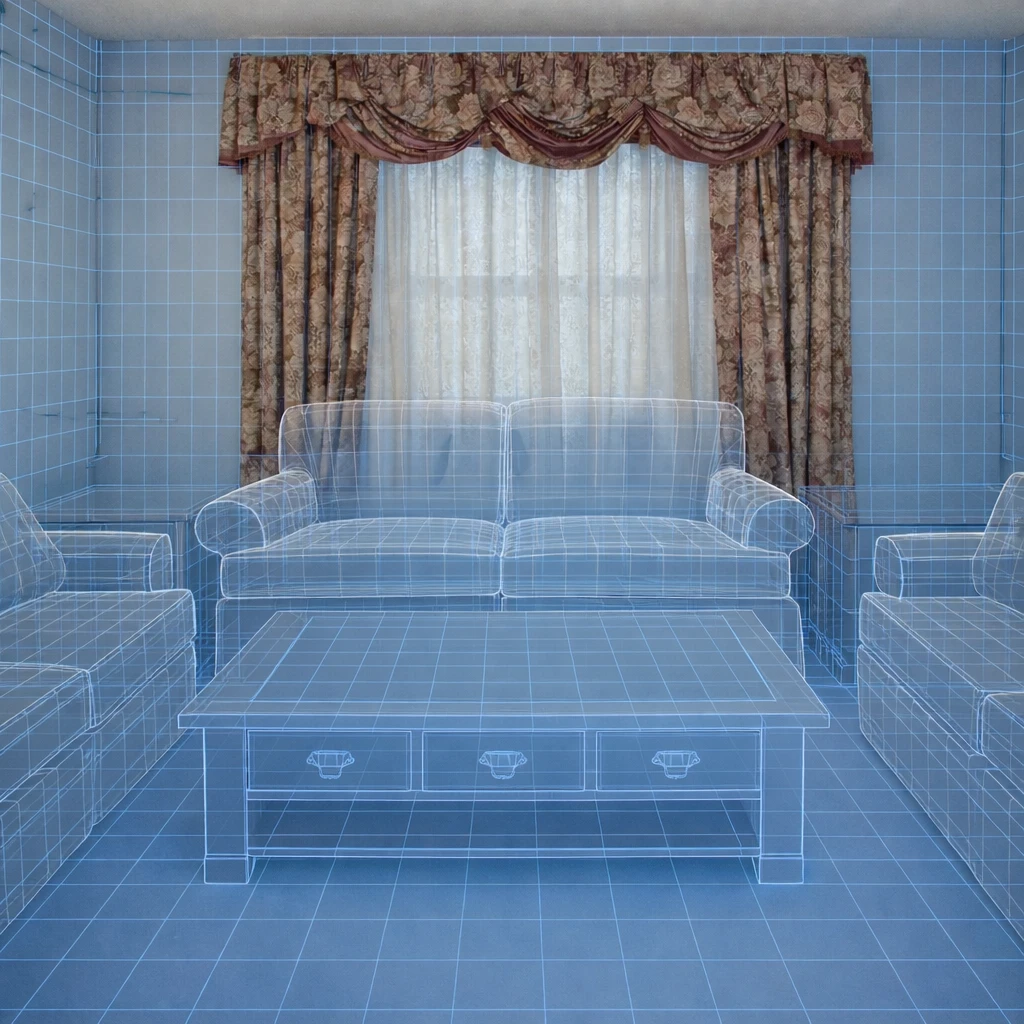
A sofa for upright conversation, a sectional for lounging, or a table for daily meals all require different proportions, seat depths, and durability levels.
Choose size before finish
Eliminate pieces that are too long, too deep, or too tall for the room. The right silhouette in the wrong size still fails.
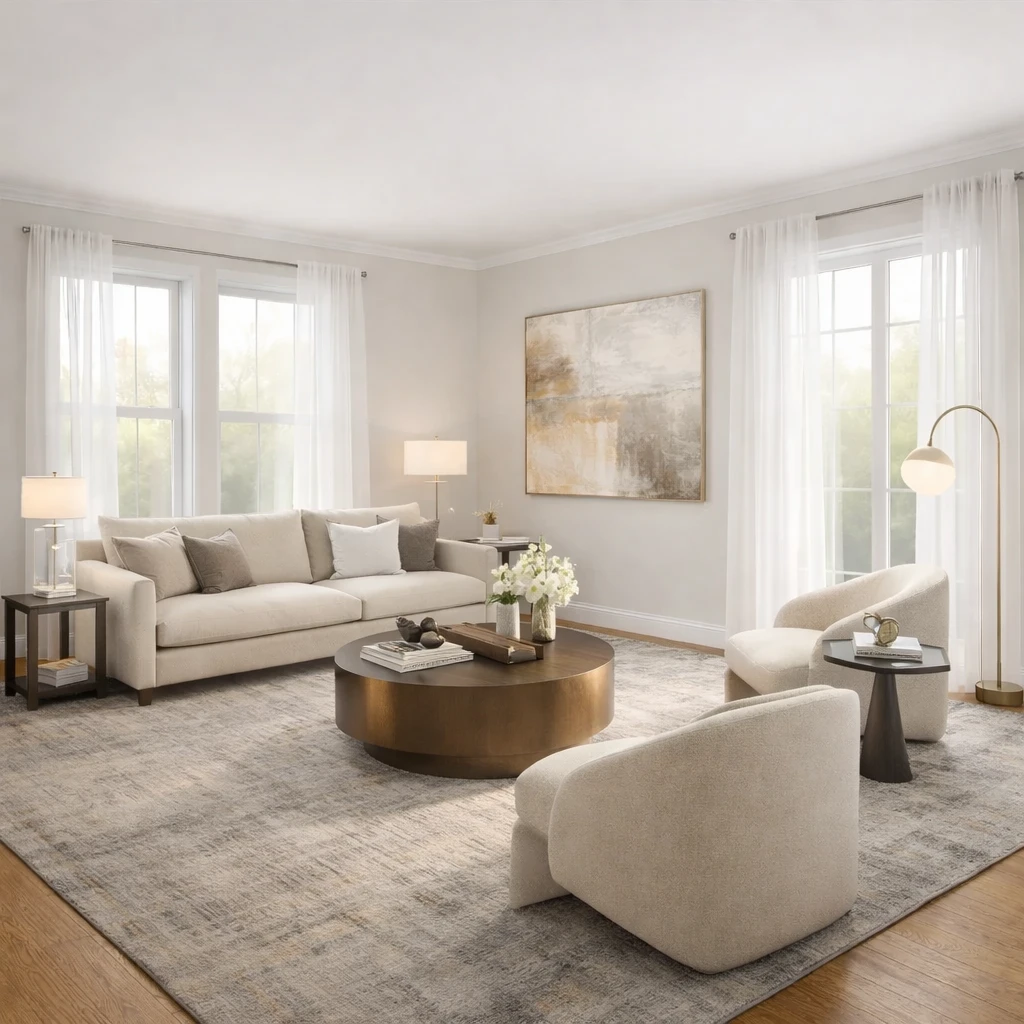
Check human clearances around the piece
Keep enough space for door swings, walking paths, dining chair pull-out, or bedside access. Rooms feel expensive when movement is effortless, not when every inch is occupied.
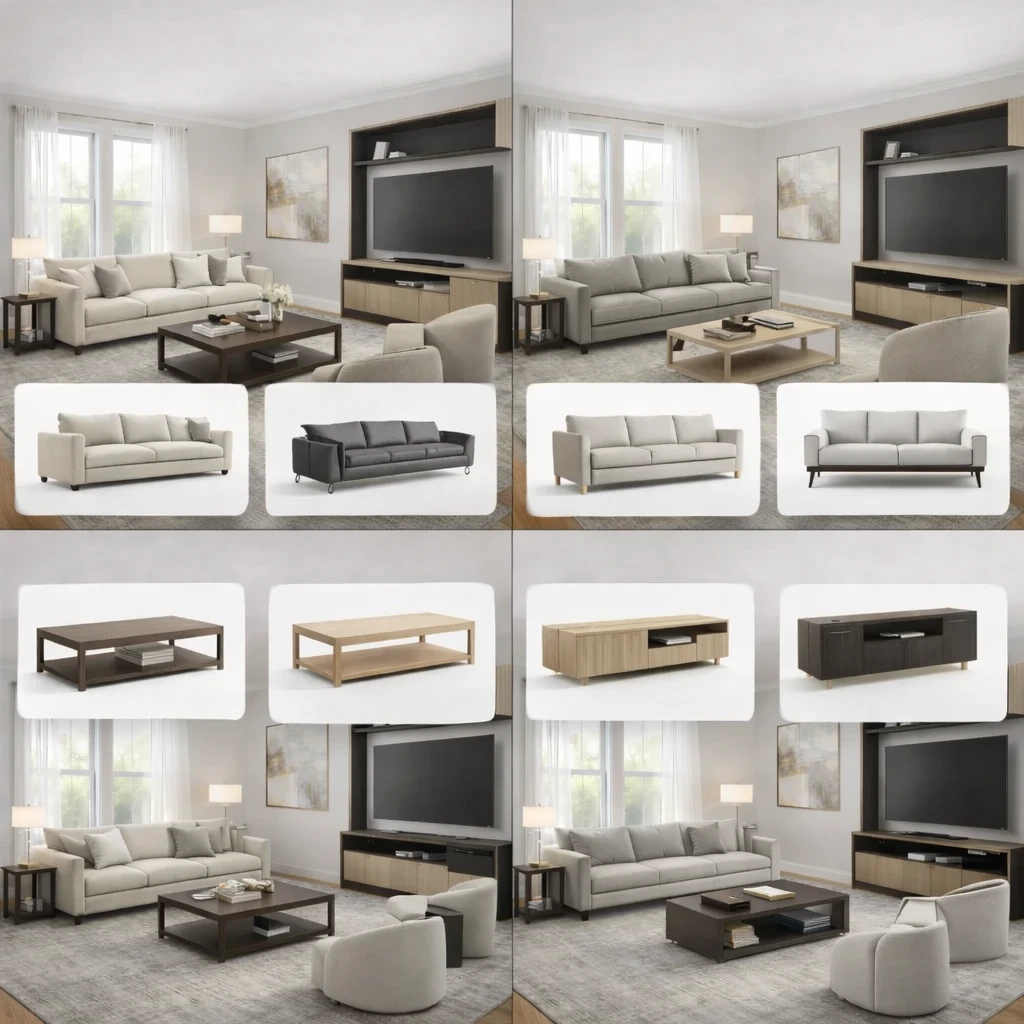
Compare materials by use case
Evaluate upholstery durability, wood construction, and maintenance needs against pets, children, sunlight, and frequency of use rather than appearance alone.
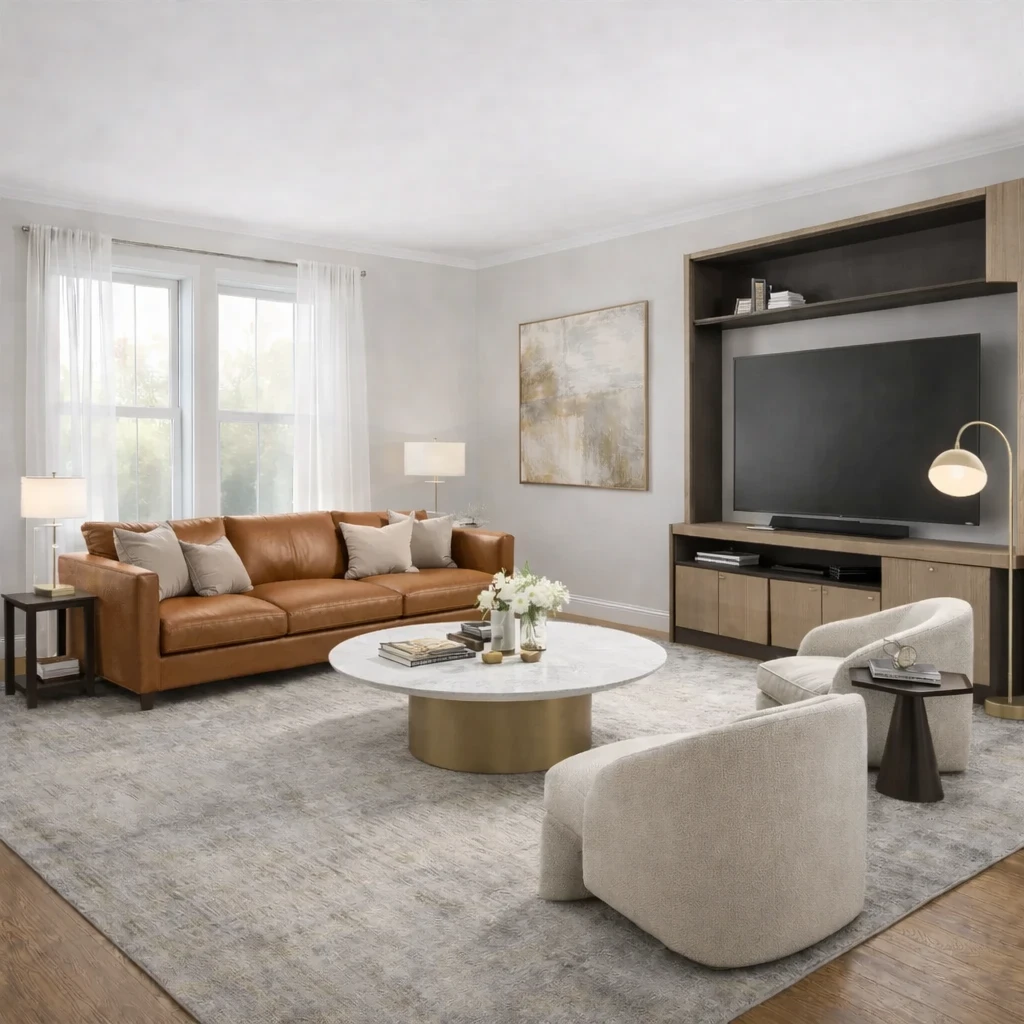
Buy in a sequence that preserves flexibility
Anchor the room with the largest and most demanding piece first, then select smaller supporting items around it. This reduces mismatch and return risk.
Execution checklist
- 1Upload one clear, wide-angle photo of your room.
- 2Pick a room type, style, color palette, and budget range.
- 3Generate multiple design directions in under a minute.
- 4Browse shoppable products matched to each design.
- 5Swap any product for an alternative by price or style.
- 6Save your favorite direction and share it with others.
Avoid these mistakes
- !Buying furniture without seeing it in your room context first.
- !Choosing a single design direction without comparing alternatives.
- !Ignoring retailer delivery timelines and return policies.
- !Forgetting to check if products ship to your country or region.
- !Purchasing statement pieces before confirming they fit the layout.
Compare Sizes, Materials, and Price Tiers
Use in-context checks to reduce return risk by verifying dimension, material, and delivery fit before purchase.
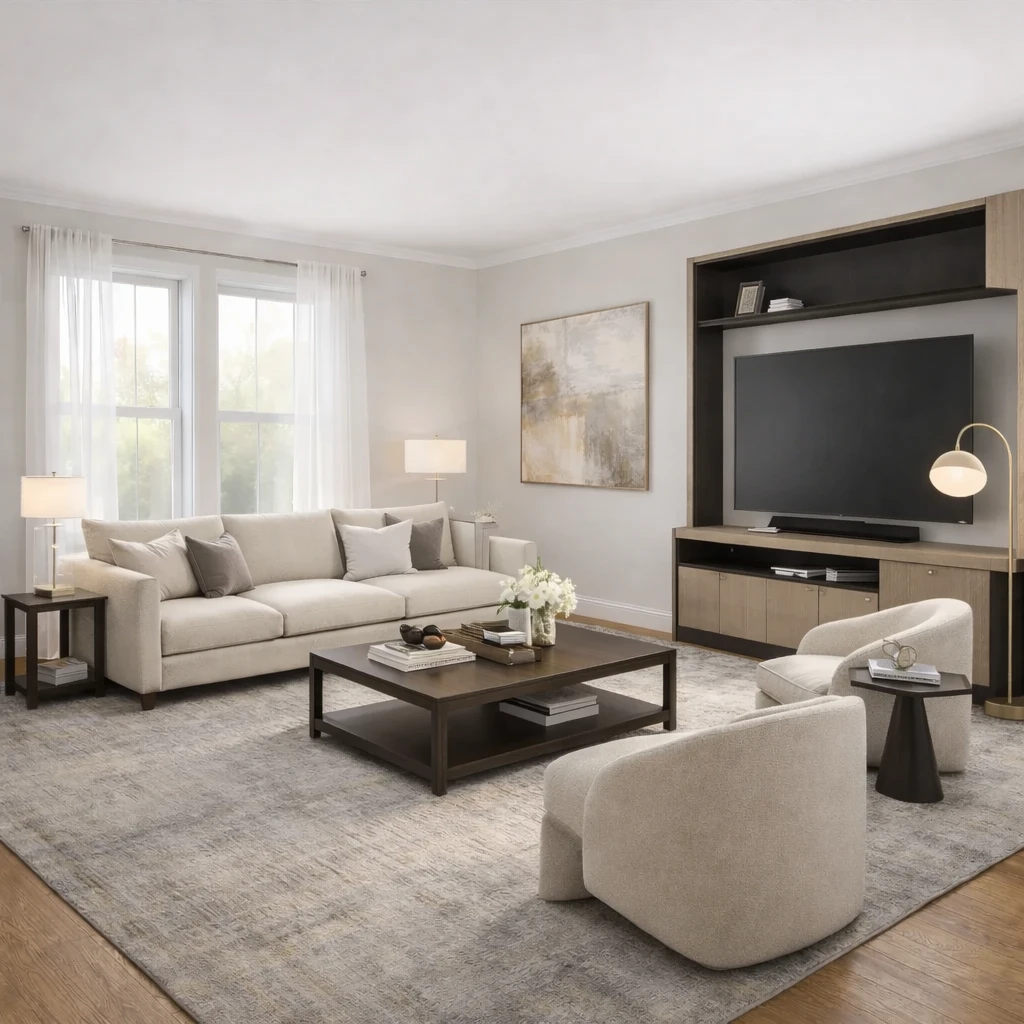
Stage 1
Product matching from your room context
Recommendations are generated from the actual room concept—not generic mood boards. Each product suggestion is sized and positioned to work with your specific room proportions, lighting conditions, and existing architectural features.
Stage 2
Compare alternatives by style, price, and availability
Review multiple matched options across different retailers (Amazon, IKEA, eBay, and regional stores) and choose the price-quality tradeoff that fits your budget. Compare delivery times, return policies, and customer reviews alongside visual fit.
Stage 3
Apply swaps before purchase
Preview replacements directly in the visual concept—no need to order, return, and reorder to find what works. Test whether a less expensive alternative achieves similar visual impact before committing your budget.
Furniture Fit and Return-Risk References
These resources support better size and quality decisions when you are comparing similar products across retailers.
IKEA
Room Planners and Fit Tools
Planning tools for testing scale, storage capacity, and room fit.
Consumer Reports
Home and Furniture Buying Guidance
Independent product guidance useful for quality and durability checks.
Architectural Digest
Design Trends and Product Context
Editorial context for how materials and styles are being applied.
Houzz
Practical Room Planning Guides
Applied planning examples for furniture spacing and visual balance.
National Association of Realtors
Profile of Home Staging
Data on staging workflows used by agents and sellers.
Zillow Research
Housing Market Reports
Market-level context that influences renovation and staging decisions.
Furniture Fit FAQs
Answers focused on dimensions, clearance, delivery constraints, and avoiding costly fit mistakes.
What Innie can do for see furniture in your room
Related guides
Back to main siteHow to Design a Garage Workshop That Stays Organized
Protect car access, bench zones, storage, power, and lighting before the room fills up.
How to Furnish a Studio Apartment Without Overcrowding
Use zoning, scale, and multi-use furniture to keep one-room living from feeling improvised.
How to Decorate a Rental Apartment
Focus on lighting, layout, storage, and reversible upgrades that respect the lease.
How to Design a Home Gym That You Actually Use
Design around movement, clearances, flooring, and airflow so the room actually gets used.
How to Furnish a New Apartment Fast Without Buying Wrong
Buy the essentials in the right order so the apartment feels complete without panic spending.
How to Refresh Your Home Before Selling
Focus on the fixes that improve listing photos, first impressions, and buyer confidence fastest.
How to Stage a Home for Sale
Work room by room to improve listing photos, buyer comprehension, and perceived value.
How to Stage an Empty Room for Better Buyer Impressions
Give vacant rooms scale, purpose, and clearer buyer context before the listing goes live.
Ready to try see furniture in your room on your space?
A practical guide to using furniture visualization for room fit, clearance checks, silhouette comparison, and material decisions before purchase.
Free to start. No credit card required.